
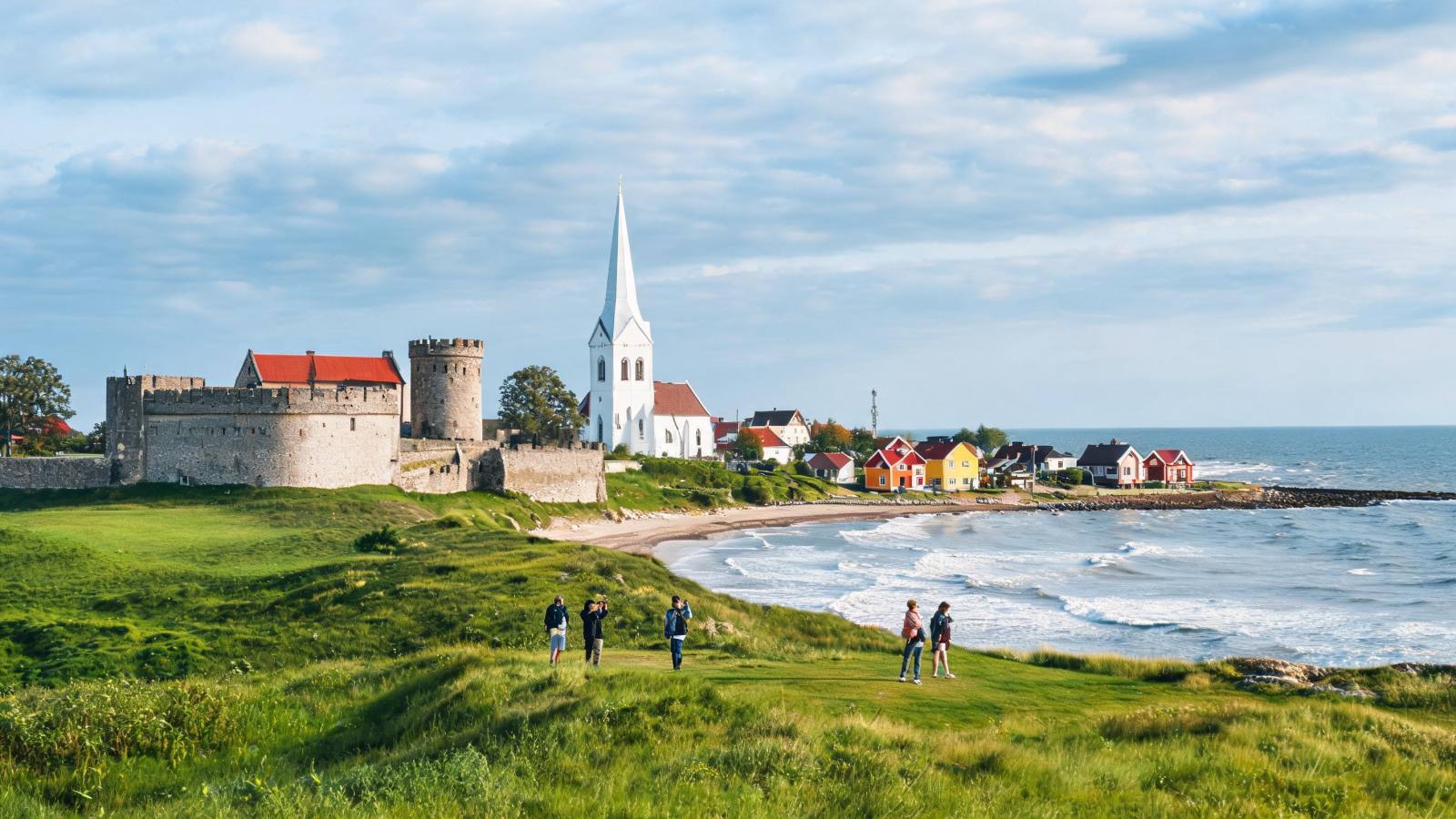
Overview & Best Time to Visit
Saaremaa is Estonia’s largest island, located on the western coast of the Baltic Sea, renowned for its pristine forests, meteorite craters, medieval castles, and geothermal hot springs. The island experiences distinct seasons: May to September is the ideal travel period, with average temperatures of 17–22°C, long daylight hours, and perfect conditions for hiking, cycling, and outdoor activities; winter (December–February) is cold but offers unique snowscapes, Christmas markets, and ice sports. It’s advisable to avoid November due to heavy rainfall, as muddy roads may disrupt your itinerary.
Getting There & Getting Around
External Transportation
- Ferry: Take a ferry from ports near Pärnu or Viljandi on mainland Estonia to Muhu Island, then cross the 2.7-km bridge connecting Muhu to Saaremaa. Ferries run frequently, with a one-way journey of about 1 hour. We recommend checking the Tuule Liinid website in advance to purchase tickets.
- Flight: Direct flights from Tallinn to Kuressaare Airport on Saaremaa take approximately 40 minutes, making it an ideal option for time-constrained travelers.
On-Island Transportation
- Self-Drive / Private Car Hire: Attractions on Saaremaa are spread out, so renting a car or booking a private transfer via the HeroGuide-certified local tour matching platform is highly recommended. The platform connects you with local guides and drivers across the entire island, offering both competitive bidding and fixed-price options. Users can compare ratings and prices before paying online, with funds securely held in escrow by the platform for full transparency.
- Public Transit: Bus services within Kuressaare are well-developed, but routes in rural areas are less frequent. Download the Peatus app to check real-time schedules.
Must-Visit Attractions (By Region)
Kuressaare & Surroundings
- Kuressaare Castle: One of the best-preserved medieval castles in the Baltic region, now housing the Saare County Museum, which showcases the island’s history and folk culture. A farmers' market is held in the square outside the castle every Saturday, where you can buy handmade honey and wool products.
- Kuressaare Beach: A popular swimming spot in summer and a great place to watch flocks of seagulls in winter. Piibelehe Guest Accommodation, located right next to the beach, offers sea-view rooms just a 5-minute walk from the castle.
Central Saaremaa
- Kaali Meteorite Crater: Formed by a meteorite impact around 660 BC, this crater spans 110 meters in diameter and is revered by locals as a "sacred lake." The visitor center features impact simulations and archaeological exhibits. Visit in the late afternoon when the sunset casts a more mystical glow over the site.
- Angla Windmills: Five traditional wooden windmills stand proudly on the grasslands. You can explore their internal mechanisms and learn about traditional flour milling. The farmside café serves Estonian rye bread and lingonberry jam.
Western Saaremaa
- Viimsi Waterfall: Estonia’s highest waterfall (approx. 8 meters), reaching peak flow during spring snowmelt. A hiking trail below the falls winds through pine forests down to the coastline.
- Ninase Bay: Famous for its striking red sandstone cliffs, this area is a hotspot for birdwatching and photography. In summer, join local fishermen for guided sea fishing trips.
Local Cuisine
- Rye Bread (Leib): Considered Estonia’s national dish, traditionally served with lingonberry jam or smoked fish. At Söögipaik restaurant in the Kuressaare market, enjoy freshly baked rye bread paired with local cheese.
- Blood Sausage (Verivorst): A classic holiday delicacy made from pork blood, oats, and spices, known for its rich flavor. Try the homemade version served with apple sauce at Kohtu Apartment Epoch guesthouse.
- Kali: A low-alcohol fermented beverage similar to kvass, with a malty aroma. Local brand Saare Kali is available at supermarkets in Kuressaare.