
One-sentence summary: Vienna is "a city you can explore while listening to music." The old town is compact, the metro is easy to use, and in 3 to 4 days you can comfortably connect Schönbrunn Palace, Hofburg, Belvedere, and a concert at the Musikverein or Staatsoper. As long as you book palace tickets in advance, buy official concert tickets, and avoid the "Mozart wig guys" hustling in the squares, independent travel here isn't difficult.
How Many Days to Stay
Vienna's inner city (District 1) has a radius of only about 1 km, and major sights are reachable on foot plus the metro. But "being able to walk it" and "enjoying it comfortably" are two different things – the real essence of this city lies in slowing down: spending an afternoon in a café or an evening at a concert requires room to breathe.
- 2 days: Enough only for the old town core plus one palace. Best for a transit stop on a multi-city European tour, but the pace is rushed.
- 3 days: The "just right" most recommended option. One day each for Schönbrunn, Hofburg, Belvedere, and the old town, plus one evening concert – unhurried and comfortable.
- 4 days: Add a day trip to the outskirts – the Wachau Valley (wine towns in the Danube valley), or even a day trip to Salzburg to see the Sound of Music filming locations.
If traveling with elderly or children, or if you want to seriously enjoy two concerts, 5 days won't be wasted. Vienna isn't a "checklist" city – it rewards staying put.
Must-See Attractions
Schönbrunn Palace – Summer Residence of the Habsburgs
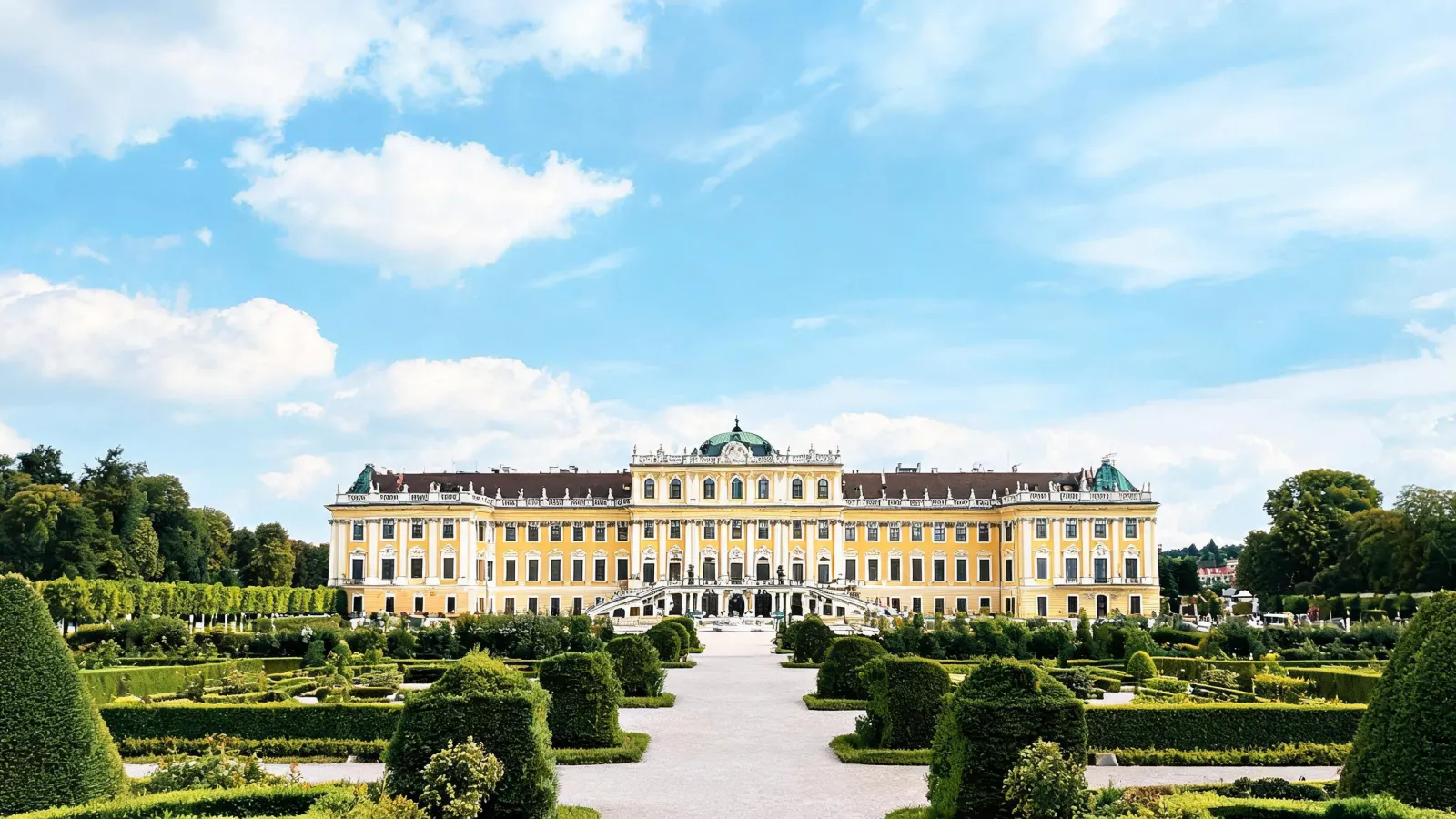
This is Vienna's top attraction, the Habsburgs' summer palace with 1,441 rooms, dozens open to the public. Empress Sisi (Elisabeth) and Emperor Franz Joseph lived here, and the 6-year-old Mozart once performed in the Hall of Mirrors for Empress Maria Theresa. The highlight isn't just the palace interior, but the Baroque gardens behind it: climb the central axis up to the Gloriette on the hill, and the whole city of Vienna spreads at your feet – the most worthwhile free view in town. Plan for half a day: use the audio guide for the palace and stroll the gardens slowly. Be sure to book a fixed entry time online in advance – during peak season, walk-up tickets often involve hours of waiting or even sell out.
Hofburg Palace & Sisi Museum
If Schönbrunn is the "summer palace," Hofburg is the "winter palace" and power center of the Habsburgs for over 600 years, and today still the office of the Austrian president. The Sisi Museum here, together with the Imperial Apartments and Silver Collection, reveals Empress Elisabeth from a mythologized legend into a real woman who resisted court life, obsessed over slimness and travel, and was ultimately assassinated – more compelling than any film. In the same area are the Spanish Riding School (with white Lipizzaner horses) and the Albertina Museum – you can group them together if interested.
Belvedere – See Klimt's The Kiss
The Upper Belvedere's masterpiece is Gustav Klimt's The Kiss, the gold-leaf-covered painting that has almost become synonymous with Vienna – the original hangs here. The same museum also houses Klimt's Judith, Egon Schiele, and other major works of the Vienna Secession. The French-style gardens between the two Baroque palaces are also very photogenic. Even if you're not an art enthusiast, standing in front of The Kiss is worth the admission.
St. Stephen's Cathedral & the Old Town, Ringstrasse
St. Stephen's Cathedral (Stephansdom) with its colorful glazed tile roof is the absolute landmark of the old town. Entry to the main nave is free. Climb the South Tower (343 steps) or take the elevator up the North Tower for a bird's-eye view of the roof pattern and the city. With the cathedral as the center, the pedestrian streets of Graben and Kärntner Straße, the Plague Column, and the historic Demel café are all within walking distance. The Ringstrasse is a grand boulevard built in the 19th century after the city walls were demolished, linking the Parliament, City Hall, State Opera, Art History Museum, and many other magnificent buildings – taking tram lines 1 or 2 around the loop is a cheap city sightseeing tour.
Vienna State Opera / Musikverein – Attend a Concert
Visiting the music capital without hearing a live performance is like not coming at all. Two classic venues: Vienna State Opera (Staatsoper), one of the world's top opera houses, with performances almost every night during the season. The cheapest standing tickets cost just a few euros (queue at the box office on the day), while seated tickets range widely; Musikverein (the Golden Hall), the stage for the Vienna Philharmonic's New Year's Concert, hosts numerous concerts year-round. Its "shoebox" acoustics are textbook-level. Both have a tradition of formal wear but it's not mandatory – neat and tidy is fine.
The outskirts like Wachau Valley and Salzburg deserve a separate day, as mentioned in the route below.
Classic Itineraries (1/2/3 Days)
The following routes are designed to "connect nearby sights and minimize backtracking." Adjust based on your energy level.
- Day 1 · Old Town & Music Night: Morning – St. Stephen's Cathedral + Graben/Kärntner Straße pedestrian streets. Lunch – Wiener Schnitzel in the old town. Afternoon – Hofburg Palace & Sisi Museum. Evening – take a tram around the Ringstrasse, then attend a concert at the State Opera or Musikverein.
- Day 2 · Schönbrunn Full Day: Morning – take metro U4 directly to Schönbrunn, arrive at your booked entry time (fewer crowds, better light). Visit the palace interior. Lunch – either at the palace restaurant or a packed lunch. Afternoon – stroll the Baroque gardens, climb the Gloriette for the view. If you have energy left, also visit the Schönbrunn Zoo (one of the world's oldest zoos, with giant pandas).
- Day 3 · Art or Outskirts – Choose One: Option A (Art) – Morning: Belvedere to see Klimt's The Kiss. Afternoon: Art History Museum or Secession Building (with the golden cabbage dome). Option B (Outskirts) – Day trip to Wachau Valley: take the train to Melk to see the abbey, then take a Danube cruise to Dürnstein, passing vineyards and castles. Or a day trip to Salzburg.
Transport, Tickets & Costs
Vienna's public transport – metro (U-Bahn, 5 lines), trams, and buses – is dense, frequent, and the backbone of independent travel.
- Airport to City: Vienna Airport (VIE) to the city center has three main options: the fastest is the CAT (City Airport Train), about 16 minutes to Wien Mitte, one-way about 14 euros (approx. 110 RMB); more economical is the S-Bahn S7, about 25 minutes, just over 4 euros (approx. 35 RMB); airport buses cost about 9 euros. Choose CAT if in a hurry, S7 for the best value.
- City Transport Tickets: Single ticket about 2.4 euros; 24/48/72-hour passes about 8/14/17 euros (approx. 60/110/135 RMB). You'll likely use transport daily in Vienna, so a timed pass based on your stay is most cost-effective. Remember to validate your ticket at the platform validator or when purchasing – no turnstiles, but plainclothes inspectors do checks, and fines for fare evasion are steep.
- Attraction Tickets: Schönbrunn Grand Tour about 24–32 euros (approx. 190–250 RMB); Upper Belvedere about 17–19 euros; Sisi Museum combo about 18–20 euros; St. Stephen's tower climbs a few euros. The Vienna Pass includes dozens of attractions + hop-on-hop-off buses, 1/2/3 days at about 80/130/160 euros – only worth it if you're visiting paid attractions at a high pace daily; for a normal pace, buying individual tickets is cheaper.
- Concert Tickets: State Opera standing tickets start at single-digit euros; regular seated tickets often 40–150 euros; Musikverein concerts mostly in the 35–120 euro range; tourist-oriented "Mozart/Strauss" themed concerts about 40–70 euros. These are estimates only – please check official sales channels for current prices.
Cafés & Cuisine
Vienna's café culture is a UNESCO intangible cultural heritage. It sells not just coffee, but the right to sit at a marble table and read the paper all afternoon – and the waiter won't rush you.
- Sachertorte: A dense dark chocolate cake with apricot jam filling, served with a dollop of unsweetened whipped cream. The rivalry for the original is between the Café Sacher at the Sacher Hotel and Demel – each has its fans. Pair it with a Melange (Viennese milk coffee) for the classic experience.
- Wiener Schnitzel: Traditionally made with veal, pounded thin, breaded, and fried to a golden, plate-sized thinness. Squeeze lemon on it. Figlmüller is the most famous old restaurant (huge portions), but locals also frequent small corner pubs.
- Others: Apple strudel (Apfelstrudel), emperor's pancake (Kaiserschmarrn), international snacks at Naschmarkt, and late-night hot dogs from Viennese sausage stands (Würstelstand) – all worth trying.
Tips to Avoid Pitfalls
- Visa: Austria is in the Schengen Area. Chinese passport holders need to apply for a Schengen visa (tourist type) in advance, with complete flight, hotel, itinerary, insurance, and financial proof. Allow ample processing time – do not cut it close.
- Concert Ticket Scalpers: Street vendors and attraction entrances dressed in Rococo costumes with Mozart wigs selling tickets are often overpriced, low-quality tourist shows – not the official ensembles of the Musikverein or State Opera. Only use official websites or theatre box offices. For State Opera standing tickets, queue at the on-site box office on the day – don't scan codes and pay on the street.
- Palace Reservations Required: Popular palaces like Schönbrunn and Hofburg use timed entry with limited capacity. During peak season, walk-up tickets easily sell out or require hours of waiting. Be sure to book a fixed entry time in advance on the official website, and arrive during your time slot.
- Other: Validate your transport tickets; restaurants in the old town and near attractions tend to be pricier – walk a bit further out; Danube cruises and suburban trains have seasonal schedules with reduced service in low season – check real-time timetables before you go.
Should You Hire a Chinese-speaking Local Guide / Driver?
Independent travel within Vienna is actually quite manageable: the metro is easy to understand, sights are concentrated, and English is widely spoken. You can easily handle pure city sightseeing on your own – no need to spend extra on "wandering around the city." However, there are situations where a local Chinese-speaking guide or driver-chaperon can really save you hassle:
- Concert & Palace "Ticket Booking + Commentary": Good seats and popular performances at the Musikverein and State Opera often sell out far in advance. The stories behind Empress Sisi, Klimt, and the Habsburg dynasty are just "looking at houses and paintings" without explanation. A well-connected Chinese guide can help you secure suitable performances and bring the history to life.
- Outskirts Day Trips: Day trips to the Wachau Valley or Salzburg involve train + boat transfers and tight timing. A Chinese-speaking private car can seamlessly link Melk Abbey, wine towns, and castles along the way – much easier than figuring out schedules yourself.
- Traveling with Elderly/Kids or Short on Time: Letting a local handle luggage, navigation, and restaurant queues can make a huge difference in the quality of your trip.
On the HeroGuide platform, you can post a request like "Vienna X days, want concerts + Schönbrunn + outskirts," and local Chinese-speaking guides, drivers, and interpreter-assistants can "bid" with offers. You compare qualifications, reviews, and prices before confirming the booking. The other party won't see your contact info until a deal is made – relatively transparent and under your control. Decide whether and for how many days to hire someone based on the scenarios above – there's no need for full-time assistance.
Frequently Asked Questions
Q: Do I have to wear formal attire to concerts in Vienna? A: The Musikverein and State Opera have a tradition of formal wear, but it's not mandatory. Neat, smart casual wear (a shirt, dress) is fine – no need to buy something special. Tourist-oriented themed concerts are even more casual.
Q: If I can only visit one of Schönbrunn or Belvedere, which should I choose? A: It depends on your interest. If you love imperial history, want a panoramic city view, or are traveling with children (zoo on site), choose Schönbrunn. If you're coming for Klimt's The Kiss and Vienna Secession art, choose Belvedere. If time allows, visit both – they cover different themes and don't overlap.
Q: Can I do a day trip from Vienna to Salzburg? A: Yes. The high-speed ÖBB Railjet takes about 2.5 hours each way. An early departure and late return give you enough time to see Mirabell Gardens, the old town, and Sound of Music locations – but it's a packed day. If you want to include surrounding areas like the Salzkammergut or Hallstatt, plan to stay overnight in Salzburg.