
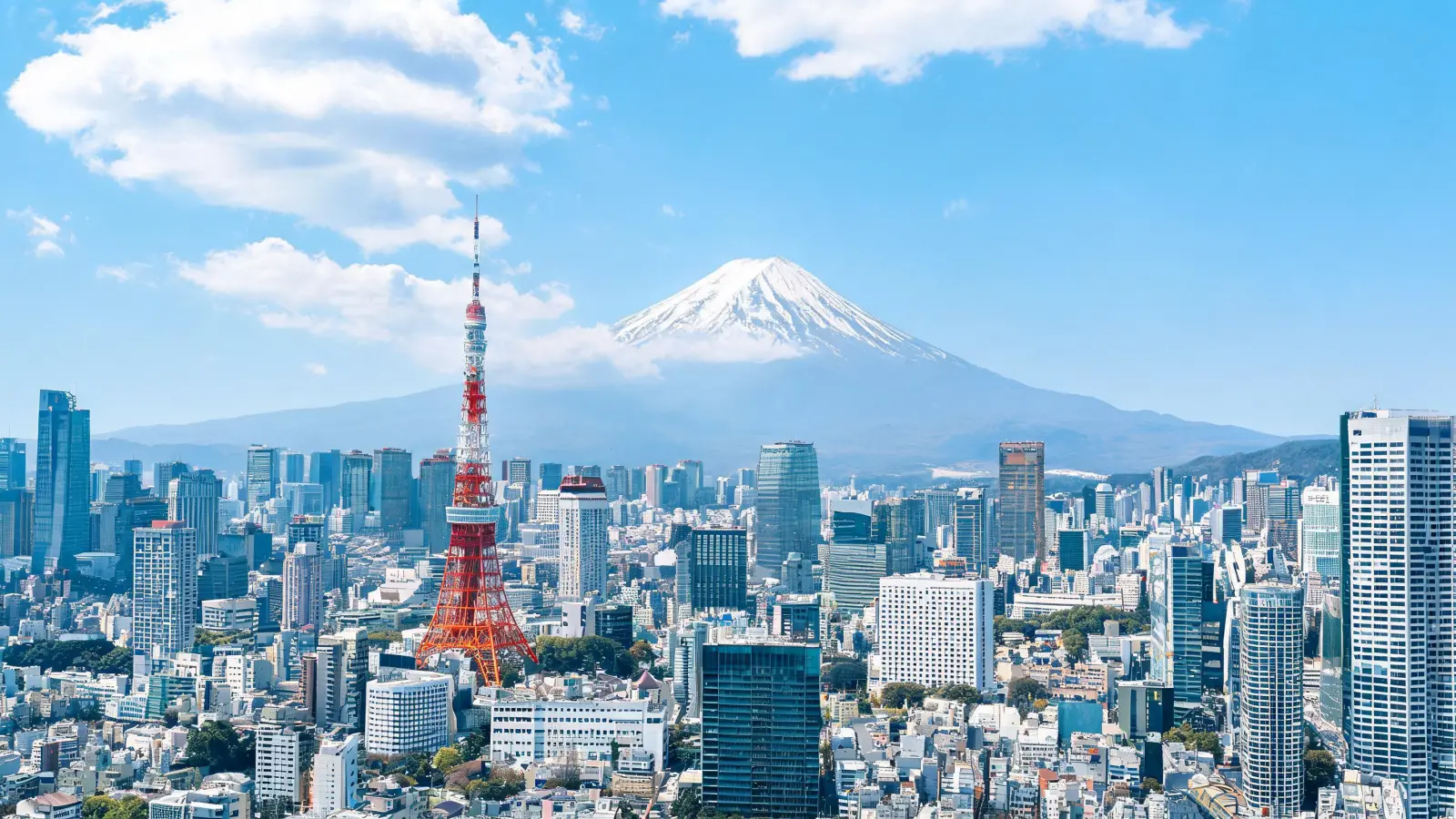
One-sentence summary: 4 to 6 days is ideal for Tokyo — 3 days to cover the core city, plus 2 to 3 more if you want to add Kamakura, Lake Kawaguchi for Mount Fuji, or Nikko. Japan is a developed country with excellent safety and top-notch transportation. The real challenge isn't "danger" but "information overload" — complex transfers, popular attractions require advance online booking, and English is limited outside major hubs. Estimated per-person cost (excluding international flights) for 4–5 days: budget around ¥12,000–18,000/day (accommodation + meals + transport + tickets, roughly 600–900 RMB), comfortable ¥25,000+/day is common. Exchange rates and ticket prices are subject to official and on-site updates.
How many days to stay? (1/3/5/7 days — which to choose)
Tokyo isn't a city you just "check off a few spots and leave." Its charm lies in vastly different neighborhood vibes: old Tokyo in Asakusa, elegance in Ginza, the buzz of Shibuya and Shinjuku, the waterfront at Odaiba, and the mountains and sea in the suburbs. How many days you need depends on whether you want to venture outside central Tokyo.
- 1 day (transit/stopover): Only enough for one main route. Choose either "Asakusa Temple—Ueno" or "Shibuya—Shinjuku" — don't try to cross the city east to west.
- 3 days (classic short trip): Just enough to cover central Tokyo highlights. Day 1: old east side (Asakusa, Ueno, Skytree), Day 2: west side trend spots (Shibuya, Harajuku, Shinjuku), Day 3: central (Ginza, Imperial Palace Outer Garden) or Odaiba.
- 5 days (most recommended): 3 days in central Tokyo + 2 days in the suburbs. Enough to add Kamakura or Lake Kawaguchi for Mt. Fuji at a relaxed pace — ideal for most people.
- 7 days (in-depth/with elderly or kids): Slow-paced central Tokyo + one day each for Kamakura, Lake Kawaguchi (or Hakone), and Nikko, plus time for supermarket/drugstore shopping and a hot spring. Strongly recommended for families with seniors or children — limit daily sights to 2–3.
Must-visit attractions (by area, with ticket prices and suggested time)
Listed by geographic area so you can explore "one zone at a time" without zigzagging across the map. Ticket prices are approximate; confirm at the venue or official site.
Asakusa · Ueno (Old Tokyo & Museum District)
- Senso-ji Temple & Kaminarimon Gate: Tokyo's oldest temple. Main hall is free; Nakamise shopping street is great for traditional souvenirs and ningyo-yaki. Allow 1.5–2 hours — go early morning for fewer crowds and better photos.
- Tokyo Skytree: 634m landmark. Observation deck tickets ¥2,100–3,500 (by floor level; online booking is smoother). Solamachi shopping complex at the base. Allow 2 hours.
- Ueno Park & Museum Complex: Tokyo National Museum, National Museum of Nature and Science — tickets mostly ¥600–1,000; Ueno Zoo ~¥600. Top cherry blossom spot in season. Allow half a day.
Shibuya · Harajuku · Shinjuku (Trends & Urban Energy)
- Shibuya Crossing & Hachiko Statue: Free. One of the world's busiest intersections. For a high-angle view, head to SHIBUYA SKY rooftop observatory (tickets ~¥2,200–3,000). Sunset slots are most popular — book in advance.
- Harajuku Takeshita Street & Omotesando: The former for teen fashion and sweets, the latter for high-end brands and architecture, both free to explore. Meiji Jingu is right next door, free, a forest in the city. Allow 1 hour.
- Shinjuku: Visit the free Tokyo Metropolitan Government Building Observatory (~202m, ¥0) during the day; explore Kabukicho and Omoide Yokocho (memory lane) for izakaya alleys at night. Shinjuku Gyoen garden tickets ~¥500, beautiful in spring and autumn.
Ginza · Imperial Palace · Odaiba (Elegance & Waterfront)
- Ginza: High-end shopping and century-old stores. Main street becomes pedestrian-only on weekend afternoons. No admission fee — ideal for a leisurely stroll and afternoon tea.
- Imperial Palace Outer Garden & Nijubashi Bridge: Free. East Garden is open for walks. Allow 1 hour; combines well with Ginza.
- Odaiba: Waterfront entertainment and shopping area, replica Statue of Liberty, teamLab Planets immersive art museum (in Toyosu, tickets ~¥3,800, requires online timed reservation). Great for families; allow half to one day.
Suburbs (Sea, Mountains, Mount Fuji)
- Kamakura: ~1 hour from Tokyo. Great Buddha, Hase-dera Temple, Enoden train line along the coast. Half to full day. Artsy and relaxed — perfect for a change of scenery without going too far.
- Lake Kawaguchi · Mount Fuji: On clear days you can see the full Fuji-san. Bus or train transfer takes ~2–2.5 hours. Dedicate a full day; weather is the biggest variable — winter/spring offer higher chances of a snow-capped peak.
- Nikko: Toshogu Shrine (UNESCO), Kegon Falls, Lake Chuzenji. ~2 hours by train. Spectacular autumn leaves; plan a full day.
- Yokohama: ~30–40 minutes from Tokyo. Chinatown, Red Brick Warehouse, harbor夜景. Good for a half-day if you're tired of central Tokyo.
Classic itineraries (grab and go)
The four routes below are designed by area for minimal back-and-forth across the city. Adjust based on your energy.
- 1-day highlights: Asakusa Temple (morning) → Skytree → Ueno Park → evening at Ginza/Tokyo Station night view. A single east-side route with almost no detours.
- 3-day classic: D1: Asakusa—Ueno—Skytree (old Tokyo); D2: Meiji Jingu—Harajuku—Shibuya—Shinjuku night views (trendy); D3: Imperial Palace—Ginza—Odaiba (elegance & waterfront).
- 5-day comfortable: Same first 3 days as above → D4: Kamakura day trip (Great Buddha + coast) → D5: Lake Kawaguchi for Mt. Fuji (best on a clear day; check weather before going).
- 7-day in-depth: Slow-paced 3 days in central Tokyo → D4: Lake Kawaguchi → D5: Nikko World Heritage → D6: Yokohama or Hakone hot spring → D7: last-minute drugstore/supermarket shopping + airport.
Transportation, tickets & budget
Tokyo's rail network consists of two main systems: "Tokyo Metro/Toei Subway" and "JR," plus private lines — it can be overwhelming at first. Just keep a few principles in mind.
- IC card (Suica/PASMO): One card covers subway, JR, buses, and convenience stores. Due to chip shortages, regular physical Suica cards were temporarily suspended, but the visitor-oriented Welcome Suica (valid 1 month, non-refundable) is available at Narita/Haneda airports and some stations; iPhone users can also add Suica directly to Wallet and charge it — no queuing needed. Check JR East's latest announcements for current availability.
- Airport to city: Narita: N'EX or Keisei Skyliner (~¥2,000–3,000, 40–60 min). Haneda is closer: Keikyu or monorail ~¥500–700, ~30 min. With heavy luggage or seniors, consider airport limousine bus or a private transfer direct to your hotel for less hassle.
- JR Pass / Subway Pass: If staying mostly in central Tokyo, it's usually more cost-effective to tap your IC card per ride; you likely don't need a national JR Pass. For frequent suburban trips, consider Tokyo Metro 24/48/72-hour tickets or specific suburban round-trip passes.
- Typical ticket prices: Most temples and shrines are free. Observation decks ¥2,000–3,500, museums ¥600–1,000, immersive art museums ~¥3,500. For popular spots (SHIBUYA SKY, teamLab, Skytree sunset slots), strongly recommend booking online in advance with a specific time slot.
Budget: Budget ~¥12,000–18,000/day, comfortable ¥25,000+/day (both exclude international flights). Accommodation is the biggest variable: business hotel for a single room ¥8,000–15,000 off-peak, double during peak/cherry blossom season. CNY conversions above are approximate; use the day's actual exchange rate.
Food & shopping
Tokyo has the highest density of Michelin-starred restaurants in the world, but what often impresses most are the affordable everyday spots.
- Must-try: Sushi (seafood bowl breakfast at Tsukiji Outer Market), ramen (tonkotsu/shoyu styles), tempura, unagi (eel), wagyu yakiniku (grilled beef), late-night izakaya skewers. Convenience store oden, onigiri, and pudding are surprisingly good.
- Reservation reminder: Popular sushi, unagi, and Michelin-starred small restaurants often require advance bookings, some only by phone or specific platforms — this is a common hurdle if you don't speak Japanese, and a reason many hire Chinese-speaking local guides to help with reservations.
- Shopping: Drugstores (plenty in Shinjuku, Ueno), electronics (Akihabara, Yodobashi), street fashion (Shibuya, Harajuku), department store luxury (Ginza). Most tourist-oriented stores offer tax-free shopping with a passport. Note that tax-free items have "on-the-spot packaging restrictions" and exit inspection; follow store instructions.
Pitfalls & tips
- Visa: Mainland Chinese passport holders need a tourist visa in advance — give yourself enough processing time. Check passport validity and visa page before departure.
- Language: Japanese is primary. English signs exist, but spoken English is limited; Chinese even less. Use translation apps and picture menus for subways and restaurants.
- Cash & IC card: Credit cards are widely accepted in big cities, but small shops, shrines, and some suburban areas are cash-only — always carry some yen. Preload your IC card to avoid repeated queuing.
- Etiquette: No phone calls on trains; stand on the left on escalators (Kanto custom); take your trash with you; wash before entering hot springs; remove shoes before entering some temples and traditional rooms.
- Queues & reservations: Observation decks, immersive art museums, popular restaurants, and suburban buses may require reservations or long waits — especially in peak season. Don't overpack your itinerary.
- Weather & season: Cherry blossom (late March–early April) and autumn leaves (November) are peak periods with high prices and crowds. Summer is hot and humid with rainy season (June–July); chances of seeing Mt. Fuji are higher in winter/spring.
Should you hire a Chinese-speaking guide/driver?
Tokyo's public transport is extremely efficient. For solo travelers, young people, or simple itineraries, going DIY is totally fine. However, in the following situations, a reliable Chinese-speaking guide or private driver can significantly improve your experience:
- Traveling with elderly or kids: Avoid dragging luggage through crowded transfers, easily find restrooms and rest stops. Door-to-door service saves tons of energy.
- Suburban day trips (Kawaguchi/Nikko/Kamakura): Public transport to these spots has limited frequencies and multiple transfers. A private car gives you flexibility to hit multiple spots in one day and adapt to weather (e.g., adjusting Mt. Fuji viewpoints based on visibility).
- Language barrier and wanting to eat at good restaurants: A local Chinese-speaking guide can help with reservations, ordering, and asking for directions, freeing up your time from researching routes and transfers.
How to find a reliable one: Check credentials and real reviews, not just the price. Ask the provider to specify exactly what's included — fuel, highway tolls, parking fees, attraction tickets, guide's meals, and whether it's charged by full day or by distance. Confirm the itinerary and meeting point in writing. Use a platform that processes payment in full, avoid private transfers, and keep receipts.
On 地接侠, you can post your trip needs (destination, dates, number of people, whether you need a local guide or private transfer/airport pickup, budget) and let local Chinese-speaking guides and drivers bid for your job. You'll receive multiple quotes to compare qualifications, real reviews, and prices — fairer. Contact info is masked until you decide, offering more security. Whether to book and whom to choose is entirely up to you.
Frequently Asked Questions (FAQ)
Q: First time in Tokyo, how many days are best?
A: Around 5 days is recommended — 3 days for central Tokyo highlights + 2 days in the suburbs (Kamakura or Lake Kawaguchi for Mt. Fuji), with a relaxed pace. If only staying in central, you can reduce to 3 days. If traveling with elderly/kids or adding Nikko/Hakone, go for 7 days and keep daily sights to 2–3.
Q: How do I get a transport IC card? Do I need a JR Pass?
A: Central Tokyo runs on subway and JR. Get one IC card (Welcome Suica or Suica on your phone) to tap through all transport and convenience stores — easiest. If staying mainly in central Tokyo, you usually don't need a national JR Pass; pay per ride with IC is more cost-effective. Consider subway passes or specific suburban packages only if making frequent suburban trips. Availability subject to latest official announcements.
Q: Can I definitely see Mount Fuji?
A: No guarantee. In the Kawaguchi area, you can see the full mountain on clear days, but it's highly dependent on clouds and fog. Winter and spring offer higher chances of clear skies. Plan a full day with flexibility, check weather before you go; for maximum adaptability, a private driver can adjust the route and viewpoints based on real-time visibility.