
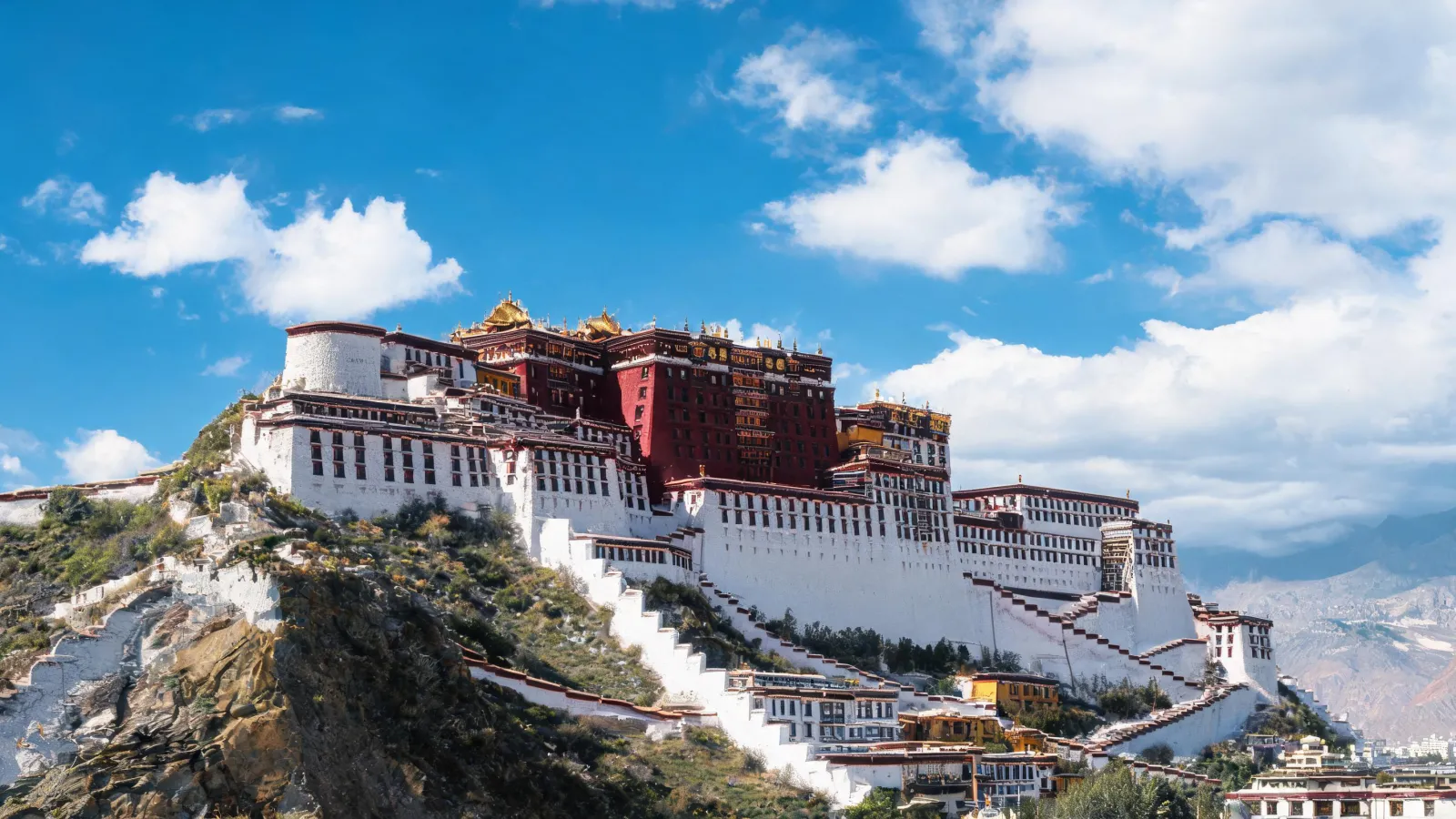
One-sentence conclusion: When traveling to Tibet, what to see and where to stay are not the top priorities—adapting to the high altitude and preventing altitude sickness is. Lhasa is at an elevation of about 3,650 meters. For the first 1-2 days after arrival, be sure to slow down, avoid strenuous activity, and refrain from heavy drinking or showering, allowing your body to gradually acclimate. Plan your itinerary as "low first, then high, step by step" (start with Lhasa → Nyingchi as a buffer, then visit high-altitude spots like Namtso Lake and Yamdrok Lake after a few days of adaptation). Once you get past altitude sickness, Tibet becomes truly enjoyable.
How many days to stay & how to adapt to the altitude
Tibet is vast with long distances between attractions—often 300–500 kilometers of winding mountain roads—so don't pack your itinerary too tight. A general recommendation is at least 6–8 days: spend the first two days after arriving in Lhasa doing low-intensity city activities (walking around Potala Palace Square and Barkhor Street), then from day 3 onward visit surrounding areas and high-altitude lakes. If you only have 4 days, stick to Lhasa and its suburbs; don't force a trip to Namtso Lake.
Key principles for altitude adaptation: Slow down on the first day—walk slowly, move slowly, rest often, and avoid running or climbing stairs with heavy loads; drink plenty of water, limit alcohol, no smoking, and avoid overeating; try not to shower in the first two days, or only take a quick warm rinse, to prevent catching a cold (in high altitude, a common cold can trigger severe pulmonary edema). Poor sleep, mild headaches, and shortness of breath are common initial symptoms; most people feel better within 2–3 days. The smartest approach is "progressive adaptation": first fly to Nyingchi (about 2,900–3,100 meters) for a night or two, then return to Lhasa and head to Namtso Lake—your body will feel much more comfortable.
Must-see attractions
Potala Palace (advance real-name reservation required, limited capacity, no long stays)
The soul landmark of Lhasa and a UNESCO World Heritage site. It implements daily visitor caps and real-name time-slot reservations. During peak season (May–October), tickets are extremely hard to get—be sure to book in advance through official channels and enter with your ID card (foreign tourists with passports). To protect cultural relics, visit duration is limited (you are usually required to complete the ascent and tour within a specified time and cannot linger). There are many stairs and the altitude is high, so ascend slowly with frequent breaks. Ticket prices vary by season (approx. 100–200 yuan, subject to official announcements). It is highly recommended to avoid noon and reserve a morning or late afternoon time slot.
Jokhang Temple & Barkhor Street Kora
Jokhang Temple is a sacred site for Tibetan Buddhist devotees. Ticket price is about several tens of yuan (check on-site). Pilgrims performing full-body prostrations can often be seen at its entrance. Barkhor Street, encircling Jokhang Temple, is Lhasa's most vibrant kora circuit and old town commercial area. In the evening, walk clockwise with the crowd to experience the most authentic Lhasa. Half a day is enough—ideal for a low-intensity day early in your trip.
Namtso Lake (higher altitude—note adaptation)
One of Tibet's "Three Holy Lakes," with a lake surface elevation of about 4,700 meters. It is often considered the cover image of Tibet. A round trip from Lhasa takes about a full day, crossing the Nyenchen Tanglha Pass (about 5,190 meters). Since the altitude is significantly higher than Lhasa, only go after your body has adapted. On that day, avoid strenuous activity and long stays; bring warm clothing and oxygen. The unreal blue water is worth the journey, but the risk of altitude sickness is highest—act according to your ability.
Yamdrok Lake (Yamdrok Yumtso)
Also one of the three holy lakes, about 100 km from Lhasa. After crossing the Gambala Pass, you get a panoramic view of the lake winding like a turquoise ribbon. Compared to Namtso, the distance is shorter and the altitude is slightly lower (lake surface about 4,440 meters). Suitable for a half-day to full-day trip, often combined with a route toward Shigatse.
Nyingchi (Yarlung Tsangpo Grand Canyon / Mount Namcha Barwa, spring peach blossoms)
Known as "Tibet's Jiangnan," with lower altitude and higher oxygen content—an excellent first stop for adaptation. Highlights include the world's deepest Yarlung Tsangpo Grand Canyon and the elusive Mount Namcha Barwa often hidden in clouds. Every late March to April, peach blossoms blanket Nyingchi and Bomi, making it Tibet's most famous spring scene. It's convenient to reach from Lhasa via expressway or train.
Shigatse · Tashilhunpo Monastery
Shigatse is Tibet's second-largest city. Tashilhunpo Monastery is the traditional seat of the Panchen Lamas, grand in scale with splendid golden roofs. Ticket price is about several tens of yuan (check on-site). It is often combined with Yamdrok Lake and Karola Glacier on a western route, ideal for travelers who want to go deeper.
Classic itineraries
Lhasa & Surroundings 4 Days (adaptation priority): D1 Arrive in Lhasa, check in, low-intensity stroll at Potala Palace Square and Barkhor Street; D2 Jokhang Temple, Potala Palace (climb only after one day of adaptation), Norbulingka; D3 Yamdrok Lake day trip; D4 Depending on physical condition, visit Namtso Lake or rest. This itinerary places high-altitude spots at the end, following the "low first, high later" principle.
Nyingchi Loop (buffer + highlights, 7–8 days): D1 Arrive in Lhasa by flight or train and acclimatize; D2–D3 Head to Nyingchi (Basho Lake, Yarlung Tsangpo Grand Canyon, Namcha Barwa; add peach blossoms in March–April); D4 Return to Lhasa; D5 Potala Palace + Jokhang Temple + Barkhor Street; D6 Yamdrok Lake; D7 Namtso Lake; D8 Depart. Going to lower-altitude Nyingchi first and then tackling high-altitude spots is the most comfortable arrangement for your body.
Transportation, tickets & costs
Entering Tibet & adaptation: Flying directly to Lhasa Gonggar Airport is time-efficient, but going from low altitude to high altitude abruptly brings on altitude sickness more quickly; taking the train to Tibet (Qinghai-Tibet Railway etc.) takes longer but allows your body to adapt gradually, making it more friendly for those worried about altitude sickness, and the scenery along the way is magnificent. If budget and time permit, consider "train in, plane out." Gonggar Airport is about 60 km from downtown Lhasa, with airport buses and taxis available.
City & surrounding transportation: Getting around Lhasa by taxi is convenient; ride-hailing apps also work. Travelling to Namtso Lake, Yamdrok Lake, and Nyingchi involves long distances and mountain crossings with limited public transport—the safest option is to hire a private car or join a group tour with a driver-guide familiar with high-altitude road conditions. Car rental costs vary by vehicle type, number of days, and season; specifics should be agreed upon between parties based on current market rates.
Tickets & costs: Potala Palace and major monasteries require separate tickets (prices range from tens to a couple hundred yuan; always verify with official/on-site sources). Domestic transactions are in Chinese Yuan (RMB). Mobile payments (WeChat / Alipay) are common in urban areas, but it is advisable to carry some cash for remote scenic spots or small vendors. Overall, the biggest expenses in Tibet are long-distance car rental and entrance tickets.
Food
In Tibet, don't miss these: Tsampa noodles (Tibetan noodle soup) made with yak or mutton broth and chewy noodles, a local breakfast staple; butter tea, salty and rich, quickly replenishes energy and relieves dryness—it might take some getting used to, but after a few sips you'll appreciate it; sweet tea, black tea with milk and sugar, more familiar in taste; Lhasa's sweet tea houses are great for experiencing local slow life; yak meat, delicious whether hand-grabbed, dried, or in hotpot; plus tsampa, barley wine, yogurt, and more. Your digestive system may be sensitive at high altitude, so stick to light meals and avoid greasy or raw-cold food for the first few days.
Practical tips & pitfalls to avoid
Altitude sickness (most important): On arrival day, avoid strenuous activity, running, climbing stairs with heavy loads, drinking alcohol, and showering to prevent catching a chill; you may take Rhodiola rosea preparations a few days in advance and carry glucose for energy; drink plenty of water and get enough sleep. People with severe heart disease, poorly controlled high blood pressure, lung disease, or severe anemia should exercise caution or follow medical advice; do not force travel to Tibet if necessary. If you experience persistent severe headache, vomiting, coughing up pink frothy sputum, or confusion, immediately use oxygen, seek medical help, and descend to a lower altitude—these are life-threatening signs that cannot be ignored. Namtso Lake's altitude is over 1,000 meters higher than Lhasa, so symptoms will be more pronounced—only go after you have adapted.
Sun protection: UV radiation is extremely strong at high altitude. High-SPF sunscreen, sunglasses, hat, and lip balm are essential; you can get sunburned even on cloudy days. Temperature differences between day and night are large—bring a jacket.
Avoid scalpers at Potala Palace: Always use official reservation channels. Do not trust "inside tickets" or "skip-the-line" offers from scalpers—you may be cheated or denied entry due to real-name verification.
Special notes for foreign tourists: Foreign tourists traveling to Tibet are generally not allowed to travel independently like in other parts of mainland China. They usually need to obtain a Tibet Travel Permit / tourism approval letter and travel with a group, and relevant regulations may change at any time. Always refer to the latest official regulations and arrange necessary documents in advance through a qualified travel agency. Do not attempt to travel without proper approval. Additionally, mobile payments usually require a domestic-bound payment method or foreign card (not all foreign cards are supported), so it is advisable to carry some cash; English signage is limited at attractions, so language communication will be a practical barrier—arrange for translation or a bilingual guide in advance.
Should you hire a local guide or private driver?
For domestic independent travelers: You can easily explore Lhasa city on your own, but for trips to Namtso Lake, Yamdrok Lake, Nyingchi, and other long-distance, mountainous, high-altitude routes, it is strongly recommended to hire a proper private car with a driver-guide familiar with high-altitude road conditions—professional driving experience on winding mountain roads and in low-oxygen environments directly affects safety; managing the itinerary pace, oxygen supply, and emergencies is also much easier.
For foreign tourists visiting China: Due to special procedures such as the need for a group tour and Tibet Travel Permit, plus language barriers, limited English signage, and inconvenient mobile payments, an English-speaking local guide / bilingual driver-guide and a qualified travel agency are almost a necessity rather than an option.
Both types of travelers can post their needs (dates, number of people, desired attractions, language requirements) on Dijiexia (Earth Guide), allowing local guides, drivers, and bilingual tour guides to proactively bid and quote. You can compare their qualifications, reviews, and prices before deciding, and the other party cannot see your contact information until a deal is reached—making the process transparent and reassuring.
FAQ
Q: First time at high altitude—how do I know if I can go to Namtso Lake? A: First, acclimatize in Lhasa for 2–3 days. Observe if you still have significant headaches, shortness of breath, or vomiting. If symptoms have mostly subsided and you sleep normally, you can consider going to Namtso (elevation approx. 4,700 m). Those with serious cardiopulmonary conditions or persistent severe altitude sickness in Lhasa should give up high-altitude spots—safety first.
Q: Do I absolutely need to reserve Potala Palace in advance? Can I buy tickets on the day? A: During peak season, it is basically impossible to get tickets on the same day. The system uses real-name, time-slot, and capacity limits, so book in advance through official channels and enter with your original ID card/passport. Do not buy "inside tickets" from scalpers—they are expensive and may not get you in.
Q: What procedures do foreign tourists need to travel to Tibet? Is a regular Chinese visa enough? A: Generally, a Chinese visa alone is not enough. Entry to Tibet usually requires a Tibet Travel Permit / tourism approval and must be part of a group tour. Regulations are subject to change. Please arrange through a qualified travel agency in advance and follow the latest official regulations—do not attempt to travel without approval.