
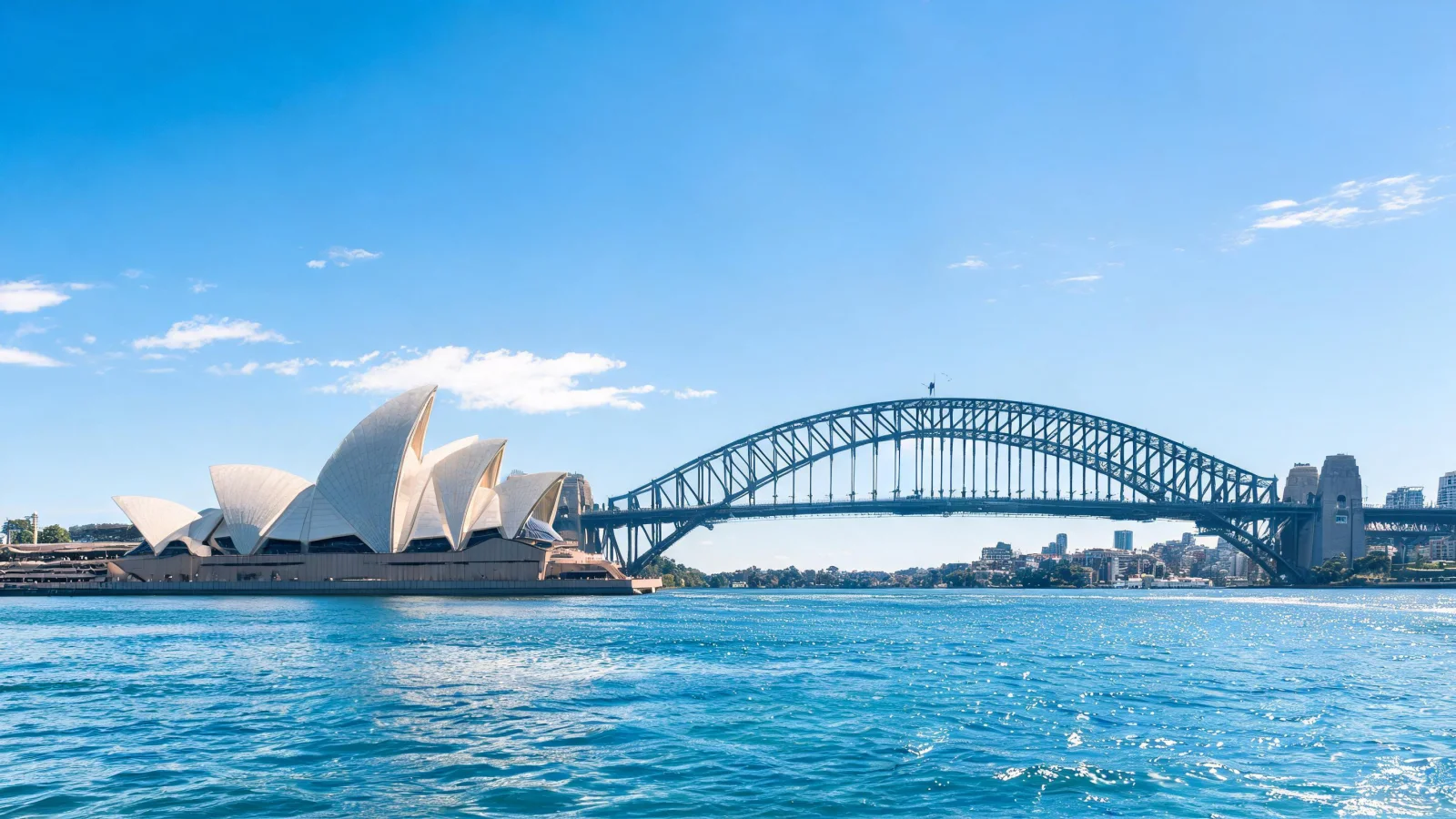
Bottom line: Sydney is best for 3 to 5 days. You can cover the city core (Circular Quay—Darling Harbour—Bondi Beach) in 2 to 3 days, and add 1 to 2 more days if you want to include the Blue Mountains or Taronga Zoo. What makes it special is that "the city and nature are very close together"—see the Opera House in the morning and feel the sea breeze on the coastal cliff walk in the afternoon. The real challenge isn't "danger" but a few easily overlooked pitfalls: apply for an Australian visa in advance, remember the seasons are reversed in the Southern Hemisphere, UV levels are extremely high, vehicles drive on the left, and prices are relatively high. For a 4 to 5 day trip excluding international flights, budget about 150 to 250 AUD per day for economy (accommodation + food + transport + tickets, roughly 700 to 1200 RMB), while 350 AUD+ per day is common for comfort. Exchange rates and ticket prices are subject to the latest official and on-site information.
How many days are suitable? (How to choose 2/3/5 days)
Sydney isn't a city you just "check off a few landmarks and leave." The harbour, beaches, and rainforest mountains each have their own character. How many days you need depends on whether you want to go outside the city centre.
- 2 days (transit / passing through): Only enough for the harbour core. Day 1: Circular Quay area (Opera House, The Rocks, Royal Botanic Garden, Mrs Macquarie's Chair). Day 2: Choose either Darling Harbour or Bondi Beach—don't try to do both.
- 3 days (classic short trip): Just enough for the city's highlights. D1: Harbour district, D2: Bondi Beach and the coastal walk, D3: Darling Harbour + city shopping—a comfortable pace.
- 5 days (mainstream recommendation): 3 days in the city + 2 days in the suburbs. You can add a trip to the Blue Mountains (rainforest, Three Sisters) and Taronga Zoo. After seeing the sea, you also get mountains and koalas—a complete picture that suits most people.
Must-visit attractions (by area, including price ranges and recommended time)
Below is organized by geographic area so you can visit "one area at a time" without crisscrossing the map. Prices are ranges; check on-site/official sources for accuracy.
Circular Quay Area (Sydney's front door)
- Sydney Opera House: Free to view from outside—best photos at dusk and night. To go inside, join a guided tour; tickets about 45 to 80 AUD (roughly 210 to 380 RMB); seeing a performance costs extra. Allow 1.5 hours for exterior and harbour walk, about 2.5 hours with the guided tour.
- Harbour Bridge Climb: Sydney's most iconic experience—climb to the top arch for panoramic views of the harbour, about 174 metres. Prices vary by time slot: daytime around 200+ AUD, sunset around 400 AUD (roughly 1000 to 2000 RMB), book online in advance. To save money, you can walk the free pedestrian path on the bridge or climb the bridge pylon lookout (about 25 AUD) as a cheaper alternative. The climb takes about 3.5 hours.
- The Rocks: Sydney's oldest neighbourhood, with colonial-era stone buildings, pubs, and a weekend market. Free to explore; convenient to combine with the Opera House. Allow 1.5 to 2 hours; the market is liveliest on weekend mornings.
Darling Harbour (family-friendly core)
- SEA LIFE Sydney Aquarium: Dugongs, Great Barrier Reef fish, shark tunnel—great for kids. Tickets about 45 to 55 AUD (roughly 210 to 260 RMB); online often has combo deals. Allow 1.5 to 2 hours.
- Madame Tussauds Sydney: Photo ops with celebrity wax figures. Tickets about 40 to 50 AUD. Often bundled with the aquarium and wildlife park for a better value combo ticket. Allow 1 to 1.5 hours.
- Darling Harbour surrounds: Waterfront restaurants, evening harbour views, Saturday night fireworks (irregular). Free to stroll and photograph. Best atmosphere from late afternoon into night; allow half a day including dining.
Bondi Beach & Coastal Cliff Walk
- Bondi Beach: Sydney's most famous urban beach—surfing, sunbathing, beachside cafés. Free. Swim between the flags and follow lifeguard instructions. Allow 2 to 3 hours.
- Bondi to Coogee Coastal Walk: A clifftop walking trail with sea cliffs, rock pools (e.g., the iconic Icebergs ocean pool), and small bays. About 6 km one way, taking 2 to 3 hours. Free—one of Sydney's best value "attractions." Bring sunscreen and water.
Royal Botanic Garden / Mrs Macquarie's Chair
- Royal Botanic Garden: Adjacent to the Opera House, free. Subtropical plants and harbour lawns. Allow 1 hour; connects on foot with the Opera House and Mrs Macquarie's Chair.
- Mrs Macquarie's Chair: A headland at the end of the Botanic Garden offering a classic photo framing the Opera House and Harbour Bridge together—a postcard-worthy spot. Free. Allow 30 minutes; best at sunset.
Suburbs (mountains, rainforest, koalas)
- Blue Mountains: About 1.5 to 2 hours drive from the city. Named for the blue haze from eucalyptus forests. Highlights: Three Sisters, Echo Point, Scenic World (park pass around 50+ AUD). Rainforest walks and waterfalls. Public transport requires a train to Katoomba then a bus; limited frequency. Allow a full day.
- Taronga Zoo: Located on the harbour's north shore hillside, offering koalas, kangaroos, and a spectacular harbour skyline view—one of the world's best-view zoos. Tickets about 50 to 60 AUD (roughly 240 to 290 RMB). Take a ferry from Circular Quay (about 12 minutes), which is part of the experience. Allow half a day to a full day.
Classic itineraries (ready to use)
The three routes below are designed by area proximity to minimize back-and-forth travel; adjust based on your energy level.
- 2-day Harbour Core: D1: The Rocks (morning) → Harbour Bridge → Opera House → Royal Botanic Garden → Mrs Macquarie's Chair at sunset; D2: Bondi Beach → Bondi to Coogee Coastal Walk → Evening: Darling Harbour for dinner and night views.
- 3-day Classic: D1: Harbour district line (The Rocks—Bridge—Opera House—Botanic Garden); D2: Bondi Beach & Coastal Walk; D3: Darling Harbour (Aquarium/Wax Museum) + City shopping at QVB + Darling Harbour night views.
- 5-day Comfortable: First 3 days as above → D4: Blue Mountains day trip (Three Sisters, cable car, rainforest walk) → D5: Taronga Zoo (ferry round trip) + Manly Beach, then half a day for last-minute shopping before the airport.
Transport, tickets & budget
Sydney's public transport consists of trains, light rail, buses, and ferries, all using the Opal system. The rules are simple.
- Opal card & tap-on: You can buy a physical Opal card, or simply use a Visa/Mastercard bank card or mobile (Apple Pay/Google Pay) as a "tap-and-go Opal" at the gates—most convenient for tourists, no top-up needed. Daily caps apply, and Sunday has an even lower all-day cap; harbour ferries use the same system. Check Transport for NSW for the latest fares.
- Airport to city: The Airport Link train reaches the city centre in about 13 to 15 minutes, but includes a hefty "station access fee," making a single trip around 20 AUD (roughly 95 RMB). For those with luggage, seniors, or groups, a taxi/rideshare or private transfer to the hotel is often more cost-effective and hassle-free.
- Ferries as sightseeing: Ferries from Circular Quay to Taronga Zoo and Manly Beach are themselves a low-cost way to enjoy the harbour. Tap your Opal—highly recommended.
- Ticket price reference: Opera House exterior, Botanic Garden, beaches, coastal walk, The Rocks—free; Aquarium/Wax Museum 40 to 55 AUD; Taronga Zoo 50 to 60 AUD; Harbour Bridge Climb 200 to 400 AUD (sunset more expensive). Combo tickets for Darling Harbour's Aquarium + Wax Museum + Wildlife Park are often cheaper than individual tickets; book online in advance.
Budget scale: Economy about 150 to 250 AUD per day; comfort 350 AUD+ (both excluding international flights). Accommodation is the biggest variable: a city-centre business hotel is 150 to 250 AUD per night in low season, often double during New Year's, Easter, etc. Australian prices are generally high: a typical meal costs 25 to 40 AUD per person; a coffee 4 to 6 AUD. The RMB conversions above are for reference only; use current exchange rates.
Food & shopping
Sydney is an immigrant city, so its food specialty is "diversity + fresh ingredients." Seafood and brunch are especially worth planning for.
- Must-try: Sydney Fish Market's fresh oysters, lobster, seafood platter; authentic Aussie brunch (avocado toast, Flat White); diverse ethnic food districts—Chinatown for Chinese, Surry Hills and Newtown for casual eateries, and cuisines from around the world. Meat pies, Tim Tam chocolate biscuits, and Lamington coconut cakes are local comfort snacks.
- Reservation reminder: Popular harbourfront restaurants and New Year's Eve vantage points often require booking well in advance, especially during peak season. This step can be daunting if you don't speak English—a common reason people ask a Chinese-speaking local guide to help book.
- Shopping: Queen Victoria Building (QVB) in the city centre offers heritage architecture and boutique shops; Pitt Street Mall is a pedestrian shopping street. Health supplements (fish oil, lanolin cream, milk powder), UGG boots, wine, and Opal gemstone jewellery are popular souvenirs. If you spend over a certain amount at a single store, you can claim a Tax Refund for Tourists (TRS) at the airport before departure—keep your receipts and allow time for queuing.
Tips & pitfalls to avoid
- Visa: Mainland Chinese passport holders need to apply for a tourist visa (Subclass 600 eVisitor) in advance. Apply online with all required documents, allow sufficient processing time, and check your passport validity and visa status before departure.
- Opposite seasons: Seasons in the Southern Hemisphere are reversed: December to February is summer (peak season, beach time), while June to August is winter. Pack clothes and plan your itinerary according to the local season—don't assume.
- Sun protection: Australia has some of the strongest UV levels in the world. In summer, the UV index can be extreme; 30 minutes without protection can cause sunburn. High-SPF sunscreen, a hat, sunglasses, and long sleeves are essential. Reapply frequently, especially on beaches and at the Blue Mountains.
- Left-hand traffic: Vehicles drive on the left. When crossing the street, look right first, then left. Intersections often have "LOOK RIGHT" painted on the road. If driving, the steering wheel is on the right; be aware of roundabout rules.
- Beach safety: Swim only between the red and yellow flags and follow lifeguard instructions. Be aware of rip currents. On rocky shores, don't get too close to the edge—sneaker waves can be dangerous.
- Tipping & costs: Australia has no mandatory tipping culture, but prices are high. Restaurants may add a surcharge on weekends and public holidays—check the menu for details.
Should you hire a Chinese-speaking local guide / driver?
Sydney's public transport is convenient, English is widely spoken, and for young people staying in the city with a simple itinerary, self-guided travel is perfectly fine. However, in the following situations, a reliable Chinese-speaking guide or private driver can significantly improve your experience:
- Suburban day trips (Blue Mountains / Hunter Valley / South Coast): For the Blue Mountains, public transport requires a train then a bus with limited frequency. Hiring a car for the day to visit the Three Sisters, cable car, waterfall walks, and perhaps a winery along the way offers flexibility and the ability to adapt to weather—the most worthwhile scenario for a private driver.
- Traveling with elderly or children: Avoid lugging luggage on trains, searching for bathrooms and rest stops. Door-to-door transfers between beaches, zoo, and Botanic Garden make transitions much easier.
- Wanting great restaurants without doing research: A local Chinese-speaking guide can help book fish market restaurants, arrange wine tastings, and assist with ordering. This frees up your time from researching and navigating transfers.
How to find a reliable guide: Check credentials and genuine reviews; don't just look at the price. Ask the guide to specify clearly what is included—fuel, parking, attraction tickets, cable car tickets, guide's meals. Is the fee based on a full day or kilometers? Confirm the itinerary and meeting point in writing. Use a platform for full payment via the platform, not private transfers, and keep receipts.
On Dijiexia (Ground Hero), you can directly post your travel needs (destination, dates, number of people, whether you need a guide, private car/airport transfer, budget), and let local Chinese-speaking guides and drivers bid on your trip. You receive multiple quotes, compare qualifications, genuine reviews, and prices fairly. Contact details are masked until you confirm a booking, offering more security. You decide whether and whom to hire.
Frequently Asked Questions (FAQ)
Q: First time in Sydney—how many days are best?
A: We recommend about 5 days—3 days for the city highlights (Harbour district, Bondi Beach, Darling Harbour) + 2 days for the suburbs (Blue Mountains for Three Sisters, Taronga Zoo for koalas). This pace is not rushed. If pressed for time, you can cut to 3 days for the city only. If you want to add the Hunter Valley wineries or the South Coast, allow 6 to 7 days for a more relaxed schedule.
Q: How do I get a Sydney transport card? Do I need to buy it in advance?
A: No need to buy a physical card in advance. Sydney uses the Opal system. Simply tap a Visa/Mastercard bank card or mobile device (tap-and-go Opal) at the gates—works on trains, light rail, buses, and ferries, with daily caps. If you want a physical card, you can buy one at the airport or convenience stores. Fares are subject to the latest Transport for NSW rates.
Q: For a day trip to the Blue Mountains, is self-guided or a private driver better?
A: It depends on your group. Young travelers with plenty of time can take the train to Katoomba and then the bus—possible, but with limited frequency and time spent on transfers. If traveling with elderly or children, or if you want to hit multiple spots in one day (Three Sisters, cable car, rainforest walk, maybe a winery along the way), a private driver is more hassle-free and allows you to adjust the route based on weather and energy. Split among multiple people, it's not necessarily expensive.