
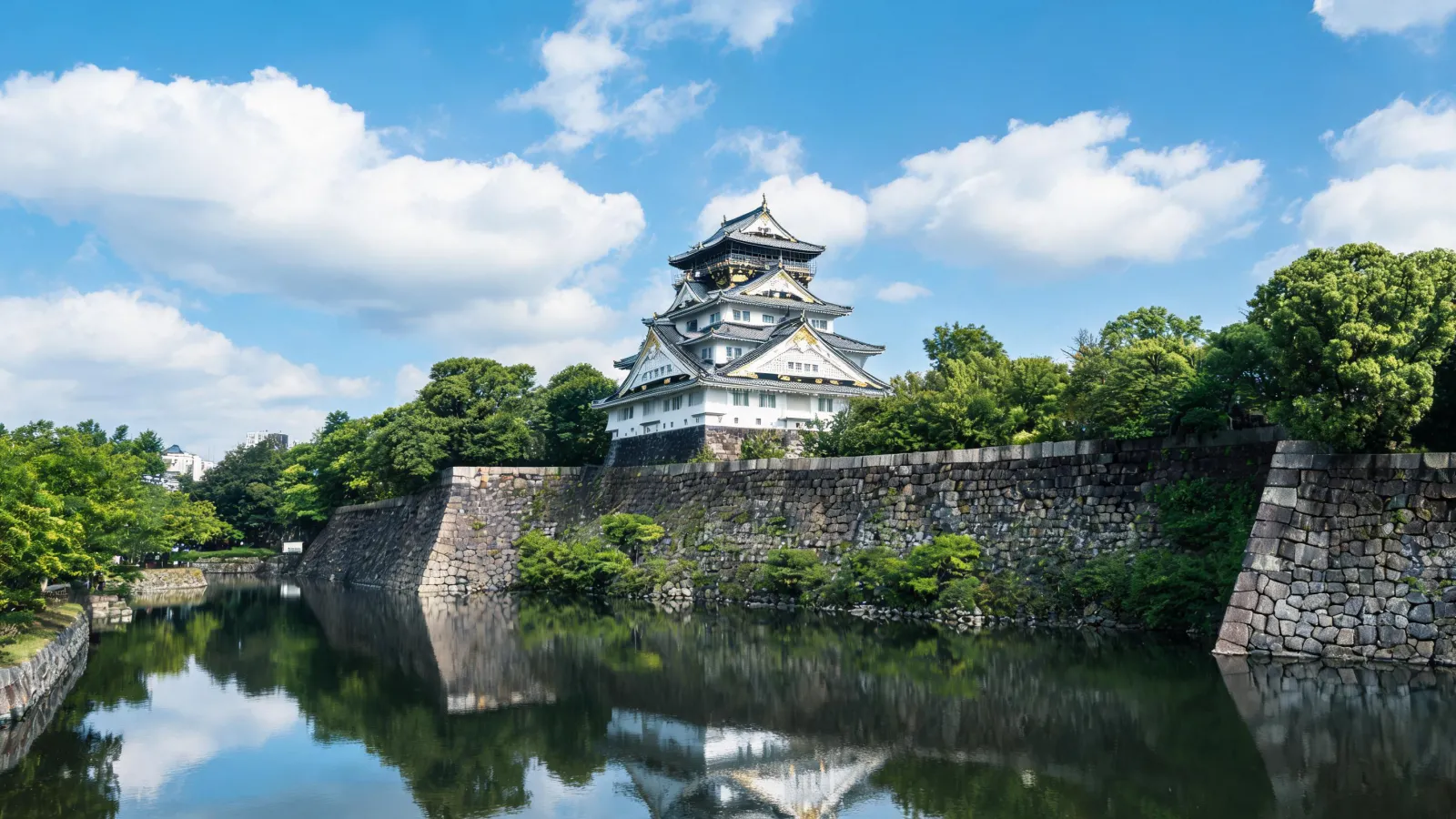
One-sentence conclusion: Osaka is suitable for around 3 days. Include Universal Studios Japan in your itinerary, but don’t let it consume your entire trip—the historical depth of Osaka Castle, the vibrant street life of Dotonbori, and the urban vistas of Umeda, plus a quick side trip to Kyoto and Nara, will make your flight ticket worthwhile. Visiting only USJ is indeed a missed opportunity.
How many days are appropriate
Many people treat Osaka as a "Universal Studios exclusive trip," flying in for two nights, spending one day at the park, and leaving with almost no impression of Osaka itself. My suggestion is to tailor it to your interests:
- Pure city play for 2 days: Osaka Castle + Dotonbori/Shinsaibashi + Umeda, a relaxed pace suitable for first-timers or those short on time.
- Including Universal Studios for 3 days: One day for USJ, two days for the city and food—this is the most common and worthwhile configuration.
- Kansai combo for 4-5 days: Use Osaka as your base, spending full days in Kyoto and a half-day in Nara. Osaka to Kyoto takes about 30 minutes, and to Nara about 40 minutes, making day trips entirely feasible.
Osaka’s city center is compact with a dense subway network. Staying at one location and commuting daily is perfectly viable—no need to switch hotels frequently, which is more convenient than many imagine.
Must-see attractions
Universal Studios Japan (USJ)
The Wizarding World of Harry Potter, Super Nintendo World (Mario-themed area), and Minion Park are the three main highlights. It’s worth visiting, but with two prerequisites: first, arrive early—queue before the park opens and rush to the most popular rides; second, during peak times, the Nintendo World and some popular areas require a "Area Timed Entry Ticket" (limited-entry pass), which you can obtain via the official app or machines inside the park on a first-come, first-served basis. Without planning ahead, you might only get on three or four rides in a day.
Osaka Castle and Tenshukaku
Osaka’s historical core. The castle keep, moat, and massive stone walls from Toyotomi Hideyoshi’s era are impressive. Inside the Tenshukaku is a museum, and from the top you can overlook the city. The castle grounds are free to enter; only the Tenshukaku requires a ticket (adults around 600 yen/~30 RMB, subject to official rates). It’s most beautiful during cherry blossom season in spring and ginkgo season in autumn. Mornings are recommended for better lighting and fewer crowds.
Dotonbori / Shinsaibashi
The most "Osaka-feel" place in Osaka. The giant crab sign along the Dotonbori canal and the Glico Running Man neon sign are must-photo spots. Across the river, Shinsaibashi-suji is a long covered shopping arcade selling cosmetics, clothing, and miscellaneous goods all in one place. This area is also the main battlefield for takoyaki, okonomiyaki, and kushikatsu. The later it gets, the livelier it becomes—it’s about experiencing the vibrant street atmosphere rather than a scenic spot.
Umeda / Tsutenkaku・Shinsekai
Umeda is Osaka’s modern face. The Kuchu Teien Observatory at Umeda Sky Building offers a 360-degree night view of the city (ticket around 1,500 yen/~75 RMB, subject to official rates). Further south, Shinsekai has a different vibe—old-school, retro, and down-to-earth. The landmark Tsutenkaku tower is surrounded by old kushikatsu shops, creating a sharp contrast with Umeda’s skyscrapers. Both are worth seeing.
Kaiyukan (Osaka Aquarium)
A world-class large aquarium, famous for its giant whale sharks in a massive tank. The layout spirals downward around the central tank, making it great for kids (ticket around 2,700 yen/~135 RMB, subject to official rates). Nearby, you can also visit the Tempozan Ferris Wheel and harbor area for half a day.
Nearby: Kyoto・Nara
Using Osaka as a base, you can visit Kiyomizudera, Fushimi Inari’s thousand torii gates in Kyoto, and feed deer in Nara Park all within day trips. If your itinerary has 4+ days, it’s highly recommended to allocate one day each—extremely cost-effective.
Classic itineraries (1/2/3 days)
- Day 1 (City Classics): Morning at Osaka Castle and Tenshukaku → Lunch in the city center → Afternoon shopping at Shinsaibashi-suji → Evening for photos and street food in Dotonbori, dinner there, and enjoy the night scenery.
- Day 2 (Universal Studios): Full day at USJ, arrive before opening, stay until after the nighttime show or parade, and if you have energy, grab a late-night snack back in the city.
- Day 3 (Harbor Area + Umeda): Morning at Kaiyukan and Tempozan → Afternoon move to Umeda for shopping and end with the Kuchu Teien night view. Alternatively, for a Kansai combo, swap this day for a Kyoto or Nara day trip.
This route covers five aspects: amusement park, history, street life, modernity, and marine life—rather than revolving solely around USJ.
Transport, tickets, and costs
Osaka’s city transport is mainly subway, covering almost all attractions. Single rides cost about 190-390 yen. Highly recommended to buy an ICOCA (Kansai version transport IC card) upon arrival—you can tap in and out for subways, buses, and even convenience stores, saving the hassle of buying tickets each time.
- From Kansai Airport to the city: Nankai Electric Railway's "Rapi:t" or airport express to Namba (about 40-50 minutes); JR Kansai Airport Rapid to Tennoji/Osaka Station is also convenient. Budget about 920-1,500 yen (subject to official rates), depending on the train type.
- Osaka Amazing Pass: Includes unlimited rides on city subways and buses, plus free entry to dozens of facilities like Osaka Castle Tenshukaku, Umeda Sky Building Kuchu Teien, and Tsutenkaku. The one-day pass costs about 2,800 yen (subject to official rates). If you plan to enter 3+ paid attractions and take multiple subway rides in one day, it pays off. However, it does not include Universal Studios or Kaiyukan, so buying it for a park day is not cost-effective—do the math based on your plans.
Rough daily per-person budget (excluding flights/hotels and USJ tickets): transport + tickets + meals, about 6,000-10,000 yen/day (~300-500 RMB), depending on spending habits. USJ tickets must be purchased separately and are more expensive during peak seasons—buy in advance from the official site or authorized channels.
Food
Osaka is known as "the kitchen of the world," and eating is one of the core reasons to visit:
- Takoyaki: Crispy outside, soft and runny inside. Famous shops cluster around Dotonbori. Eat them hot, but be careful not to burn your mouth.
- Okonomiyaki: Batter + cabbage + meat/seafood grilled on an iron plate, topped with sauce and bonito flakes. Filling enough for one meal.
- Kushikatsu (skewers): A Shinsekai specialty. Various ingredients breaded and deep-fried. Note: the dipping sauce at the shop is for one dip only—do not double-dip. That’s the rule.
- Fugu (blowfish): Osaka is a major fugu consumption hub in Japan, often served as hotpot (techiri) or thinly sliced sashimi (tessa). Always go to licensed, reputable fugu restaurants—don’t take risks with cheap, unverified sources.
- Others: Crab dishes, sukiyaki, and various ramen are also abundant. Kuromon Market is great for strolling and eating fresh seafood.
Avoiding pitfalls
- Visa: Chinese mainland passport holders need to apply for a Japanese visa in advance—visa on arrival is not available. Make sure to allow enough processing time; don’t wait until after buying tickets to discover it’s too late.
- Cash and IC card: Many small shops and old establishments in Japan only accept cash. Carry some yen with you. Also get an ICOCA for transport and convenience stores. Don’t assume a single credit card will work everywhere.
- USJ Express Pass and crowds: During peak periods, wait times can be 1-2 hours. The official "Express Pass" can save time but is an additional cost—decide based on your budget and patience. No matter what, arriving early is more critical than buying an Express Pass.
- Etiquette: Don’t talk loudly on the train; give up priority seats; take your trash with you (street trash cans are rare); wait to be seated at restaurants; don’t double-dip kushikatsu sauce—following these details will make your experience smoother.
Should you hire a Chinese-speaking local guide/chauffeur?
Osaka’s subway is well-developed and signs include Chinese, so independent travel is perfectly feasible for young people. However, in the following situations, hiring a local Chinese-speaking guide or chauffeur can be more convenient and sometimes more cost-effective than struggling on your own:
- Traveling with elderly or children: No need to squeeze onto subways, change lines repeatedly, or walk long distances. A car takes you directly to attractions, making it easier for everyone, with space for luggage.
- Day trips to Kyoto/Nara: Visiting Kiyomizudera, Fushimi Inari, and Nara Park in one day by public transport is tiring. A chartered car can optimize the route and save waiting time, often allowing you to see an extra spot or two.
- USJ strategy: A local who knows the ropes can help you plan the order of timed-entry tickets and rides, avoiding peak queues, so you can enjoy more attractions in a day.
On Dijiexia, you can post your needs (e.g., "June, 3 adults + 1 child, want to go to Kyoto/Nara + one day at USJ, need a Chinese-speaking driver-guide"), and local Chinese-speaking guides, drivers, and translators will bid on it. You compare their qualifications, reviews, and prices before deciding—information is anonymized until you finalize, which is more reliable than blind selection. For pure city itineraries without elderly/children or suburban trips, self-travel is sufficient—no need to spend extra.
FAQ
How many days are enough for Osaka?
2 days for the city, 3 days including Universal Studios, 4-5 days if you want to add Kyoto and Nara. 3 days is the most common and worthwhile setup: one day for USJ, two days for the city and food.
Is the Osaka Amazing Pass worth buying?
It depends on your day’s plans. If you’re visiting 3+ paid attractions (like Osaka Castle, Umeda Sky Building, Tsutenkaku) and taking multiple subway rides, it usually pays off. But it doesn’t cover Universal Studios or Kaiyukan, so don’t buy it for a park day. Calculate the total cost of your paid entry spots and subway rides for that day first before deciding.
What’s the best way to get from Kansai Airport to central Osaka?
Take the Nankai Electric Railway to Namba, or JR Kansai Airport Rapid to Tennoji/Osaka Station, about 40-50 minutes. Get an ICOCA upon arrival for easy access to subways, buses, and convenience stores. Exact fares and schedules subject to official information.