
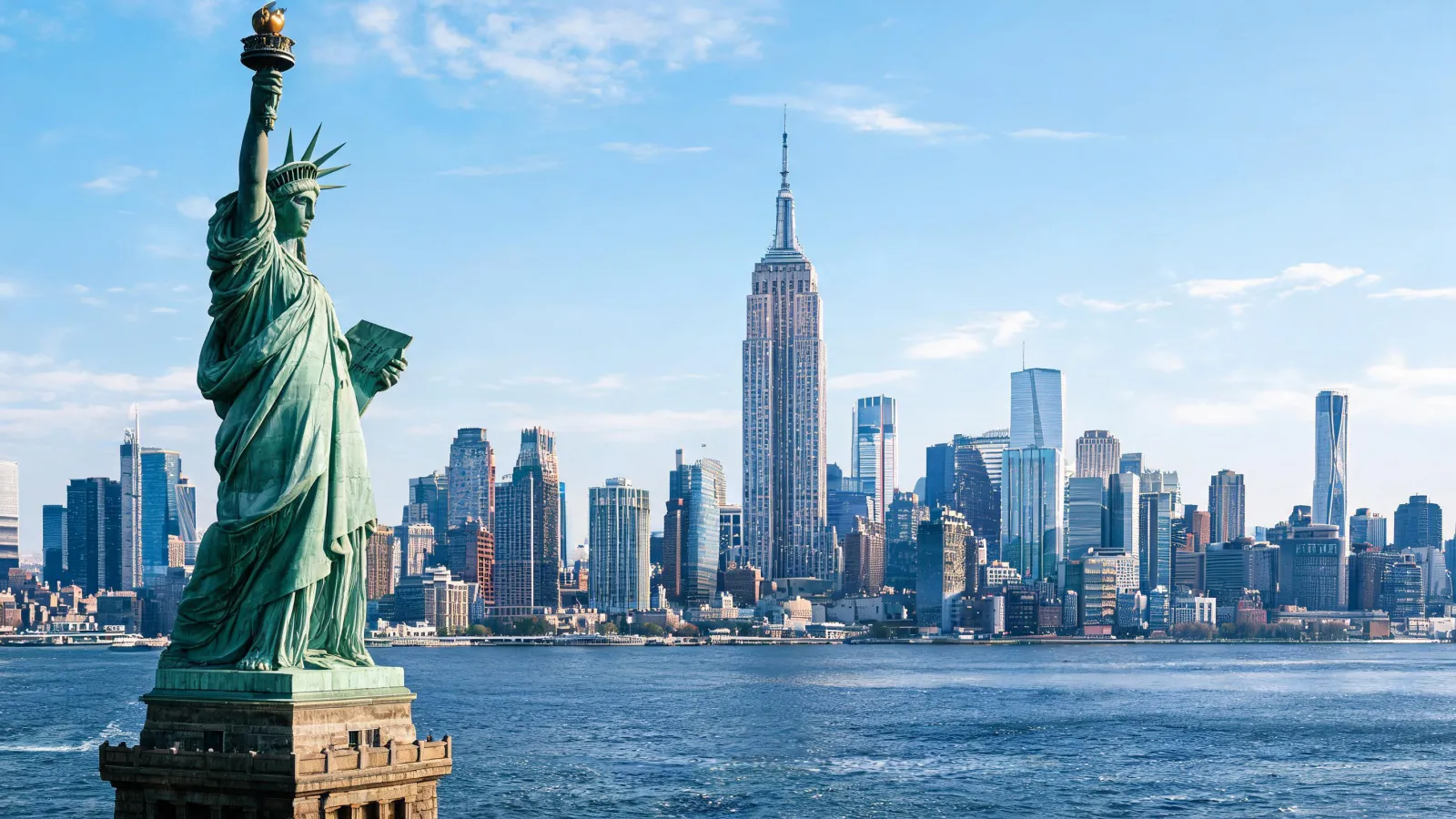
Bottom line: New York is a city where "the more you know, the more fun it gets". Attractions are highly concentrated in Manhattan, and the subway can get you around the core areas. However, tickets, dining, and taxes add up, making it expensive. Figuring out three things before your trip — "how many days, whether to bundle tickets, and whether to hire a Chinese-speaking guide" — will save you both hassle and money compared to scrambling for tips last minute. For first-timers, give yourself at least 3 days; if you have more time, go for 5 days; for a quick 48-hour stop, just focus on Midtown and Downtown.
How many days in New York?
New York is not a city you just "see and leave". Its density means your length of stay directly impacts the quality of your experience. Here are recommendations based on days:
- 1 day (short stop/layover): Enough to string together Midtown's highlights — Times Square, then choose one of Empire State Building or Rockefeller's "Top of the Rock" for skyline views, then walk to the southern end of Central Park. Don't try to add Downtown; the subway rides will eat up half the day.
- 3 days (recommended for first-timers): One day for Downtown (Statue of Liberty + Wall Street + 9/11 Memorial & Museum), one day for Midtown (Times Square + museum + observation deck), and one day for Central Park + Upper East Side museums. Comfortable pace, no classics missed.
- 5 days (in-depth): Add Brooklyn Bridge & DUMBO, High Line & Chelsea Market to the 3-day plan, plus half a day for shopping or a museum you really want to explore thoroughly. Use remaining time flexibly for a nearby suburb or a Broadway show.
The lesson: New York is "doable" on a tight schedule, but rushing isn't worth it. Plan 2 to 3 main attractions plus one walking segment per day — leave room for strolling, coffee, and spontaneous street performances.
Must-see attractions (by area + ticket price range + duration)
Listed by geographic area to help you "sweep one area at a time" and minimize subway backtracking. Prices are adult walk-up reference prices, subject to official websites or on-site ticketing; peak season and timed tickets may vary.
Downtown: Statue of Liberty / Wall Street / 9/11 Memorial & Museum
- Statue of Liberty & Ellis Island: Ferry round trip including both islands takes about half a day; ferry tickets around $25–30. Access to the pedestal or crown requires advance booking weeks ahead and costs more. On a budget, take the free Staten Island Ferry for a distant view — zero dollars gets you a side profile of the statue.
- Wall Street & Charging Bull: NYSE, the bull, and the area around Charging Bull are free to walk; 1 hour is enough. Stop by Trinity Church and Federal Hall along the way.
- 9/11 Memorial & Museum: The outdoor twin reflecting pools are free and powerful; museum tickets start around $30. The museum's layout is extensive, allow 2–3 hours. The One World Observatory next door charges extra (around $40+).
Midtown: Times Square / Empire State Building / Rockefeller Center / MoMA
- Times Square: Free, livelier later in the evening when all the lights are on — a must-see for night views; 30 minutes to 1 hour. Beware of pickpockets and people soliciting paid photos.
- Empire State Building Observatory: About $45–80 (varies by 86th/102nd floor, daytime/sunset). Going up plus waiting takes about 1.5 hours.
- Top of the Rock (Rockefeller Center): About $40–60. It faces the Empire State Building, allowing you to capture both in one shot — many prefer this vantage point.
- MoMA (Museum of Modern Art): Tickets about $28–30. Van Gogh's "Starry Night" and Monet's Water Lilies are here. Allow 2–3 hours. Free admission often available Friday evenings, but tickets must be reserved in advance.
Central Park & Upper East Side: The Met / American Museum of Natural History
- Central Park: Free. Walk from The Mall at the south end to Bethesda Terrace and Bethesda Fountain; 1–2 hours. Rent a boat or bike if weather is good.
- The Metropolitan Museum of Art (The Met): Tickets about $30 (New York State residents can pay what they wish). The collection spans 5,000 years — even a full day isn't enough; allow at least 3 hours.
- American Museum of Natural History: Tickets start around $28. The dinosaur fossils and the Hall of Ocean Life are highlights. Great for families; 2–3 hours.
Brooklyn Bridge & DUMBO
- Brooklyn Bridge: Free to walk across. From the Manhattan side to Brooklyn takes about 40 minutes. Best for photos of the Manhattan skyline during golden hour (afternoon).
- DUMBO: Just off the bridge. The iconic shot of the Manhattan Bridge framed by brick buildings is on Washington Street. Brooklyn Bridge Park nearby is great for sitting and watching the skyline; half a day to explore.
High Line
- High Line: Free. An elevated rail line turned into a green park, about 2.3 km long. 1–1.5 hours. The southern end connects to Chelsea Market (for food/drink), the northern end leads to Hudson Yards — making a great photo-worthy walking route.
Classic itineraries (1 / 3 / 5 day highlights)
- 1-Day Highlight (Midtown Blitz): Morning: Top of the Rock → walk to Central Park South entrance → lunch → afternoon: Fifth Avenue shopping → evening: MoMA → night: Times Square lights. All reachable by subway and walking.
- 3-Day Classic:
- Day 1 Downtown: Ferry to Statue of Liberty → Wall Street & Charging Bull → 9/11 Memorial pools & museum → evening: walk across Brooklyn Bridge to DUMBO for sunset.
- Day 2 Midtown: Empire State Building or Top of the Rock → Times Square → MoMA → Fifth Avenue → evening: Broadway show.
- Day 3 Uptown: The Met → walk through Central Park → American Museum of Natural History. If time allows, explore the Upper West Side.
- 5-Day In-Depth: Add Day 4: High Line + Chelsea Market + Hudson Yards Vessel (exterior). Day 5: flexible — explore Brooklyn in depth, a nearby suburb (Washington DC or Niagara Falls would be separate long trips), or catch up on a museum/shopping you missed.
Transportation, tickets & budget
Getting around — the subway is king. NYC subway runs 24/7, covers densely. The main system now is OMNY (tap contactless credit card/phone; single ride about $2.90, with a weekly fare cap after a certain number of rides — after that, remaining rides that week are free). No need to buy a physical MetroCard anymore; MetroCards are still accepted but are being phased out. Taxis include yellow cabs and Uber/Lyft, but Midtown traffic is terrible; for short trips, the subway is faster.
Airport to city. Each of the three airports has its own options: JFK — take AirTrain to subway (about $11 total, cheapest); LGA — close to Manhattan but no direct subway, usually bus+subway or taxi; EWR (Newark, New Jersey) — take AirTrain to NJ Transit to the city. Taxi into the city ranges from $60–90 (including tips/tolls), worth it only for groups or heavy luggage.
Should you buy a pass? If you plan to visit observation decks and 2+ paid museums, passes like CityPASS or Go City typically save 30%–40% versus individual tickets — but only if you'll actually use enough attractions. For just one or two sites, buy individually. Always verify included attractions and validity periods.
Overall budget (per person/day, excluding intercity flights): New York is globally expensive. Budget travelers (hostels) about $50–80/night; decent hotels often start at $200. Meals: full-service restaurant $25–45/person, fast food around $15. Attractions: $30–80/day. Rough estimate: budget style ~$120–180/day (approx. 850–1300 RMB), comfortable style $300+/day is common. All ranges are references; actual costs depend on current official pricing.
Food & Shopping
Must-try list: New York-style thick-crust pizza and the foldable street slice; bagel with cream cheese (breakfast king); hot dogs and soft pretzels from street carts; Jewish deli's thick pastrami sandwich; Chinese food in Chinatown and Flushing (comfort food when homesick); and specialty coffee everywhere. Range from Michelin-starred to street food — spend according to your budget.
Shopping spots: Fifth Avenue (flagship luxury stores), SoHo (trendy brands and designer boutiques), Woodbury Common Premium Outlets (suburban outlet, big discounts but requires a car or bus transfer, about 1 hour away), Macy's and department stores (tourists can often get extra discount with passport). Note: New York State exempts clothing/footwear under $110 from sales tax; other items are subject to about 8.875% sales tax — the sticker price ≠ the final price.
Pitfalls to avoid & tips
- Visa/Entry: Chinese passport holders must apply for a US visa (B1/B2) in advance. ESTA is only for Visa Waiver Program countries. Mainland Chinese passports are not eligible, do not believe claims that ESTA works. Allow ample time for interview and document preparation.
- Safety by area: Manhattan's core is safe during the day with lots of people, but avoid deserted subway platforms and quiet streets at night. Keep valuables on your person; don't have your phone out for long periods. Overall safer than reputation, but stay alert.
- Tipping culture: Sit-down restaurant meals usually tip 18%–20%; bills often include suggested amounts or pre-selected options — check before paying. Taxi drivers, hotel bellhops, and tour guides also expect tips.
- Tax not included in listed price: Whether dining or shopping, tax is added at checkout. Budget about 9% on top of sticker prices.
- Queues & reservations: For popular observation decks, museum free admission times, and Broadway shows, book online well in advance; on-site lines can be 1+ hours.
Should you hire a Chinese-speaking guide/private driver?
New York has excellent public transport and clear English signage, so you don't necessarily need a guide for independent travel within the city. However, in these situations, hiring a reliable Chinese-speaking guide or driver can greatly improve the experience and efficiency: traveling with elderly or children, heavy luggage and wanting to avoid subway changes; wanting to visit suburban outlets or Long Island in one day without driving yourself; limited English skills and hoping for explanations and on-the-spot problem-solving; or tight schedule and wanting to hand over "route planning + ticketing + commentary" to a local.
How to find a reliable one? Three key points: whether they are local and know the area well, whether they have real reviews and credentials, and whether their pricing is transparent without hidden fees. On Dijiexia, you don't need to message and compare one by one — just post your travel needs (date, number of people, where you want to go, whether you need a car or guided tour), and local Chinese-speaking guides, drivers, and translators will proactively bid for your job. You can then compare multiple offers, credentials, and past reviews side by side, and decide when you find a good match. Getting multiple quotes at once ensures fairer prices; and since information is anonymized and all communication is traceable before the deal, it's safer than finding strangers in group chats. Whether for airport transfers, day charters, or full-day guided tours, you can match accordingly.
Frequently Asked Questions (FAQ)
Q: Is 3 days enough for a first-time visit to New York?
A: Yes, enough to cover the classics. One day each for Downtown, Midtown, and Uptown — you can include the Statue of Liberty, Times Square, Empire State Building/Top of the Rock, The Met, and Central Park. To add Brooklyn Bridge, High Line, or a Broadway show, extend to 4–5 days.
Q: What's the most convenient way to get around the city?
A: The subway is best. Use OMNY by tapping your contactless credit card or phone; a single ride is about $2.90, with a weekly fare cap after which rides are free. No need to buy a physical card. Don't take taxis for short trips — Midtown traffic is terrible.
Q: Do I have to buy a CityPASS or similar pass?
A: Not necessarily. Only if you're sure you'll visit an observation deck plus two or more paid museums — then it saves about 30–40%; if you only want one or two attractions, buy individually. Check included attractions and validity before purchasing; prices subject to official sources.