
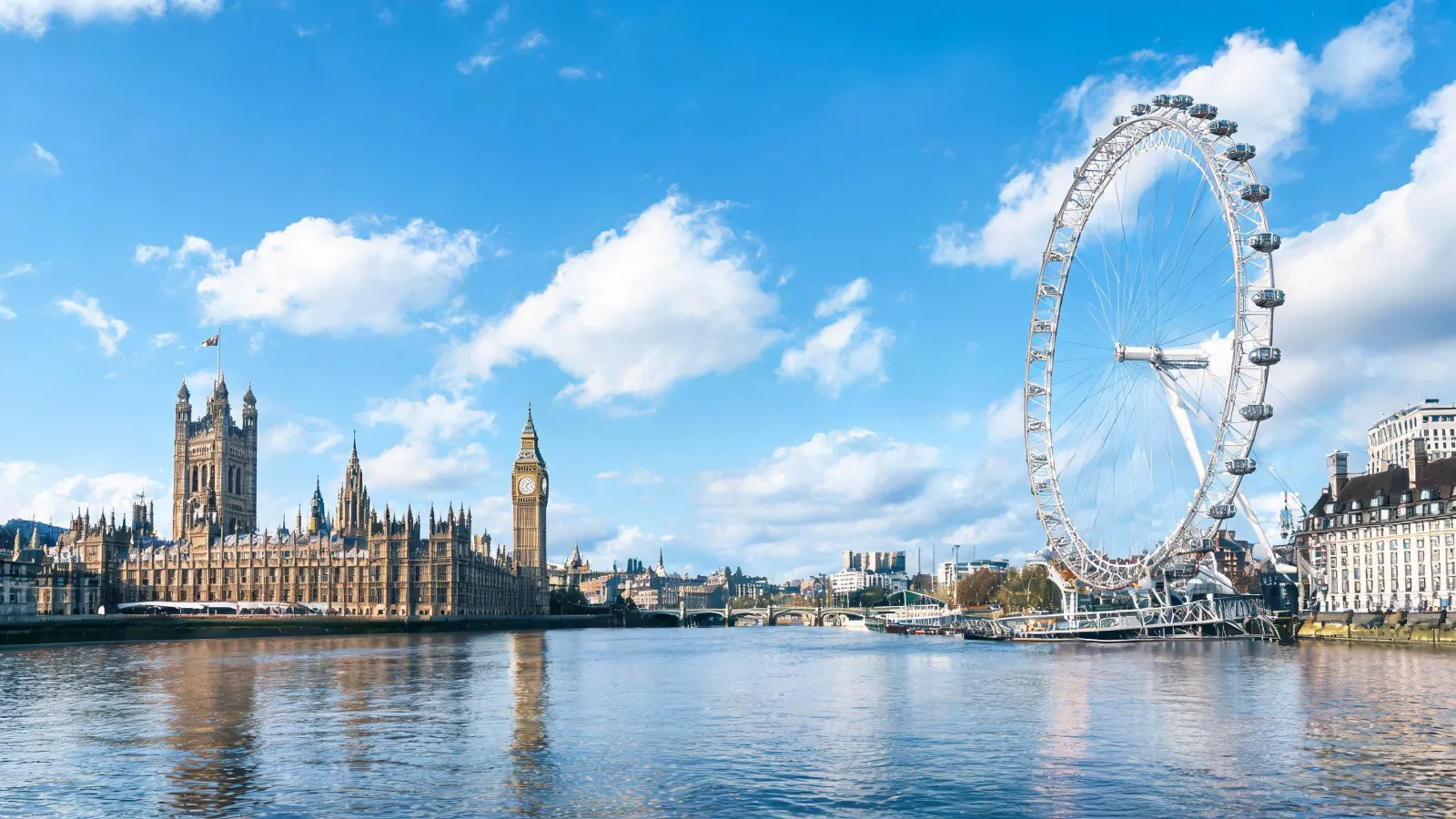
One-sentence summary: London's attractions are highly concentrated and the Tube is well-connected. For a first visit, 3 full days are enough to explore the core area, while 5 days let you add nearby spots like Windsor or Oxford. The challenge isn't "what to see" – it's the high cost of living (London is one of the most expensive cities in the UK), the fact that almost all popular attractions require advance booking, and the unpredictable weather. The average daily budget per person is around £80–150 (including food, accommodation, transport, and tickets – roughly RMB 750–1400), with accommodation being the biggest variable.
How many days to spend (1/3/5/7 days)
London isn't a city you can "check off in two days." It rewards a slow pace, but a tight schedule still pays off. Here's a practical reference:
- 1 day (layover or passing through): Just enough for a Westminster main axis – Big Ben, Houses of Parliament, exterior of Westminster Abbey, Buckingham Palace, St. James's Park, then evening at the South Bank for the London Eye and Thames night views. You'll get the vibe, but museums are basically out of the question.
- 3 days (most recommended for first-timers): Day 1: Westminster political and cultural area; Day 2: British Museum + National Gallery + Trafalgar Square; Day 3: Tower of London, Tower Bridge, and East End markets. You won't feel rushed, and the core highlights are all covered.
- 5 days: Add one day for a nearby day trip (choose Windsor Castle or Oxford), and another day for shopping, the Natural History Museum, Kensington area, or simply slowing down with coffee and parks.
- 7 days or more: Ideal for those travelling with elderly or children, culture enthusiasts, or those who want to include Bath, Cambridge, and the Cotswolds. You can do one nearby day trip per day, and still have time for niche museums and theatre shows in the city.
The logic is simple: 3 days are enough for central London alone; add one more day for each nearby destination. Don't overpack with five or six stops per day – London's attractions are worth lingering over, and rushing means you won't remember much.
Must-see attractions (by area + ticket prices + suggested time)
Westminster (Political and Royal Core)
This area is London's showcase. Attractions are within walking distance of each other, and half a day to a full day feels most comfortable.
- Big Ben & Houses of Parliament: Free to photograph from outside; paid guided tours inside cost about £20–30, lasting 1–1.5 hours.
- Westminster Abbey: Site of coronations and burials of monarchs. Tickets around £25–30, allow 1.5–2 hours. Not open for touring during services – check the official website beforehand.
- Buckingham Palace: The forecourt and Changing of the Guard are free to watch (on specific days; times change with season – check the schedule). The State Rooms open only during part of the summer, tickets around £30+.
World-class museums (mostly free)
This is the best value in London – permanent collections at national museums are almost entirely free, which is key for budget control.
- British Museum: Free (special exhibitions cost extra). Home to the Rosetta Stone, Egyptian mummies, and Greek sculptures. Allow at least half a day; a full day isn't enough for a thorough visit. Book a free timed ticket online to avoid queues.
- National Gallery: Free, with masterpieces like Van Gogh's Sunflowers and da Vinci's works. Located next to Trafalgar Square; 1.5–3 hours.
- Natural History Museum / V&A / Science Museum: All free, all in South Kensington. Ideal for families; 1.5–2 hours each.
Tower Bridge and the Tower of London
- Tower of London: See the Crown Jewels and nearly 1,000 years of castle history. Tickets around £30–35, allow 2.5–3 hours. One of the most consistently praised paid attractions.
- Tower Bridge: Free to view from outside and walk across; the exhibition with glass walkway costs around £12–15, about 1 hour.
London Eye and South Bank
- London Eye: Tickets from about £30 (more expensive on the day; book online in advance for discounts). One rotation takes about 30 minutes. Best at sunset for city lights.
- South Bank: Free riverside walk connecting Tate Modern (free), Shakespeare's Globe Theatre, and Borough Market. A prime spot for evening strolls.
Nearby day trips (Windsor / Oxford / Bath)
- Windsor Castle: Closest royal castle to London. Train about 1 hour; tickets around £28–33. A half-day return trip works well.
- Oxford: Train about 1 hour. University town vibe; mainly walkable. Can be done as a day trip.
- Bath: Roman baths and Georgian architecture. Train about 1.5 hours; better to allow a full day or even stay overnight.
Classic itineraries (1/3/5 day highlights)
- 1-day highlights: Morning: Changing of the Guard at Buckingham Palace → St. James's Park stroll → Big Ben, Houses of Parliament, Westminster Abbey exterior → Afternoon: National Gallery + Trafalgar Square → Evening: South Bank + London Eye night view. A straight line along the main axis, almost no transfers needed.
- 3-day classic: Day 1: Westminster political area + South Bank; Day 2: British Museum + Covent Garden + National Gallery; Day 3: Tower of London + Tower Bridge + Borough Market, evening East End or Tate Modern. Balanced mix of active and relaxed, one theme per day.
- 5-day in-depth: First 3 days as above; Day 4: day trip to Windsor Castle or Oxford; Day 5: South Kensington museum cluster + Hyde Park + Knightsbridge shopping, flexible finish. For families with elderly or children, replace the day trip with a slower-paced park + museum combination.
Transport, tickets, and budget
The key to London transport in one sentence: Don't buy a physical day ticket – just use a contactless bank card or phone to tap the gates.
- Tube and buses: The system is zonal; most central areas are Zones 1–2. Tap in and out with a Contactless card / Apple Pay / Google Pay. The system automatically applies a daily cap – once you reach the cap for the day, no more charges. It's simpler than an Oyster card, and you avoid deposit refund hassle. Buses have a flat fare and allow transfers within a limited time.
- From the airport: Heathrow: take the Piccadilly Line (cheapest, about 1 hour), Elizabeth Line (faster), or Heathrow Express (fastest, about 15 minutes but expensive). Gatwick: Gatwick Express or regular train. Fares vary – check official rates. The Tube is usually the best value.
- Budget estimate (per person/day, approximate, check current prices): Hostel dorm bed: £30–50; budget hotel double room: £100–180 (lower per person when shared). Meals: simple meal £8–15, sit-down dinner £20–40. Make the most of free museums; limit paid attractions to one or two per day. Overall daily average of £80–150 per person is common; higher if you stay upscale or dine well. Exchange rates fluctuate; convert to RMB using the daily rate.
Food and shopping
London's food label is long past "bad cuisine" – it's a global immigrant city with incredible diversity. Must-try classics: Fish & Chips, Sunday Roast, afternoon tea (fancy hotel tea £50–80 per person; affordable cafés also serve it). Market food: Borough Market offers international street food; Brick Lane is known for curry and bagels – great value and atmosphere. For Chinese food, Chinatown (near Soho and Leicester Square) hits the spot.
Shopping: Oxford Street and Regent Street are the main commercial strips; Harrods and Selfridges are iconic department stores; Covent Garden is great for street performers and design boutiques; Bicester Village is a nearby outlet village popular for discounts. Tax refund note: The UK's tourist tax-free shopping rules have changed recently. Check with the store and official current regulations – don't assume it applies.
Pitfalls and tips
- Apply for a visa early: Chinese passport holders need a UK visa. Prepare documents and allow plenty of time. Double-check the latest entry requirements before you go.
- Drive on the left: In the UK, vehicles drive on the left. Look right, then left when crossing the road. Pavement markings often say "Look Right / Look Left" – pay attention. This is the most common mistake for Chinese tourists.
- Unpredictable weather: Expect all four seasons in one day. Carry a compact umbrella and a windproof jacket; layer your clothing.
- Pickpocketing: High-risk areas: Tube, markets, Oxford Street, queues for attractions. Wear your backpack on your front, keep your phone out of back pockets, and don't leave your phone/wallet on a café table while saving seats.
- Booking is the norm: For free museums like the British Museum, book a timed ticket online. For popular paid attractions (Tower of London, London Eye, Windsor), advance online booking is often cheaper and queueless. For Changing of the Guard and theatre shows, check times and buy tickets in advance.
- Tipping and toilets: Restaurant bills often include a service charge – check before adding extra. Some public toilets charge a fee; carry small change.
Should you hire a Chinese-speaking guide/driver?
London is English-friendly and the Tube is easy to navigate, so independent travel is totally feasible. A Chinese-speaking guide is not a "must-have" but a "convenience for specific scenarios." It's usually worth the cost in these situations:
- Travelling with elderly or children: No need to squeeze onto the Tube or lug luggage across transfers. Door-to-door transport saves energy and keeps everyone relaxed.
- Nearby day trips (Windsor/Oxford/Bath/Cotswolds): Public transport often requires transfers and long walks after arriving. A private car for the day can connect scattered spots efficiently.
- Want in-depth Chinese explanations: Places like the British Museum and Westminster Abbey come alive with historical context. Being able to understand English doesn't mean you can explain it richly – a knowledgeable Chinese guide helps you "understand" not just "see."
- Tight schedule (only 2–3 days): Having someone plan your route, skip queues and detours saves spare time for actual experiences.
How to find a reliable one? Three checkpoints: 1) credentials (local licensed guide/driver status), 2) real reviews (don't just read a few good words – look at detailed feedback), 3) transparent pricing (vehicle type, duration, whether tickets/fuel/tolls are included – no last-minute surcharges). Most important: pay through the platform – never transfer money privately via WeChat – you lose protection if something goes wrong.
If you don't want to compare one by one, you can post your London needs (how many days, how many people, where you want to go, whether you're bringing elderly/kids) on Dijiexia (a local service platform), and let local Chinese-speaking guides/drivers "bid" for your job. You'll receive multiple quotes, compare credentials, reviews, and prices before deciding – fairer than receiving a single offer. The platform also masks contact details until you agree to proceed. In the end, hiring someone depends on your situation, but comparing quotes and verifying credentials is a step you should never skip.
Frequently Asked Questions (FAQ)
- What's the best Tube ticket to buy in London? For short-term visitors, simply tap a contactless bank card or phone (Apple Pay / Google Pay) at the gates. The system automatically applies a daily cap – no need for physical tickets or an Oyster card (and the deposit refund hassle). Each person should tap their own card.
- Are London museums really free? Yes – the permanent collections of national museums like the British Museum, National Gallery, Natural History Museum, and Tate Modern are truly free. Only special exhibitions cost extra. Book a free timed ticket online to save queue time during peak season.
- Is London safe for first-time visitors? What should I watch out for? London is generally safe and tourist-friendly. The main risk is pickpocketing, not violent crime – just keep your belongings secure. The trickiest thing to remember is driving on the left – always look right first when crossing the road. This is the most common oversight for Chinese tourists.