
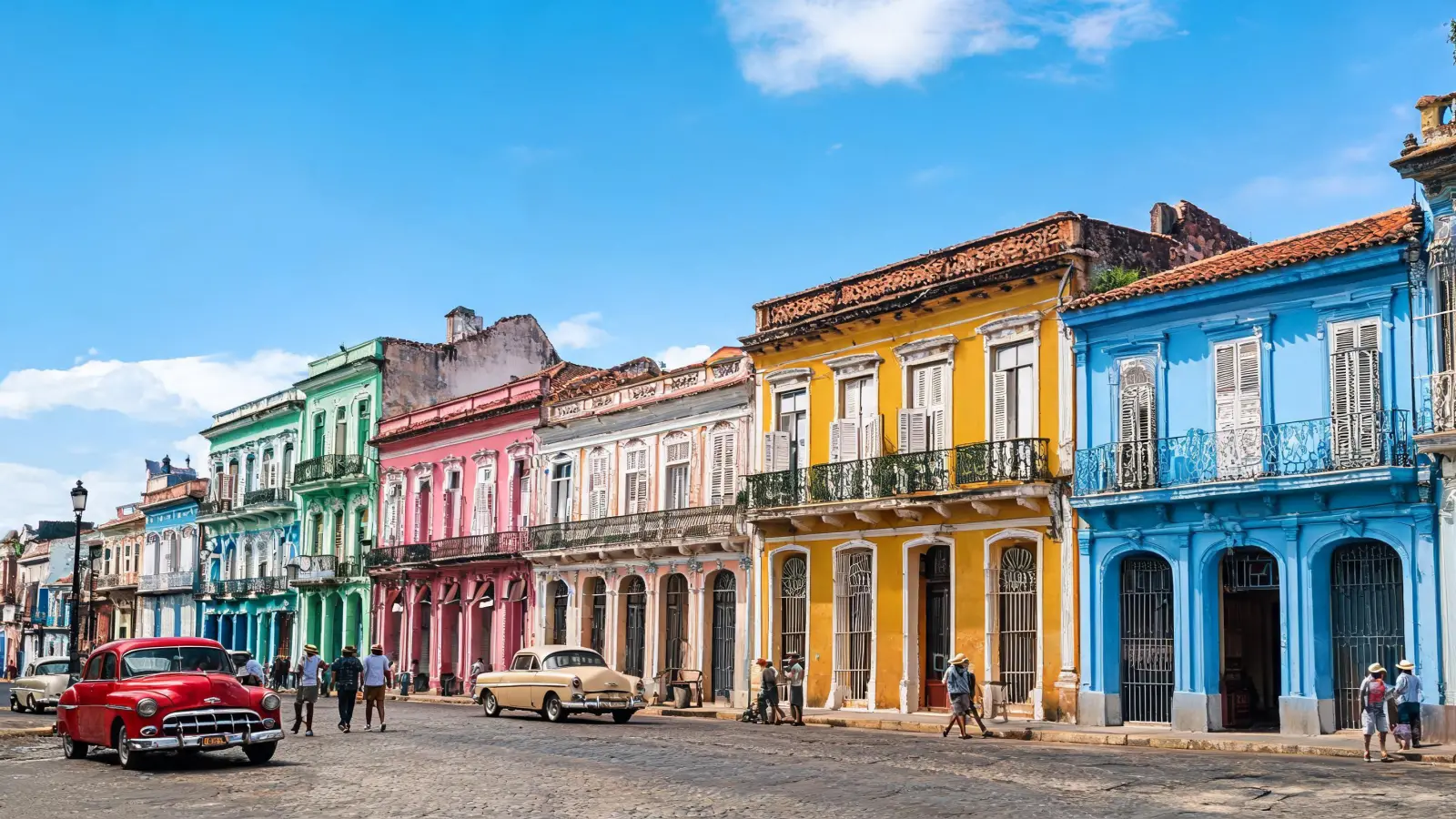
One-sentence conclusion: Havana isn't a "sightseeing" city — it's a "live-the-life" city. Keep your trip to 2 or 3 days, slow down to soak in the old town and the seawall, bring cash, prepare to be offline, and find a reliable Chinese-speaking driver-guide to avoid rip-offs and shady guides. That's the best way for ordinary Chinese travelers to enjoy a comfortable, hassle-free trip.
How many days to spend
Many people treat Havana as a Caribbean "check-in spot," rushing through in just one day, which wastes its most valuable asset — the atmosphere. Havana's core area is small, with main sights concentrated around Old Havana (Habana Vieja) and the Malecón seawall. The sights themselves can indeed be "covered" in a day, but the city's charm lies in its weathered colonial buildings, the salsa music on street corners, and locals drinking rum on the seawall at dusk — all of which take time to soak in.
A practical suggestion: 2 full days is enough to see the highlights of Havana alone; day 3 can be used for an in-depth classic car tour of the city or a short trip to the outskirts. If you're passing through from Varadero beach resort or Viñales Valley, 2 days for Havana is enough. If Havana is your only destination, 3 days will transform your experience from "rushing through sights" to "living a few days like a Cuban" — the difference is huge. Any longer and it becomes repetitive; it's better to allocate time to nearby areas.
Must-see attractions
Old Havana (Habana Vieja) and the Four Squares
The old town is a UNESCO World Heritage site and the soul of Havana. The smartest way to explore isn't to check off a list of sights, but to follow a route through the four main squares at a leisurely pace: Plaza de Armas (with its second-hand book stalls and old fortress), Plaza de la Catedral (home to the Baroque cathedral, a classic photo spot), Plaza Vieja (surrounded by colorful facades, great for photos, with open-air cafes), and Plaza de San Francisco (quieter, near the port). The pedestrian street Calle Obispo connecting the squares is the liveliest artery of the old town, near Hemingway's favorite bar, El Floridita (birthplace of the Daiquiri). Visit early morning or evening for softer light and fewer crowds.
El Capitolio and Central Park
The white-domed El Capitolio is Havana's most striking landmark, resembling the U.S. Capitol building. After renovation, it shines brightly and serves as a classic backdrop for classic car photos. Across Central Park (Parque Central) stands the ornate Gran Teatro de La Habana (home to the Cuban National Ballet). The area around Central Park connects old and new Havana and is a hotspot for classic car drivers soliciting rides — know your prices before negotiating.
Malecón Seawall
This coastal avenue stretches about 8 km and is Havana's "open-air living room." By day, watch waves crash against the wall; at dusk, it's the most beautiful moment in the city — the setting sun paints weathered old buildings gold, while locals sit on the wall playing guitar, chatting, or selling peanuts. For sunset, the Malecón is a must. Bring a bottle of rum or a freshly squeezed juice from a street vendor, sit down, and experience the most authentic Havana. Beware: when the waves are high, seawater splashes onto the road, so stay cautious on the seaside.
Plaza de la Revolución
Revolution Square is a political symbol of Cuba. The massive steel silhouette of Che Guevara on the Ministry of Interior building is practically Cuba's visual icon, and the nearby portrait of Camilo Cienfuegos is equally famous. The square itself is open and lacks shade, better for a quick photo stop than lingering. Usually combined with a classic car tour, it's a 10–15 minute stop.
Classic Car City Tour
Riding in a convertible 1950s American classic car (pink or mint green are the most popular) is practically a must-do in Havana. A typical route starts from Central Park, passes the Malecón, Revolution Square, and the Morro Castle area, taking about an hour. This is an experience, not transportation. Negotiate the price per car per hour, and clarify the route and total cost before getting in. Prices range roughly tens of dollars per hour, depending on negotiation. To avoid hassle and being overcharged, booking the car and driver in advance is safest.
Cigar Factory
Cuban cigars are world-famous. Historic factories like Partagás offer tours showing the hand-rolling process and explaining why a good cigar is so refined. Note that factory tours usually require advance booking, no photography inside, and opening hours can vary. Even if you don't take the tour, it's worth visiting official state-run cigar shops in the old town — they are the best way to distinguish real cigars from fakes and avoid buying counterfeit street cigars.
If you have time for nearby areas, Varadero offers white sandy beaches and is a top Caribbean resort destination, about 2 hours by car; Viñales Valley features unique karst limestone hills and tobacco fields, about 2.5 hours away. Both are suitable for a day trip by private car or an overnight stay.
Classic itineraries (1/2/3 days)
1-day highlights: Morning: the four squares of Old Havana + Calle Obispo; lunch at a restaurant in the old town; afternoon: El Capitolio and Central Park for photos, classic car tour (including Revolution Square); evening: Malecón seawall for sunset to wrap up. Tight but covers all landmarks.
2-day comfortable: Day 1: focus on the old town – stroll the squares, museums, Hemingway bars at a leisurely pace; Day 2: morning cigar factory tour or official shop + Revolution Square; afternoon classic car city tour; evening back to Malecón. Replace "rushing" with "wandering."
3-day in-depth: First two days as above; Day 3: a trip to the outskirts – Varadero for beaches, or Viñales Valley for natural scenery, by private car for a day return. This way you see both the city and another side of Cuba.
Transportation, currency, and costs
Currency is the easiest pitfall in Havana. Cuba's currency system is complex and has been volatile in recent years. It used to have a dual currency system (CUC for tourists and CUP for locals), then underwent unification and exchange rate adjustments. The black market rate can differ significantly from the official one. The key rule for tourists is simple: bring enough foreign cash. Euros and Canadian dollars are relatively preferred; US dollars can sometimes be exchanged at unfavorable rates due to historical reasons and policy changes. After arriving, exchange some local currency at official exchange booths (CADECA) or hotels. The exact exchange rate and available currencies must be confirmed on site. Never trust street touts offering high rates.
Local transportation: Regular taxis, coco taxis (yellow three-wheelers), and classic cars are all available, but almost always require haggling – agree on the total price before getting in. Classic car rentals are charged by the hour or per trip, suitable for city tours rather than commuting. For intercity travel to Varadero or Viñales, a private car is comfortable and hassle-free, or you can take the Víazul tourist bus (advance booking required).
First choice for accommodation: Casa Particular. These are Cuban family-run guesthouses licensed by the government. They are cheaper and more personable than hotels; hosts can often help arrange taxis, meals, and tours, providing valuable local information. There are many options in Old Havana and Vedado, with prices typically ranging from tens of dollars per night, higher during peak season, subject to on-site and platform actual prices.
Food, cigars, and rum
Cuban cuisine is simple – don't expect Michelin stars – but a few dishes are must-tries: classic roast pork, Moros y Cristianos (black beans and rice), and fried plantains. Seafood like lobster and shrimp is relatively affordable. Private restaurants (Paladar) are usually much better than state-run ones; there are plenty of well-reviewed small eateries in Old Havana and Vedado. Follow the locals queuing up – you can't go wrong.
For drinks, Havana is the birthplace of two classic cocktails: Mojito and Daiquiri. Hemingway's haunts (La Bodeguita del Medio and El Floridita) add to their legendary status. Cuban rum (Havana Club, etc.) and Cuban cigars are the two top souvenirs to bring home. Always buy from official state-run shops and keep the receipt – street vendors selling "cheap cigars" often sell fakes.
Pitfalls to avoid
Visa / Tourist Card: Most visitors need a tourist card (Tarjeta de Turista, commonly called a green/pink card) to enter Cuba. Obtain it through the airline, consulate, or an agency before departure. Make sure to arrange it before you go; getting one on arrival can be troublesome. Requirements vary by nationality and departure point, so verify the latest policy before traveling.
Very poor internet – plan ahead: Internet in Cuba is slow and expensive. Public WiFi is mostly available in squares and parks, requiring a prepaid card (ETECSA). Hotel rooms often have no internet. Download maps, accommodation addresses, itineraries, and emergency contacts offline before departure. Don't rely on real-time navigation or ride-hailing.
Cash is king – credit cards barely work: Due to sanctions and other reasons, most foreign bank cards (especially US-issued ones) don't work in Cuba, and ATMs are unreliable. Bring enough cash and store it in separate places. Budget generously – finding a working ATM is nearly impossible when you need one.
Rip-offs and shady guides: In tourist areas, many people approach you offering "free tours," "discount factory visits," or "great restaurants" – these are often scams leading to forced tips or hidden charges. Politely decline unsolicited offers from strangers.
Shortages of supplies: Cuba's economy faces difficulties; medicines, certain foods, and hygiene products are often in short supply. Bring common medications, sunscreen, and personal care items from home – don't count on buying them locally.
Should you hire a Chinese-speaking local guide / driver?
Havana is one of those destinations where "information asymmetry directly determines your experience." Spanish is the main language, English proficiency is low, the internet is too poor for on-the-go searching and translation, and tourist areas are rife with rip-offs, shady guides, and fake cigars – these factors combined create the perfect storm for Chinese independent travelers.
If you don't speak English or Spanish well and want peace of mind, hiring a reliable local Chinese-speaking guide or driver significantly reduces the risk of getting scammed: they know real exchange rates and negotiation prices, can recommend good Paladar restaurants and authentic cigar/rum shops, help you negotiate fair prices for classic cars and intercity transfers, and handle emergencies (no internet, exchanging money, buying medicine). It's not a "must," but it's certainly worthwhile for first-time travelers to Cuba who don't speak the language.
A word of caution: the biggest risk when hiring a local guide is encountering a bad one yourself. It's best to book through reputable channels, check qualifications and genuine reviews, and agree on the route and total price in writing. Platforms like Dijiexia, which work on a competitive bidding model, are well-suited for a scenario like Cuba – you post your needs (e.g., "2-day Chinese-speaking driver-guide in Havana + classic car city tour + Viñales day trip"), and local Chinese guides/drivers/translators bid for your job. You compare qualifications, reviews, and prices before finalizing. Before closing the deal, both parties' contact details are masked, and communication goes through the platform, effectively filtering out the risk of a bad guide upfront. Ultimately, whether to use such a service and whom to choose is up to you, based on your budget and needs.
FAQ
Q: Can I use Alipay, WeChat Pay, or credit cards in Havana?
A: Basically no. Cuba is almost entirely a cash society. Mobile payments don't work, most foreign bank cards (especially US-issued) cannot be used, and ATMs are unreliable. Be sure to bring enough foreign cash (euros and Canadian dollars are preferred) and store it in separate places. Budget generously rather than cutting it close.
Q: With such poor internet, how do I navigate and contact home?
A: Before departure, save offline maps, accommodation addresses, itineraries, and important contacts to your phone. Once in Cuba, you can buy ETECSA internet cards to use at WiFi hotspots, but the connection is slow and unstable – don't rely on being online all the time. Handle important communications when you have access.
Q: Where can I buy cigars and rum without getting fakes?
A: Only buy from official state-run shops or reputable stores, and keep the receipt. Street vendors, bars, and "friends' deals" for cheap cigars are extremely likely to be fakes. If unsure, the safest way is to have a trustworthy local Chinese-speaking guide accompany your purchase.