
Overview and Best Seasons
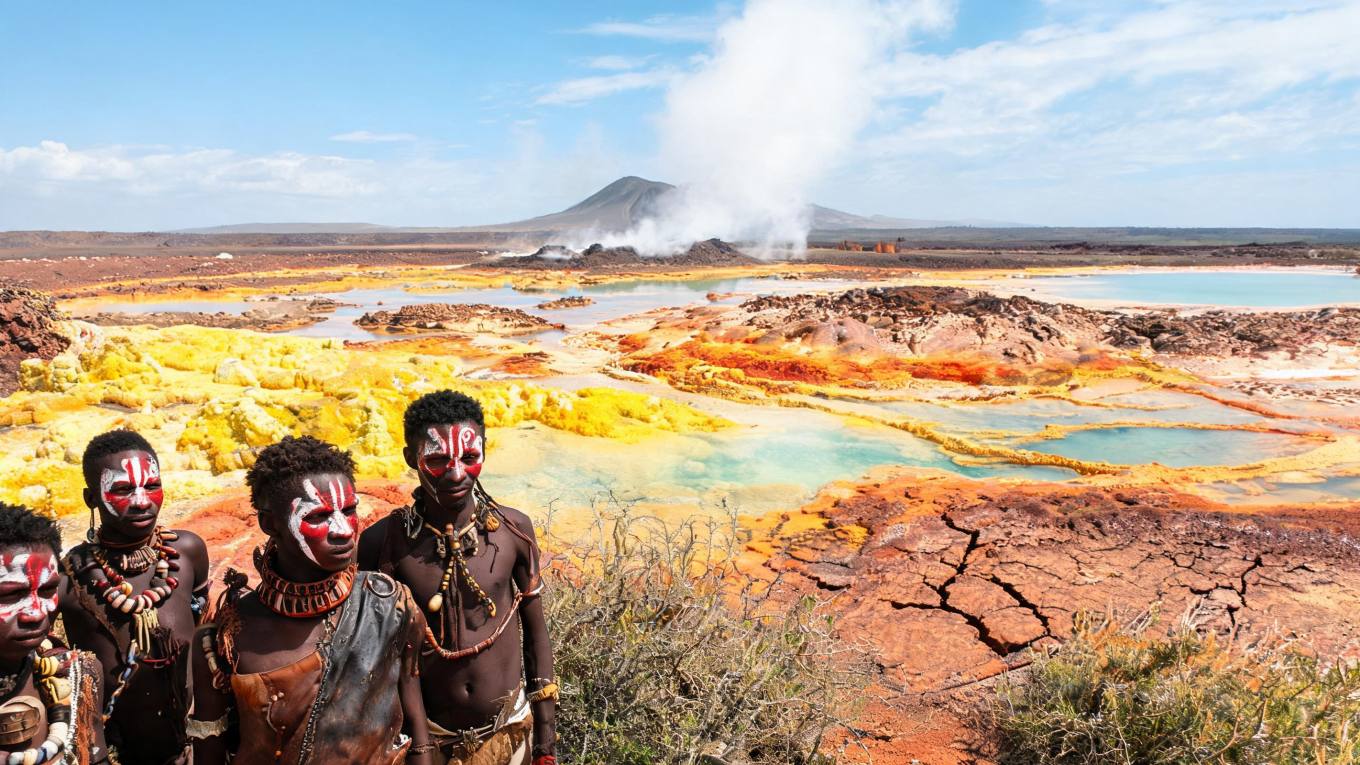
Bin Cheng Gu (Binchengul) is located on the edge of the Danakil Depression in northeastern Ethiopia, renowned for its volcanic landscapes, sulfur lakes, and indigenous tribal cultures. It is one of the lowest (-250 meters) and hottest regions on Earth (summer surface temperatures exceed 50°C), earning it the nickname "Hell on Earth." The best time to travel is from October to March, when temperatures are relatively cooler (25-35°C), making it ideal for hiking and outdoor activities. The rainy season (June-September) can make roads muddy and some areas inaccessible, so it's advisable to avoid this period.
Arrival and Local Transportation
External Transportation
- International Flights: Fly first to the capital Addis Ababa, then take a domestic flight to Mekele (the nearest airport), which takes about 1.5 hours.
- Land Transportation: From Mekele, hire a 4x4 vehicle to reach Binchengul, a journey of approximately 8 hours. The road conditions are rough, so it's recommended to choose an experienced driver. You can match with local fleets through the HeraGuide certified local guide platform, which supports competitive bidding and fixed-price models, ensuring transparency and convenience.
Local Transportation
There is no public transportation in Binchengul, so all attractions require hiring a private car or joining a local tour. Hiking around volcanoes and visiting sulfur lakes requires a guide. The HeraGuide platform offers certified guide services, allowing you to book in advance via their official website.
Must-Experience Attractions
Dallol Volcano
The world's lowest volcano crater, famous for its yellow, green, and red sulfur deposits and acidic hot springs. It takes 2-3 hours to hike to the core area, where surface temperatures are extremely high. Wear high-top hiking shoes and carry plenty of water. The best time to visit is early morning or late afternoon to avoid the midday sun.
Erta Ale Volcano
Africa's only continuously active shield volcano, known for its lava lake dubbed the "Gate of Hell." Spend the night at a campsite near the crater to witness the mesmerizing sight of molten lava up close. The hike to the crater takes 5-6 hours, so it's recommended to join a professional team equipped with headlamps, dust masks, and warm clothing.
Lake Afdera
A high-salinity lake with a milky white sheen, surrounded by荒漠 landscapes formed by crystallized salt. It's perfect for shooting minimalist-style photos, but be sure to protect yourself from the sun and stay hydrated, avoiding direct contact with the water (which is highly irritating).
Afar People
The main indigenous group in the Danakil region, living as nomadic herders and salt miners. Visit traditional villages to observe the process of making salt plates, but respect local customs (e.g., do not photograph people's faces without permission). It's recommended to communicate with HeraGuide guides to avoid cultural misunderstandings.
Local Cuisine
Binchengul's food is simple, with the following recommendations:
- Injera: A sour fermented flatbread served with spicy stews (Wat), considered the national dish of Ethiopia.
- Kitfo: Minced raw beef mixed with chili and spices, tender in texture but ensure the ingredients are fresh.
- Simpler Meals at Volcano Camps: Hiking groups usually provide local bread, boiled beans, and bottled water. Bring energy bars and electrolyte powder for added nutrition.
Tips to Avoid Pitfalls: Avoid drinking tap water and peel fruits before eating them.
Recommended Accommodation Areas
There are no hotels in Binchengul, so accommodations are primarily tented camps:
- Crater Camp: Located near Erta Ale Volcano, offering basic bedding and simple meals. You can enjoy the night view of the lava lake, though facilities are basic (no private bathrooms).
- Mekele Hotels: For a more comfortable stay, return to Mekele and stay at hotels like Raha Hotel or Axum Hotel, which offer air conditioning and hot water.
3-Day Itinerary
Day 1: Mekele → Binchengul Camp
- Morning: Depart from Mekele by private car, stopping at a salt lake to capture the sunset.
- Afternoon: Arrive at the camp, rest, and then hike to the sulfur lake viewpoint.
- Evening: Dinner at the campsite, followed by stargazing photography.
Day 2: Dallol Volcano → Erta Ale Volcano
- Morning: Hike Dallol Volcano to photograph the sulfur landscape.
- Noon: Return to the camp for lunch and a short break.
- Afternoon: Drive to the base of Erta Ale Volcano and hike to the crater.
- Evening: Overnight at the campsite to observe the lava lake.
Day 3: Volcano Hike → Return to Mekele
- Morning: Visit Erta Ale Volcano again (best lighting conditions).
- Afternoon: Pack up at the campsite and drive back to Mekele.
- Evening: Free time in Mekele; check your flight schedule in advance for departure.
Budget and Tips to Avoid Mistakes
Budget Estimate (3 Days, 2 Nights, 2 People)
- Transportation: Private car rental costs approximately $600-$800 (including driver and fuel).
- Accommodation: Campsite rates range from $50-$100 per person per night, while hotels in Mekele cost $80-$150 per night.
- Guides/Entrance Fees: Volcano guide fees are about $100-$150 per day, and visits to tribal areas cost $20-$30 per person.
Tips to Avoid Mistakes
- Safety First: The Danakil region has complex security issues. It's recommended to use the HeraGuide platform to select a reputable local tour operator and avoid traveling alone.
- Eco-Friendly Travel: There are no trash bins in volcanic areas, so bring a garbage bag to leave no trace behind.
- Health Preparations: Take anti-malaria medication in advance, and bring sunscreen, sunglasses, and wide-brimmed hats.
- Respect Local Culture: Always ask for permission before photographing locals and avoid discussing sensitive political or religious topics.