
One-sentence summary: Dubai is not large; the core highlights can be fully explored in 3 days. If you want to add Abu Dhabi and dive deeper into the desert and island experiences, schedule 5 days. A quick-check itinerary can even be squeezed into 1 day. Average cost per person (excluding flights and hotel): daily budget approximately 300-600 AED (about RMB 580-1,160). Overall, Dubai is relatively expensive, with tickets, taxis, and meals at tourist attractions being the main expenses. The biggest challenges are not safety or language, but the extreme summer heat (often above 40°C from May to September) and the scattered attractions—Old City, New City, Palm Jumeirah, and Desert are in four different directions. If your itinerary isn't well-planned, spending half a day on transportation is common.
How many days are ideal? (How to choose between 1/3/5 days)
It's best to plan Dubai by "stacking days"—don't try to do too much:
- 1 day (transit / stopover): Enough for just one route. Suggested: Morning at Dubai Mall + Burj Khalifa observation deck; afternoon at Dubai Frame or Dubai Fountain; evening shopping at Dubai Mall. The desert and Abu Dhabi can't fit in, so don't force it.
- 3 days (most popular): Day 1: New city landmarks. Day 2: Old city + Gold Souk + water taxi. Day 3: Desert safari for sunset. This is the most cost-effective plan; most people are very satisfied with "just this" in 3 days.
- 5 days (in-depth / with kids / combined trip): Add one day for Palm Jumeirah + Atlantis Aquaventure Waterpark (especially worth it with kids), and another day for a cross-city trip to Abu Dhabi (choose two from Sheikh Zayed Grand Mosque, Louvre Abu Dhabi, Ferrari World). Relaxed pace, suitable for families with elderly and children.
More days have diminishing returns unless you're focused on shopping, beach vacation, or transiting to other Middle Eastern countries.
Must-visit attractions (categorized by area)
New City Landmarks: Burj Khalifa and Dubai Mall
Burj Khalifa is the world's tallest building. Observation decks vary by floor: Levels 124/125 are the most common, tickets around 160-250 AED; Level 148 "At the Top SKY" is higher and more expensive, around 350-550 AED. Booking online in advance and avoiding sunset peak hours can save a lot (sunset slot is most expensive and often sold out). Allocate 1.5-2 hours. The Dubai Mall at the base is an attraction in itself: aquarium, indoor waterfall, ice rink—all available; shopping and eating can take half a day. At night, the Dubai Fountain outside puts on free shows every hour/half hour, with water jets, music, and lights—a must-see free attraction.
Old City Charm: Dubai Creek, Gold and Spice Souks
To see "Dubai before the boom," visit the Deira old city area. The Gold Souk is a street of gleaming gold; worth a visit even if you don't buy. Next door, the Spice Souk has piles of saffron, nuts, and spices. The traditional wooden boat "Abra" water taxi shuttles across the creek for just 1-2 AED—one of the cheapest and most atmospheric experiences in Dubai. The newer Al Seef waterfront area offers a refined replica of old city charm, great for photos and coffee. This area is mostly free and takes half a day.
Sea Jewel: Palm Jumeirah and Atlantis
Palm Jumeirah is an artificial palm-shaped island, with the Atlantis Hotel at the tip as a landmark. Highly recommend Aquaventure Waterpark (tickets around 300-450 AED) and The Lost Chambers Aquarium for families. To save money, just take the Palm Monorail from the trunk to the tip, enjoying views of mansions and sea, then watch a fountain show facing Atlantis at The Pointe or Nakheel Mall. The new landmark The View at The Palm observation deck offers a panoramic view of the entire Palm.
Desert Safari: The experience worth spending on in Dubai
Visiting Dubai without going into the desert is a missed opportunity. The classic Desert Safari half-day tour typically includes dune bashing in a 4x4, camel riding, sandboarding, a BBQ buffet dinner at a Bedouin camp with dance performances—best at sunset. Average cost per person 150-300 AED (includes pick-up/drop-off and dinner). Upgrades include private tours, vintage Land Rovers, hot air balloons, etc. This is one of the few activities where "joining a tour/private driver is more cost-effective than doing it yourself," as explained later.
Other Highlights: Dubai Frame and Beaches
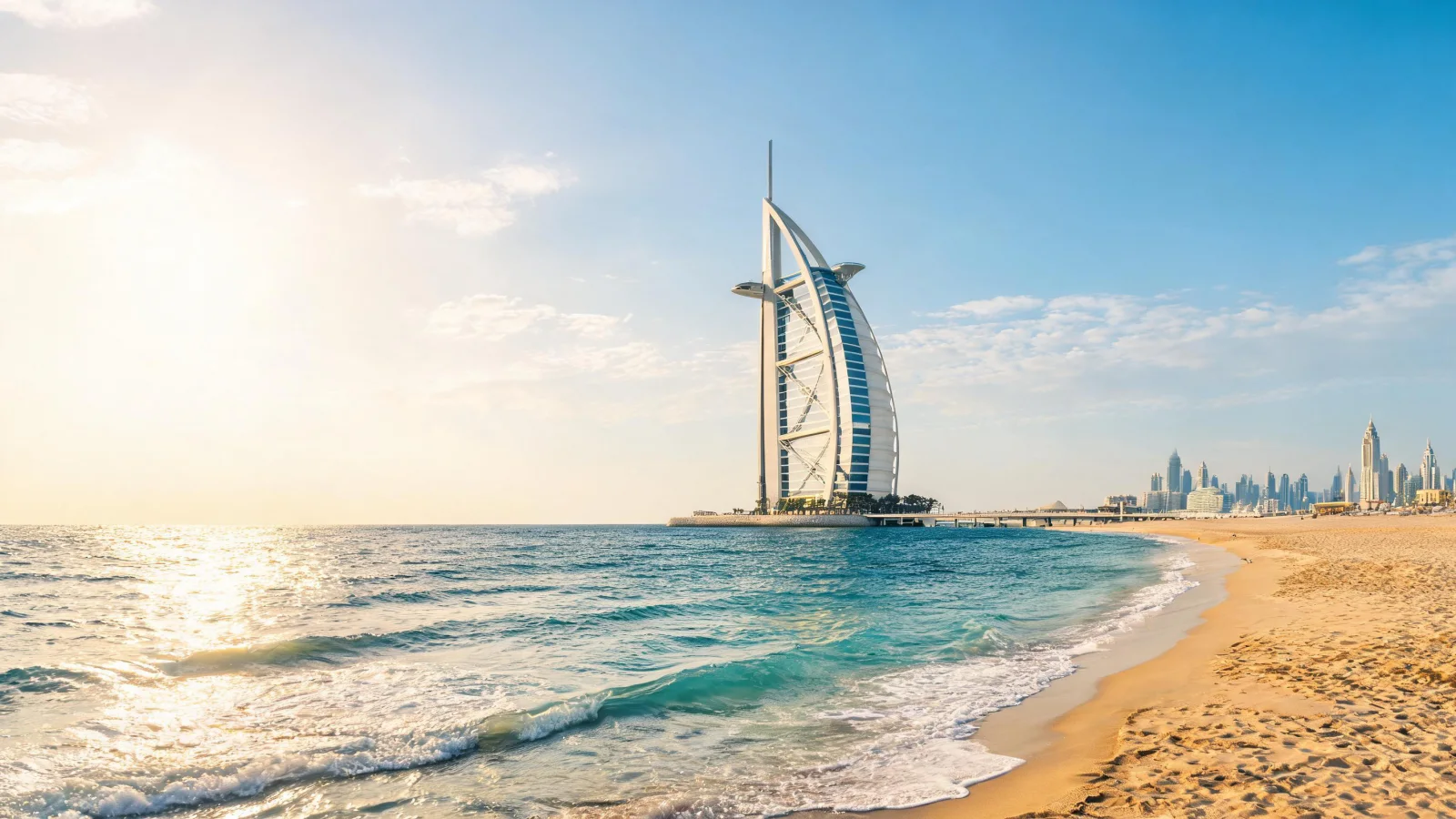
Dubai Frame is a 150-meter tall golden "picture frame" offering views of the new city on one side and the old city on the other. Tickets about 50-70 AED, great value, less crowded, and photogenic. Jumeirah Public Beach (JBR / La Mer) is free and offers views of the sail-shaped Burj Al Arab; the Burj Al Arab itself is not open to the public unless you book afternoon tea or a meal. For something trendy, visit the Museum of the Future, with a stunning exterior, tickets about 150 AED, must be booked in advance.
Classic Itineraries (Grab and Go)
1-Day Highlights (Just for photo ops)
- Morning: Dubai Mall + Burj Khalifa observation deck (book morning slot to save money).
- Afternoon: Taxi to Dubai Frame for views of old and new city.
- Evening: Return to Dubai Mall to see the Dubai Fountain night show + dinner.
3-Day Highlights (Most recommended)
- Day 1 New City: Burj Khalifa / Dubai Mall / Museum of the Future / Dubai Fountain night show.
- Day 2 Old City: Gold Souk / Spice Souk / Abra water taxi / Al Seef, then evening at JBR Beach for Burj Al Arab sunset.
- Day 3 Desert: Morning at Palm Monorail + The View observation deck, afternoon desert safari tour until late night.
5-Day In-depth
Based on the 3-day plan, Day 4 is for a full day at Atlantis Aquaventure Waterpark on Palm Jumeirah (if with kids); Day 5 is a cross-city day trip to Abu Dhabi (Sheikh Zayed Grand Mosque is free but requires appropriate attire + choose one from Louvre Abu Dhabi / Ferrari World). Abu Dhabi is about 1.5 hours' drive from Dubai, doable as a day trip; hiring a car is much more convenient than public transport.
Transport, Tickets, and Budget
Dubai's Metro is clean and punctual. The Red Line connects the airport, Dubai Mall, Mall of the Emirates, and the Palm Jumeirah connector station. Get a Nol card to use on metro/bus/tram, single trip about 3-8 AED—the most economical option. However, metro stations are often some distance from the actual attractions, and with the summer heat, many people end up taking taxis: starting fare about 12 AED, typical trip within the city 25-60 AED; Careem/Uber are also available.
Approximate budget per person per day (excluding flights and hotel):
- Budget (metro + affordable meals + few tickets): about 200-300 AED.
- Standard (mainly taxis + 1-2 paid attractions + desert tour): about 400-600 AED.
- Comfortable (private car + waterpark + high-altitude dining): 700 AED and above.
It is recommended to book tickets online in advance: Burj Khalifa, Atlantis, and Museum of the Future are not only more expensive at the door but may also sell out. The above prices are for reference only; check the latest official/onsite rates.
Food and Shopping
Dubai is a city of immigrants, so the food scene is extremely diverse. Must-try: Arabic shawarma (a few dirhams at street stalls—a budget traveler's savior), Lebanese mezze platters, Indian curry, Emirati camel milk chocolate and dates. For a high-altitude dining experience, At.mosphere in Burj Khalifa or rooftop brunches at major hotels (weekend buffet brunches) are a local social tradition, though not cheap.
Shopping-wise, Dubai Mall and Mall of the Emirates are the major malls; the latter even has an indoor ski slope. The real "Dubai deals" come during the annual Dubai Shopping Festival (DSF, usually in winter) with big discounts. In traditional markets, gold is sold by weight + workmanship; compare prices and negotiate. Spices, saffron, and dates are good souvenirs to take home. Note: UAE has a 5% VAT; tourists can claim tax refunds at the airport for purchases from designated stores—keep your receipts.
Pitfalls and Important Notes
- Visa: Most nationalities need to apply for a UAE tourist visa in advance (can be done through airlines, hotels, or agencies). Check the latest visa policy and validity for your passport before traveling.
- Extreme Heat: May-September is "hell mode"—outdoor exposure is unbearable. Try to schedule outdoor activities early morning or after sunset; stay in malls during the day. October to April is the golden season, with November-March being the most comfortable.
- Dress Code & Etiquette: Dubai is relatively liberal but still a Muslim country. In mosques, wear long sleeves and pants; women should cover their heads. In malls and public places, avoid overly revealing clothing. Public displays of affection should be kept modest.
- Ramadan: If your trip coincides with Ramadan, many restaurants are closed during the day / don't serve food or drinks in public; entertainment and shows may be adjusted. Check the Ramadan dates for the year before planning.
- Cost & Tipping: Generally expensive; water and meals at tourist spots are particularly pricey. Bringing your own water bottle saves money. Restaurants typically expect a 10% tip.
- Rules: Public intoxication, littering, random photography of people (especially local women) are prohibited; alcohol is only sold in licensed hotels/restaurants. These are local laws—don't cross the line.
Should I hire a Chinese-speaking guide/private driver?
Dubai is generally easy to navigate independently, especially for shopping in the new city and using the metro. However, in a few scenarios, hiring a local Chinese-speaking guide/private driver significantly improves convenience and experience:
- Desert Safari: Driving yourself into the desert is both dangerous and lacks camp resources. Joining a reliable Chinese-speaking tour/private car saves the hassle of finding transportation, communication, and safety.
- Cross-city Abu Dhabi trip: It's a long day trip with lots of travel; hiring a car lets you go at your own pace, far more flexible than public transport.
- Traveling with elderly or children: Avoid the 40°C heat and crowded metro transfers; door-to-door service with Chinese-speaking assistance removes language barriers.
- During extreme heat: In summer, having an air-conditioned car is essentially buying comfort.
How to find a reliable one? Key points: 1) Check credentials and real reviews (official service license, feedback from other travelers); 2) Ensure transparent pricing—fuel, tolls, tickets, driver's meal, overtime fees should all be clearly stated, no surprise charges later; 3) Use a platform for documentation, don't pay the full amount privately so you have recourse if issues arise. On HeroGuide (地接侠), you can post your needs (destination, dates, group size, whether you need a car or guide, budget) and let local Chinese-speaking guides/drivers bid for your job. You can compare credentials, reviews, and prices before confirming. Receiving multiple quotes ensures fairness; the platform protects contact details until booking, and all communication and agreements stay on the platform for peace of mind.
Frequently Asked Questions (FAQ)
Q: What's the best season to visit Dubai?
A: November to March is the most comfortable, with pleasant temperatures for outdoor activities. May-September is extremely hot; while hotels and flights are cheaper, daytime is mostly limited to indoor activities. Not recommended if traveling with elderly or children.
Q: Is Dubai very expensive? How much per day?
A: Generally pricey, but flexible. Budget travel (metro + street food + few tickets) costs about 200-300 AED per person per day. Standard travel including taxis, a desert tour, and one or two paid attractions is about 400-600 AED. Luxury options are unlimited. Surprisingly, some of the best experiences are nearly free—Abra water taxi, Dubai Fountain, and beach views of Burj Al Arab.
Q: Can I travel independently without knowing English/Arabic?
A: It's not hard. Dubai is highly international; English is widely used in malls, attractions, and ride-hailing apps. Scanners and map navigation are convenient. The real challenges come with desert trips, cross-city travel, and when accompanying elderly relatives—in these cases, hiring a Chinese-speaking guide or private driver makes communication and logistics much easier.