
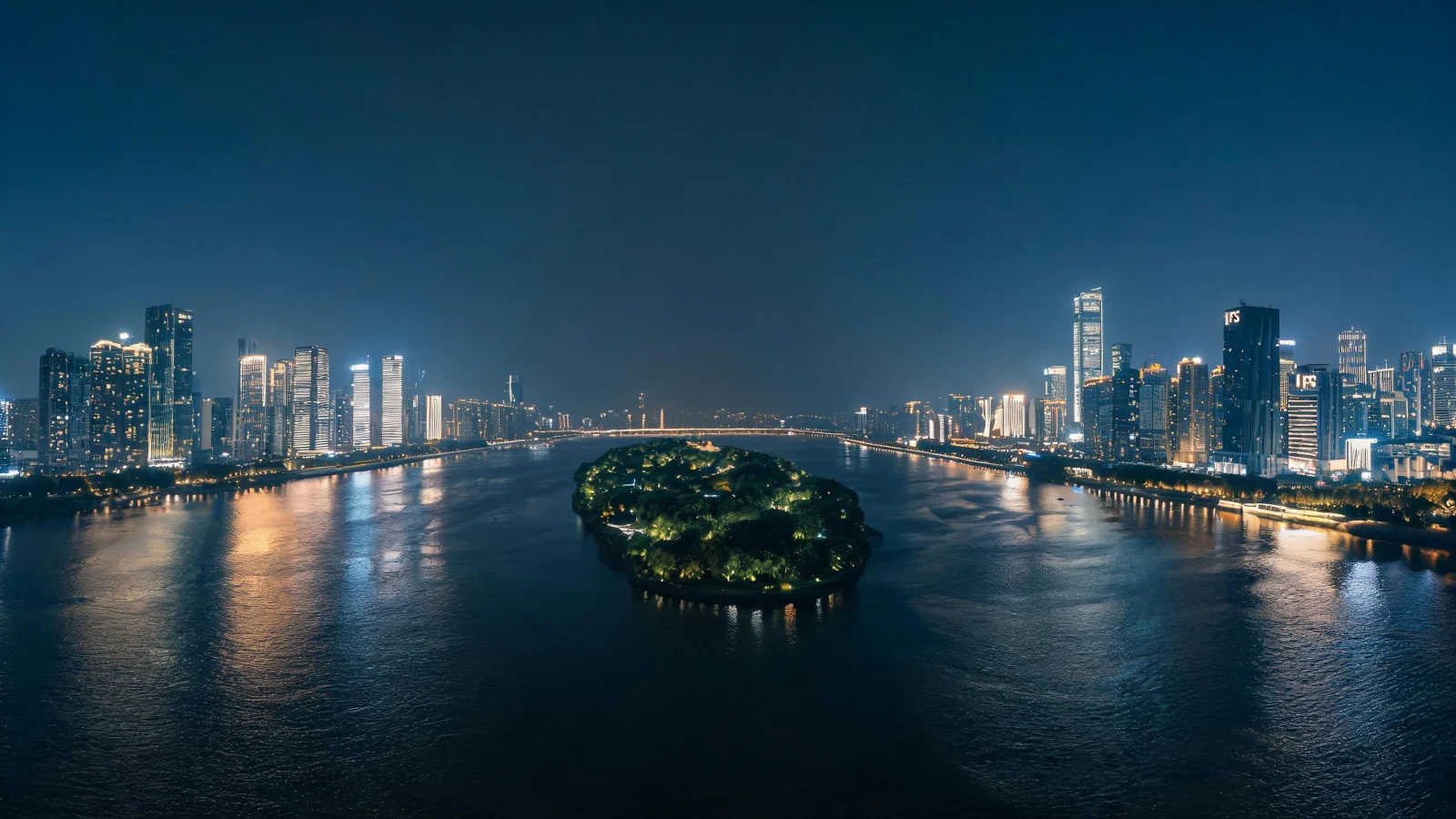
One-sentence verdict: Changsha is China's undisputed "capital of food and nightlife." By day, climb Yuelu Mountain, stroll Orange Island, and visit the Hunan Provincial Museum to soak up culture. At night, dive into Taiping Street and Super Wenheyou, working your way through stinky tofu, spicy crawfish, sweet glutinous rice balls (tangyuan), and Sexy Tea — the city's true soul comes alive in the smoky, bustling atmosphere that ignites after dusk.
How Many Days to Stay
Changsha's core attractions are clustered and connected by metro, offering flexible itineraries.2 days is enough to complete the "culture + food" mainline covering Orange Island, Yuelu Mountain, Hunan Provincial Museum, and Wuyi Square commercial area — perfect for a weekend. 3 days leaves one day for a suburban trip to Shaoshan (Mao Zedong's hometown), Tongguan Kiln, or Jinggang Ancient Town at a more leisurely pace. For international travelers, 3 days is recommended: Changsha's essence lies in "eating slowly, strolling slowly"; rushing through won't let you taste the flavor.
Must-Visit Attractions
Orange Island Head (Young Mao Zedong Statue / Weekend Fireworks)
A narrow sandbar in the middle of the Xiangjiang River, with a massive statue of young Mao Zedong at its head — it's a symbol of Changsha. Free admission. The island is long, so it's best to take the sightseeing tram (about 20 yuan/person, subject to on-site pricing) round trip. The biggest highlight is the Xiangjiang River fireworks on weekend evenings (mostly Saturday nights during peak season; schedules confirmed by official announcements). Stake out a spot an hour in advance for a good view. Allow 2–3 hours for a visit.
Yuelu Mountain · Yuelu Academy · Aiwanting Pavilion
Located on the west side of the city, Yuelu Mountain offers free admission. Hidden within are the millennium-old Yuelu Academy (separate ticket about 40–50 yuan, subject to on-site pricing) and Aiwanting Pavilion, named after Du Mu's poem line "I stop the carriage to sit and admire the maple grove at dusk." In autumn, the scarlet maple leaves covering the mountain create stunning scenery. You can hike up or take the cable car (one-way about 30 yuan, subject to on-site pricing). The academy is key to understanding Huxiang culture. Allow half a day for a visit.
Taiping Street and Pozijie Street
Taiping Street is Changsha's best-preserved ancient neighborhood, lined with Jia Yi's Former Residence, time-honored snack shops, and creative stores. Adjacent Pozijie Street is home to the main branch of "Huogongdian" (Fire Temple) and is a living fossil of Changsha's street food scene. Both are free to enter. Ideal for a dusk stroll-and-eat experience — here is where you begin to taste the city's everyday vibrancy. Allow 2–3 hours to explore and eat.
Super Wenheyou and Wuyi Commercial Zone
"Super Wenheyou" transforms an entire building into a replica of old Changsha from the 1980s, with neon signs and stacked staircases — it's a phenomenal internet-famous landmark. Free admission (food and drinks are paid separately). It sits at the heart of the Wuyi Commercial Zone, Changsha's most bustling business hub and nightlife engine. Wenheyou is perpetually crowded; holidays can see hundreds of tables waiting. Be sure to get a number early or visit during off-peak hours.
IFS International Finance Square and Guojin Street
An upscale landmark in the Wuyi Commercial Zone, the IFS rooftop features the famous KAWS sculpture "Seven-Floor Doll," a popular photo spot. The underground Guojin Street houses trend brands and restaurants. Public areas for sightseeing are free to enter. Great for shopping and panoramic skyline views — a visual contrast to Wenheyou's down-to-earth vibe.
Hunan Provincial Museum (Mawangdui, reservation required)
A top-tier national-level museum in Hunan, free but requires advance online real-name reservation (via official WeChat account or mini-program; foreign visitors should use their passport for booking — slots are tight, so book a few days in advance). The museum's crown jewels are the mummified remains of Lady Xin Zhui from the Mawangdui Han tombs and the plain silk gown, a 2,000-year-old silk garment as light as smoke. Allow 2–3 hours; it's best to visit in the morning.
Suburban: Shaoshan
About 100 km from Changsha, Mao Zedong's hometown includes his former residence, a bronze statue square, and a memorial hall. Core sites are free but require reservations (subject to official regulations). You can take an intercity train or hire a car, taking about 1.5–2 hours one way. For a thorough visit, plan a full day; hiring a car or taking a day tour is more convenient.
Classic Itineraries (2-Day / 3-Day Food & Fun)
Day 1 (Culture + Nightlife): Morning: Hunan Provincial Museum to see Mawangdui → Afternoon: Orange Island Head → Evening: Stroll and eat on Taiping Street → Night: Wuyi Commercial Zone, Super Wenheyou (get a number early) + Sexy Tea. On weekends, try to catch the Orange Island fireworks.
Day 2 (Nature + Academy + Shopping): Morning: Yuelu Mountain, Yuelu Academy, Aiwanting Pavilion → Afternoon: Walk around Hunan University → Evening: IFS for KAWS photo, Guojin Street shopping → Night: Pozijie Street for spicy crawfish supper.
Day 3 (Suburban, optional): Hire a car or take an intercity train for a day trip to Shaoshan; if time permits, also consider Jinggang or Tongguan Kiln Ancient Town for a slower pace of life by the Xiangjiang River.
Transport, Tickets & Costs
Metro is well-developed: The network covers almost all core attractions including Wuyi Square, Orange Island, Yuelu Mountain, and the Hunan Provincial Museum. Single tickets cost 2–7 yuan. You can scan Alipay or WeChat to ride; international visitors can also activate a transit code on the international version apps.
Airport transfers: Huanghua International Airport has a maglev express line directly connecting to Changsha South Railway Station (about 20 minutes, about 20 yuan, subject to on-site pricing), then switch to the metro to reach the city — more reliable and less traffic than taking a taxi. The metro airport line is also operational.
Tickets & costs: Core attractions like Orange Island, Yuelu Mountain, Hunan Provincial Museum, Wenheyou, and IFS are free to enter. Paid items mainly include Yuelu Academy, cable cars, sightseeing trams, and food. The local currency is RMB, and mobile payments are nearly universal. A daily average of 300–500 yuan per person for fun and food (excluding accommodation) will let you enjoy fully; all prices are subject to official/on-site rates.
Food: The True Star of Changsha
Coming to Changsha without eating is like not coming at all. A few must-tries:
Stinky tofu (chou doufu) — black, crispy on the outside, tender inside, drizzled with chili garlic juice — "smells funky, tastes fantastic." The most classic versions are at Huogongdian and Taiping Street.
Spicy crawfish (麻辣小龙虾) — the king of Changsha's late-night snacks, bright red and fiery, best enjoyed on summer nights with beer. The most authentic places are on Pozijie Street and at major night market stalls.
Sweet glutinous rice balls (tangyuan) — glutinous rice balls deep-fried and coated in caramel, crispy outside, chewy inside, sweet but not cloying. A cheap street dessert at a few yuan per serving.
Sexy Tea (茶颜悦色) — the trendsetting national-style milk tea brand born in Changsha. "Youlan Latte" and "Shengsheng Oolong" are signature drinks. There's a branch in nearly every commercial district, and lines are always long. Local various trendy milk tea shops (like Guoyaya, fresh fruit teas) are also worth trying — Changsha is truly a city of new-style tea drinks.
Other items include steamed fish with chopped chili, snail in chili sauce, and spring onion cakes. It's best to order small portions of many dishes. For international travelers not used to spicy food, clearly say "mild/no spicy" when ordering — most shops can adjust.
Practical Tips & Pitfalls to Avoid
Get a number early at internet-famous spots: Super Wenheyou and popular crawfish restaurants use a "call number" queuing system, and wait times can be hours during meal times. The trick is: get a number as soon as you arrive in Changsha, go explore elsewhere, and come back when your number is called. Alternatively, avoid weekends and the 18:00–20:00 peak hours.
Sexy Tea off-peak strategy: The queues at core commercial district branches are extreme. Find a slightly out-of-the-way branch, or go in the morning or late afternoon to save a lot of time.
Nightlife and rest balance: Changsha "gets livelier the later it gets," but staying up all night will leave you too tired to climb Yuelu Mountain the next day. Pace yourself and avoid staying up late every night.
Orange Island fireworks: Weekend shows are extremely crowded. Check official schedules in advance and grab a spot along the river. After the show, traffic becomes a mess, so be prepared to queue.
Extra tips for international travelers:
· Visa & visa-free: China offers unilateral visa-free and transit visa-free policies for some countries. Whether you qualify, the duration, and ports of entry are subject to the latest official Chinese announcements — be sure to verify before traveling.
· Passport for real-name registration: Attraction reservations, ticket purchases, and hotel check-in all require real-name passport information. Carry your original passport at all times.
· Mobile payments: Alipay and WeChat international versions already support linking overseas bank cards. It's recommended to activate them before landing, as almost all spending in Changsha relies on QR code scanning.
· Navigation & language: English signage at attractions and metro stations is limited. Download offline maps and translation apps in advance, and save screenshots of destination Chinese names to show when asking for directions or to a driver.
Should You Hire a Local Guide or Car Service?
Domestic independent travelers: The city metro is convenient enough that you usually don't need to hire anyone. But car service / guide is worthwhile in two scenarios — heading to Shaoshan or other suburbs, where transfers take time — a day-return car trip is more relaxing; or when your itinerary is tight and you want to pack in many stops in one day, or you want a local to take you to authentic eateries and avoid tourist traps — a guide's "hidden route" experience is completely different.
International travelers visiting China: When language is a barrier, an English-speaking local guide or bilingual driver-guide can solve a whole string of problems: translating menus, getting numbers for popular restaurants, museum reservations, passport-based ticket purchases and hotel check-ins — smoothing out language and payment friction to the minimum.
For either type, you can directly post your needs on Dijiexia (like "June 3 days Changsha + Shaoshan, 2 people, need Chinese-English bilingual driver-guide"), and let local guides or driver-guides actively bid with quotes. Compare qualifications, reviews, and prices before confirming — much more transparent and controllable than going through scalpers or expensive travel agencies.
FAQ
Q1: What's the best time to visit Changsha?
Spring and autumn are most comfortable (April–May, September–November), especially October–November when Yuelu Mountain's red maples are at their peak. Summer is hot and humid but it's peak season for spicy crawfish and nightlife; winter is cold and damp — bring warm clothes.
Q2: I can't handle much spicy food. Will I survive in Changsha?
Yes. Changsha cuisine is spicy, but if you proactively say "mild/no spicy" when ordering, most shops can adjust. Sexy Tea, sweet glutinous rice balls, and dessert milk teas are completely non-spicy, and there are also Cantonese and Western food options.
Q3 (International tourists): I don't speak Chinese and don't have a Chinese bank card. Can I still enjoy Changsha smoothly?
Yes. Alipay and WeChat international versions support linking overseas bank cards. Metro, dining, and attractions basically all accept QR code payments. Bring your passport for reservations and check-ins. Download offline maps and translation apps. For an even smoother trip, hire a bilingual driver-guide or find an English-speaking guide on Dijiexia.