
One-sentence conclusion: The core cost of a free-and-easy trip to Cairo isn't entrance fees—it's "transportation + avoiding scams." Ticket prices for attractions like the pyramids and museums total around 700–1,000 Egyptian pounds per person per day (about 100–150 RMB), but hiring a car with a driver or a reliable Chinese-speaking local guide often determines how tired you get and how much you get ripped off. Including food and accommodation, a 3-day trip to Cairo costs roughly 1,500–3,000 RMB per person (excluding international flights), giving you a solid experience.
How many days to spend?
Cairo's attractions are concentrated in three areas: the Giza Plateau (pyramids), the city center (Egyptian Museum + Grand Egyptian Museum GEM), and Old Cairo with the Islamic district (Khan el-Khalili, Citadel of Saladin). If you just want to "check off the pyramids," one full day is barely enough; but Cairo's depth lies in the museums and old city—rushing through would be a pity.
My advice: 2–3 days purely in Cairo is the sweet spot. In 2 days, you can cover the Giza Pyramids, both museums, and Khan el-Khalili; adding a 3rd day lets you include the Citadel and Old Cairo, or a trip to nearby Saqqara and Memphis (the "predecessors" of the pyramids, with fewer crowds and great photo ops). If you also want to visit the Valley of the Kings in Luxor or go diving in Hurghada/Sharm el-Sheikh on the Red Sea, those are separate itineraries, typically adding 2–3 days each. This article only covers Cairo and its standard nearby areas.
Must-see attractions
Giza Pyramids and the Sphinx
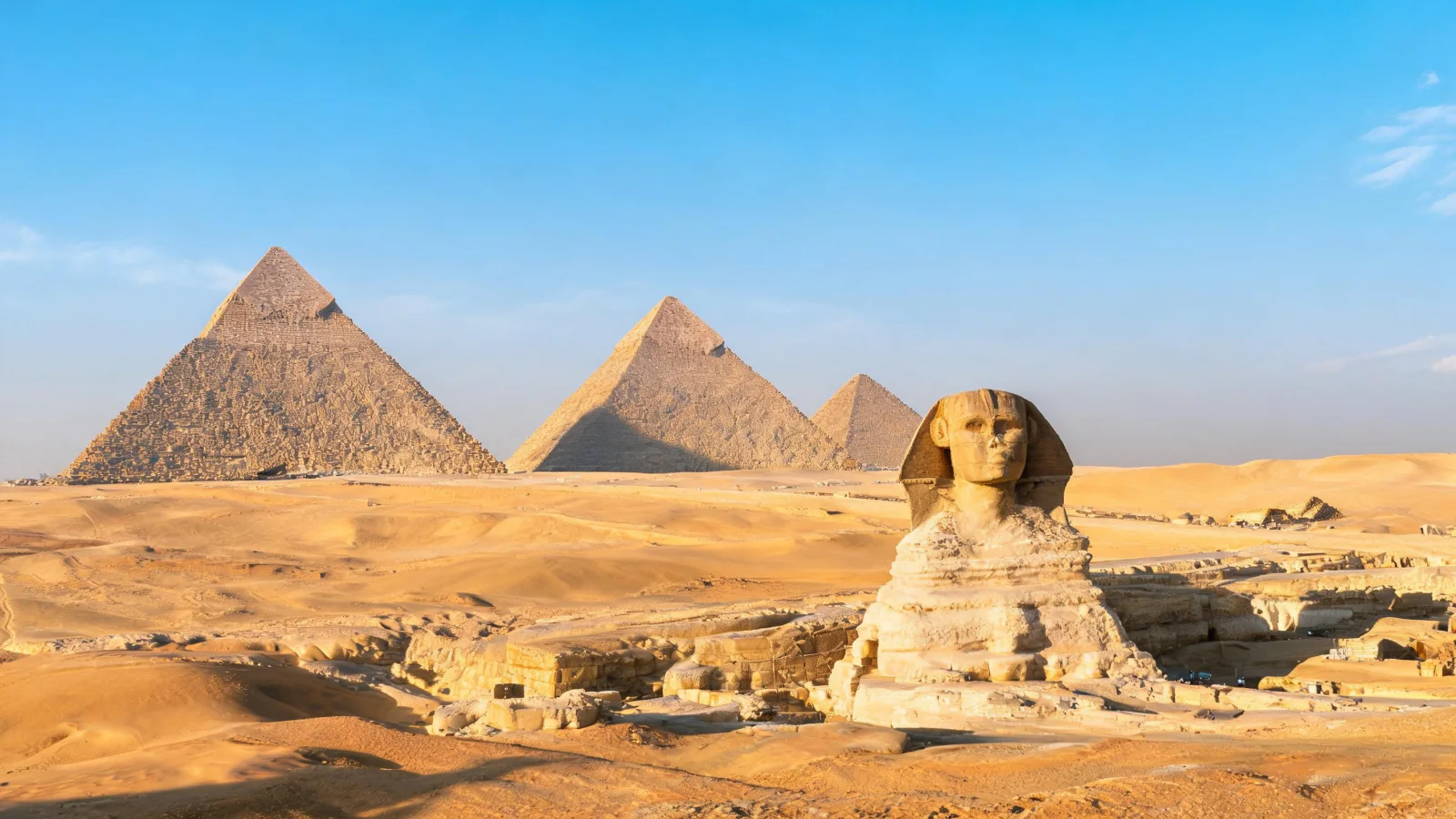
The three main pyramids (Khufu, Khafre, Menkaure) plus the Sphinx are the sole reason many people come to Egypt, and they are truly breathtaking. The plateau is vast and walking under the sun is intense; there are shuttle buses and horse/camel rentals inside. Entering the Great Pyramid requires a separate ticket; the interior is a narrow, stuffy passage leading to an empty burial chamber—those with claustrophobia or low stamina should think twice. The best angle to view the Sphinx is from the "Valley Temple" right in front of it. There's also a sound and light show in the evening (extra charge). It's best to arrive right when it opens in the morning to avoid the midday heat and tour groups.
Egyptian Museum / Grand Egyptian Museum (GEM)
This is the most underestimated place in Cairo, yet the one that deserves the most time. The old "Egyptian Museum" near Tahrir Square has an astonishing density of artifacts, offering an up-close, vintage-feel experience with mummies and the golden mask of Tutankhamun. The newly built "Grand Egyptian Museum" (GEM) in Giza is a huge, modern museum that has been opening in phases in recent years. Tutankhamun's complete funerary collection is gradually being moved here. The architecture and circulation are contemporary, and it's very close to the pyramids, making it easy to combine with the Giza Plateau on the same or adjacent days. The two museums have divided collections; check before your trip which museum currently houses Tutankhamun's golden mask, and decide which to focus on to avoid running back and forth.
Old Cairo and Khan el-Khalili
Khan el-Khalili is a centuries-old bazaar filled with copperware, spices, lamps, papyrus, souvenirs—vibrant atmosphere like a movie set. The nearby El Fishawy café is worth a stop for a glass of mint tea while people-watching. This is also a hotspot for overcharging and "enthusiastic hawking." Marked prices are basically "starting prices"—not bargaining is like throwing money away (more below). Old Cairo (Coptic Cairo) also features the Hanging Church and Ben Ezra Synagogue, showing another layer of Cairo beyond Islam.
Citadel of Saladin
The Citadel perches on a hill, offering a commanding view of Cairo's skyline and countless mosque minarets. Inside, the Mohamed Ali Mosque (Alabaster Mosque) is extremely ornate and one of Cairo's most iconic buildings. Entering the mosque requires removing shoes, and women must cover their heads; dress modestly. This area, combined with Old Cairo, can fill half to a full day.
Nearby: Memphis / Saqqara
About 30–40 minutes south of Giza lies Memphis, the earliest capital of ancient Egypt, and Saqqara. The "Step Pyramid" (Pyramid of Djoser) at Saqqara is older than the Giza pyramids and considered the prototype of the pyramid. The Memphis Open-Air Museum features a huge reclining statue of Ramesses II. This route has noticeably fewer tourists, ideal for history buffs wanting to avoid crowds. You'll typically need to hire a car (public transport is very inconvenient).
Classic itineraries (1 / 2 / 3 days)
1-day highlights (tight schedule): Early morning Giza Pyramids + Sphinx (~3–4 hours) → lunch → Grand Egyptian Museum GEM (nearby) → evening at Khan el-Khalili for shopping and dinner. Full day; only feasible with a hired car for transfers.
2-day comfort: Day 1: Giza Pyramids + GEM. Day 2: Old Egyptian Museum at Tahrir Square → Citadel of Saladin + Mohamed Ali Mosque → Khan el-Khalili and Old Cairo; evening dinner by the Nile or a short boat ride.
3-day in-depth: Add on Day 3: Saqqara Step Pyramid + Memphis, then return to Old Cairo for churches and synagogues, or leave half a day free for souvenir shopping or relaxing by the river. 3 days is the sweet spot for "seeing it all" without rushing.
Tickets, transportation, and costs
The following are general ranges; prices can vary significantly with peak season and official adjustments. Always check the official daily price at the site. RMB estimates are rough conversions at recent rates (~1 RMB ≈ 7 Egyptian pounds) for reference only.
- Giza Pyramids entrance: Approx. 540–700 Egyptian pounds (~80–100 RMB); entering the Great Pyramid, using the on-site shuttle/electric cart, sound & light show are all extra.
- Grand Egyptian Museum GEM / Old Egyptian Museum: Approx. 200–550 Egyptian pounds each (~30–80 RMB); mummy hall and special exhibits may require separate tickets.
- Citadel of Saladin: Approx. 450 Egyptian pounds (~65 RMB).
- Saqqara / Memphis: Approx. 200–450 Egyptian pounds each (~30–65 RMB).
Transport is the biggest variable in cost and convenience in Cairo. For city rides, strongly recommend ride-hailing apps like Uber or local Careem—fixed pricing, on the platform, avoiding taxis that "don't use the meter" and take detours. A one-way ride from downtown to Giza typically costs tens to over a hundred Egyptian pounds. However, for connecting attractions and visiting nearby places like Saqqara/Memphis (where public transport is terrible), the most cost-effective and hassle-free option is to hire a car with a driver (half/full day). A full day including driver runs roughly a few hundred to over a thousand Egyptian pounds, charged per car not per person—great value split among 2–4 people, saving you from repeatedly calling cars, waiting in the sun, and negotiating with hawking drivers.
You must understand the tipping culture (baksheesh). In Egypt, tips are expected for almost any service: carrying bags, giving directions, guarding a spot, taking photos, storing shoes at mosques… someone may ask for baksheesh. Keep a stack of small Egyptian pound notes (5, 10, 20) handy. Give graciously when you want, and firmly politely say "no" when you don't. If someone forces "help" and then demands payment, you can give a symbolic small amount or simply refuse—the initiative is always yours.
Food and shopping
Cairo's street food is characterful: Koshary is a national staple—rice, macaroni, lentils, chickpeas, fried onions with tomato vinegar sauce—big bowl, cheap, and filling. Ful (mashed fava beans) and Ta'meya (Egyptian falafel) are classic breakfasts. Kebabs, grilled pigeon, and various breads with dips are also authentic. Desserts tend to be very sweet; pair with mint tea or Turkish coffee. There are many scenic restaurants and dinner cruises along the Nile—higher prices but the atmosphere is worth it.
Shopping is mainly at Khan el-Khalili: papyrus paintings, copper trays and lamps, perfumes and spices, handmade silver jewelry, cotton and linen scarves are popular. Look for real papyrus (fiber texture, bendable without breaking); beware of cheap banana leaf imitations. Negotiate perfume by bottle and scent. Almost everything can be bargained for—see next section.
Pitfalls to avoid
- Visa: Chinese passport holders usually need to apply for an Egyptian visa in advance (e-visa or sticker visa). Visa-on-arrival is available under certain conditions, but requirements at ports can change. Always check the latest official regulations from Egyptian authorities and embassies before traveling; don't rely solely on hearsay from travel tips. Allow enough processing time.
- Camel rides / photo tip scams: Classic traps at the pyramid area. "Free headscarf for your photo," "Get on the camel first, then we talk price," "Let me take a nice picture for you"—once you agree, they demand an unexpectedly high sum afterward, or even refuse to let you off the camel. Counter-strategy: Confirm a fixed price for any service upfront—clarify the currency and total amount. If you're not interested, firmly refuse, don't accept anything handed to you, and don't get on a camel. If you do want to ride a camel, negotiate the round trip price and duration clearly beforehand.
- Overcharging and bargaining: In markets and souvenir shops, prices are generally inflated. Start bargaining at one-third to half of the quoted price. If you can't reach a deal, walk away—they'll often call you back. Taxis, horse carriages, and "helpful" guides who later demand payment are common; stay aware and don't panic.
- Safety and dress: Cairo is generally friendly to tourists, but it can be crowded and noisy. Watch out for pickpockets and aggressive vendors. Keep valuables close; avoid walking alone in remote areas at night. Dress modestly, avoid overly revealing clothes. Women must cover their heads when entering mosques, and everyone must remove shoes—respect local customs to avoid unwanted attention.
- Water safety: Do not drink tap water. Only drink bottled water (check it's sealed); even use bottled water for brushing teeth. Be cautious with street food, raw/unpeeled fruits, and ice cubes. If you have a sensitive stomach, bring common medicines and allow a day or two for your body to adjust.
Should you hire a Chinese-speaking local guide / car?
Honestly, Cairo is a destination where "you can travel independently, but having a reliable person makes it much more comfortable." The reasons are down-to-earth: attractions are scattered, public transport is unfriendly to foreigners, English communication isn't smooth in many places, and on top of that, you face constant demands for tips and scams—just getting from your hotel to the pyramids, then to the museums and the outskirts, involves enough energy in hailing and negotiating, not to mention the mental drain of being surrounded by "helpful" people trying to sell you things.
So in Cairo, hiring a local guide who speaks Chinese, or a car with a Chinese/English-speaking driver, is a highly cost-effective choice, especially for those traveling with elderly or children, first-time overseas visitors, or anyone who doesn't want to haggle at every turn. An experienced guide can plan your route, clarify which tickets are extra, and fend off touts and camel touts—turning "costs of falling into traps" into "saved time and good mood." Hiring a car is charged per vehicle, and splitting among 2–4 people is often cheaper than repeatedly taking taxis, and it also solves the problem of getting to Saqqara and Memphis where taxis are scarce.
How to find a reliable one? Key criteria: "real reviews + transparent credentials + clear pricing upfront." Prioritize services with clear price ranges, past traveler reviews, and detailed itineraries (what's included, what tickets are extra, whether driver tips are included). Don't go cheap by picking a random street tout. On platforms like Dijiexia (Ground Guide Hero), you can directly post a request like "Cairo 3-day car hire + pyramid guide" and let local Chinese-speaking guides and driver-guides bid for your business. Then compare their credentials, reviews, and prices to choose the best. Before confirmation, the platform anonymizes information and makes pricing and scope clear in writing—much more controllable than chatting privately in a random group with a "friend-recommended guide." In short: if you can handle it yourself, go free-and-easy; if you want peace of mind and to avoid pitfalls, let a reliable person fill in Cairo's potholes for you.
FAQ
Q: What is the approximate cost per person for a 3-day free-and-easy trip to Cairo?
A: Excluding international flights, including mid-range accommodation, meals, tickets, and city transport, roughly 1,500–3,000 RMB per person. If you split a hired car, transport per person per day adds about a few tens to over a hundred RMB. The budget flexibility mainly depends on accommodation grade and whether you hire a car; ticket costs themselves are not a big portion.
Q: Is Tutankhamun's golden mask at the old Egyptian Museum or the Grand Egyptian Museum GEM?
A: The collection is being gradually transferred as GEM opens—some top pieces are moving to the GEM in Giza. Before your trip, confirm which museum currently houses the specific exhibits you most want to see (e.g., Tutankhamun's collection) and decide which to focus on, to avoid running between both.
Q: Can I experience the camel rides and "free photos" at the pyramids? Will I get scammed?
A: You can try, but be sure to negotiate a fixed price, clarify the round-trip duration and total amount before getting on. Anything offered as "free" or "let me take a picture" almost always ends with a demand for baksheesh. If you don't want it, firmly and politely refuse, don't accept anything, and don't get on a camel—the initiative is always in your hands.