
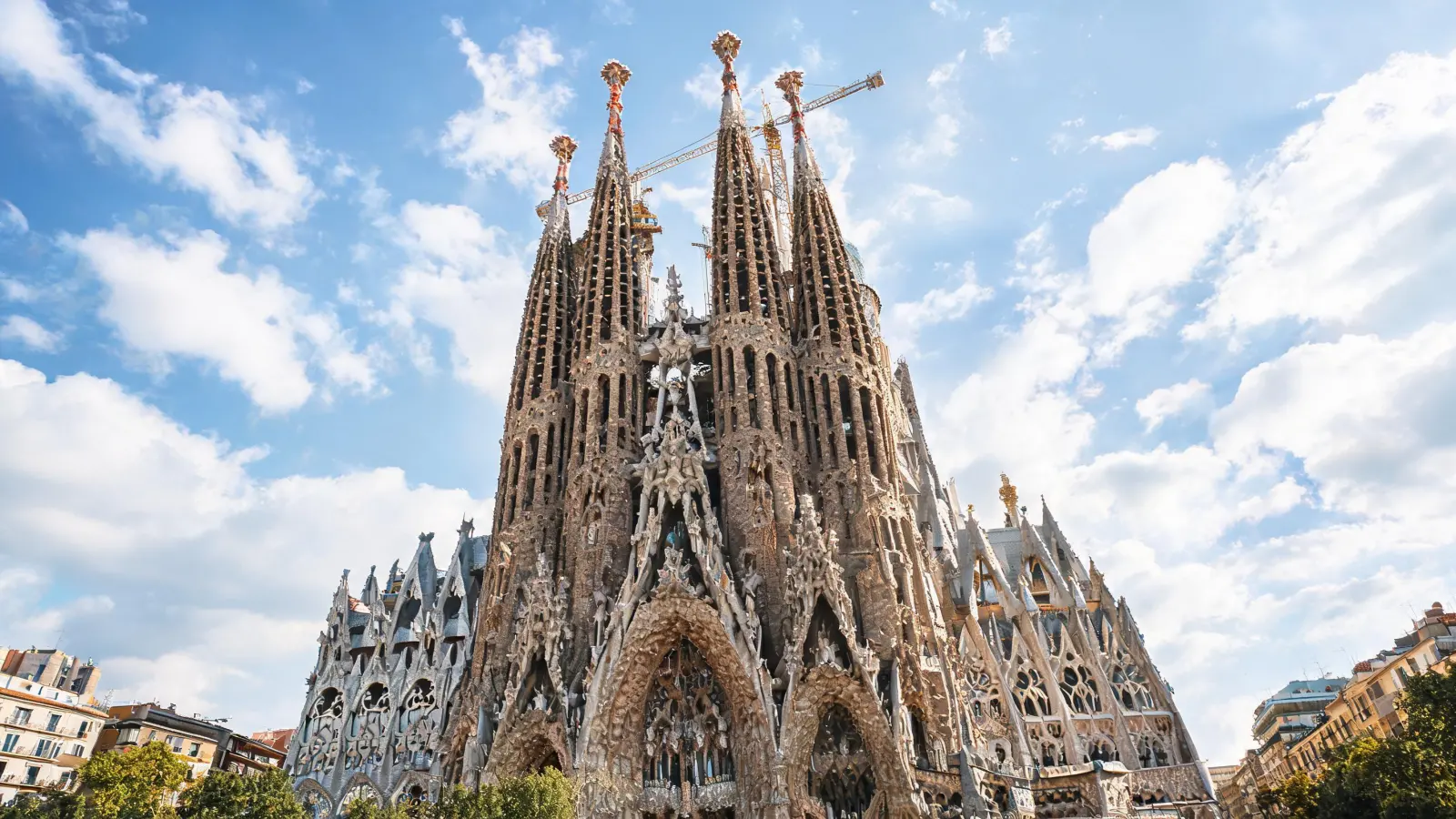
One-sentence conclusion: Barcelona is an "open-air museum of architecture you can explore on foot." In 3 days, you can absorb the highlights of Gaudí's works and the old town; in 5 days, you can slow down to enjoy the beach, museums, and nearby areas. There are really only two things to prepare in advance: book official tickets for popular attractions like the Sagrada Família ahead of time, and stay alert against pickpockets in the old town.
How many days to stay (1/3/5 days)
Barcelona's core attractions are highly concentrated within a few square kilometers of the city center, and most are accessible by metro or on foot. This makes it great for "quick photo ops" in a short time, but since Gaudí's buildings generally require queuing and reservations, taking it leisurely actually needs more time.
- 1 day (rushed/layover): Only enough for the main highlights — morning at Sagrada Família (must book in advance), afternoon in the Gothic Quarter + La Rambla + La Boqueria Market, evening to see the exterior of Casa Milà or Casa Batlló. This day will be packed, more of a "checklist" than an "experience."
- 3 days (most recommended): Gaudí buildings (Sagrada Família, Casa Milà, Casa Batlló, Park Güell) + old town (Gothic Quarter, La Rambla, market) + beach and port (Barceloneta) each take a slice; pace is comfortable, with half a day left for Montjuïc at night. Most independent travelers choose this length; it offers the best value.
- 5 days (in-depth/with seniors or kids): On top of 3 days, add Camp Nou, Palau de la Música Catalana, Picasso/Miró Museum, or take a day trip to Montserrat Monastery or Girona. Pace can be slowed to just 1–2 main attractions per day, leaving afternoons for the beach and cafés.
A practical judgment: If you're an architecture/art enthusiast, Barcelona deserves 5 days; if it's just one stop on a multi-city European tour, 3 days is the sweet spot; less than 2 days would be a shame, as queuing and transit eat up a lot of time.
Must-see attractions (by area · price range · suggested time)
The prices below are reference ranges for adult on-site tickets; always check official websites for the latest — Barcelona attractions adjust prices frequently, and official sites often offer different combo tickets (e.g., with tower access, audio guide).
Gaudí buildings (almost all require advance booking; often sold out in peak season)
- Sagrada Família: Barcelona's soul, Gaudí's unfinished masterpiece; the interior stained glass sparkles in sunlight, worth taking time to admire. Basic ticket approx €26–40 (about 200–320 RMB); combo tickets with tower access are more expensive. Must book a timed slot in advance on the official website; recommend 2 hours, choose morning or late afternoon for best light.
- Casa Batlló: Façade like waves and bones; immersive audio-visual guided tour inside is engaging. Ticket approx €35–45 (about 280–360 RMB); suggest 1–1.5 hours.
- Casa Milà / La Pedrera: Wavy stone walls and famous "warrior" chimney tops; evening light show is separate. Approx €25–40 (about 200–320 RMB); suggest 1.5 hours. Located on Passeig de Gràcia, can be visited together with Casa Batlló.
- Park Güell: Mosaic lizard, wavy benches, terrace overlooking the city. The paid "Monumental Zone" approx €10–18 (about 80–145 RMB); also timed and requires booking; the rest of the park is free. Suggest 1.5–2 hours; a bit far from city center, allow travel time.
Old town (free walking area; focus on pickpocket prevention)
- Gothic Quarter (Barri Gòtic): Medieval narrow alleys, Barcelona Cathedral, Plaça del Rei; free to wander; small fee for cathedral tower or entry. Suggest half a day.
- La Rambla: Central pedestrian boulevard through the old town; crowded, full of performers and stalls; worth walking once for atmosphere, but because of the crowds, it is the most active area for pickpockets.
- La Boqueria Market: Right off La Rambla; fresh juice, ham, seafood in abundance; free to browse, pay for what you eat. Go in the morning for freshness; near noon it's packed.
Beach and port
- Barceloneta: City beach; free entrance; surrounding seafood restaurants and seaside promenade great for an evening stroll and sunset. Note: there are also vendors and opportunistic theft on the beach; keep valuables on you.
Montjuïc / Camp Nou
- Montjuïc: Olympic venues, Miró Museum, National Art Museum of Catalonia, and Magic Fountain; cable car round trip approx €13–17 (about 105–140 RMB). Castle at the top offers excellent panoramic views of the city and harbor at night; suggest half a day.
- Camp Nou (Spotify Camp Nou) & Club Museum: FC Barcelona home stadium; a pilgrimage for fans. During renovation, opening hours and prices subject to club's official website; tickets usually approx €30–50 (about 240–400 RMB). Non-football fans can skip.
Classic itineraries (1/3/5 days)
- 1-day highlights: Morning Sagrada Família (book first slot) → walk/metro to Passeig de Gràcia to see exteriors of Casa Milà and Casa Batlló → lunch Tapas → afternoon Gothic Quarter + Cathedral → La Rambla + La Boqueria Market → evening dinner at Barceloneta beach.
- 3-day comfortable:
- Day 1 Gaudí day: Sagrada Família → Passeig de Gràcia's two houses → Park Güell for sunset.
- Day 2 Old town day: Gothic Quarter → La Boqueria Market → La Rambla → Palau de la Música Catalana → Barceloneta beach.
- Day 3 Mountain & sea day: Montjuïc (museum/castle/fountain) → cable car down → free shopping or art museum.
- 5-day in-depth: On top of 3 days, Day 4 visit Camp Nou or Picasso Museum + art district stroll; Day 5 day trip out of town (Montserrat Monastery or Girona), then return for dinner and farewell walk.
Transportation · Tickets & Costs
City transport: Metro, bus, and regional trains share the same ticket system; the best deal is T-casual — 10 single rides (Zone 1 approx €12, about 100 RMB, subject to official rates), with 90-minute transfers; ideal for individual short trips. For multiple travelers, consider multi-day passes or per-person fares. Single tickets are expensive and not recommended.
Airport to city: From Barcelona-El Prat Airport to the city center, three main options: airport express bus Aerobús (approx €6–7 one way, about 50–60 RMB, direct to Plaça de Catalunya, frequent); regional train R2 or metro L9 (cheaper but requires transfers, inconvenient with luggage); taxi (approx €30–40, about 240–320 RMB, includes airport surcharge). Choose bus or taxi if in a hurry or with lots of luggage; train if on a budget.
Ticket essentials: For Sagrada Família, Park Güell, Casa Batlló, and Casa Milà, always book timed tickets in advance on the official website; during peak season, they often sell out days or even weeks ahead. On-site windows either have no tickets or long lines. Beware of third-party platforms in search results — they often mark up prices and make changes/cancellations difficult. Stick to each attraction's official domain. Whether a city card (e.g., Barcelona Card) is worth it depends on how many paid attractions you plan to visit; for a short itinerary, buying individual tickets is cheaper.
Food & Shopping
Tapas: Barcelona's soul food; order a few to share — Iberian ham, octopus in vinegar, garlic shrimp, patatas bravas, fried green peppers. Local tradition is "stand and eat with a drink"; per person approx €15–30 (about 120–240 RMB).
Paella & Fideuà: Authentic Spanish paella actually originates from Valencia, but Barcelona's beach restaurants commonly serve it; usually minimum order for two people, takes about 20–40 minutes to prepare. Beachside specialty is Fideuà made with thin noodles instead of rice. Per person approx €20–35 (about 160–280 RMB). Avoid "tourist trap" restaurants on La Rambla with picture menus and overly aggressive staff; head into side streets or Barceloneta local spots for better quality.
Other: Churros con Chocolate for breakfast or afternoon snack; Cava sparkling wine is a local specialty worth trying.
Shopping: Passeig de Gràcia is the high-end brand and designer district; La Rambla and Plaça de Catalunya area have mainstream shopping malls. Non-EU visitors can apply for Tax Free when spending a minimum amount per store; remember to get forms stamped at the airport before departure. Note: Many shops and small eateries still observe siesta and may close in the afternoon.
Pitfall avoidance guide
- Visa: Spain is part of the Schengen Area; Chinese passport holders need to apply for a Schengen visa in advance, with documents including itinerary, hotel, flight, insurance, and proof of funds. Allow sufficient processing time, especially during peak season. Always refer to the latest requirements from the embassy/consulate or official visa center.
- Pickpockets are the top risk: La Rambla, metro, La Boqueria Market, and the beach are hotspots. Keep your backpack in front, phone in hand, be wary of people asking for directions/offering flowers/splashing things to distract you; separate ID and large cash. This is the most common travel complaint in Barcelona; proactive prevention usually avoids it.
- Siesta & opening hours: Some small shops and family restaurants close in the afternoon; dinner typically doesn't start until 8 PM; don't follow home-country meal times or you'll find places closed or go hungry.
- Reservations everywhere: Not just Sagrada Família — Park Güell, popular museums, and even some restaurants require advance booking; "we'll decide when we get there" often means you won't get in that day.
- Other: Beware of restaurants on La Rambla with picture menus and "free gift then ask for money" scams; free trials/photos at the beach or attractions usually come with a charge; watch for traffic congestion on FC Barcelona home match days.
Should you hire a Chinese-speaking guide / private driver?
Barcelona's city-center attractions are concentrated and the metro is convenient; pure city sightseeing is perfectly doable independently. However, in the following situations, a Chinese-speaking guide or private driver significantly improves the experience:
- Traveling with seniors/children or with lots of luggage: Private car point-to-point transfer avoids metro changes and long walks, also reduces pickpocket risk.
- Day trips outside the city: Montserrat, Girona, Dalí's town, etc., involve complicated public transport transfers; private car with Chinese-speaking driver-guide makes it smoother.
- Want to understand the stories behind Gaudí's architecture: A local Chinese-speaking guide can explain architecture, history, and Catalan culture in depth, much more valuable than a quick glance.
- Language barriers or unexpected situations: Seeing a doctor, changing tickets, finding authentic local restaurants — having someone who knows Chinese and is familiar with the area brings peace of mind.
When you need to find someone, instead of relying on group chats, use a transparent matching platform. Didijiexia is a bid-based Chinese-speaking guide matching platform: you post your travel needs (dates, group size, places you want to go), and local Chinese-speaking guides, driver-guides, interpreters actively "bid" for your task. You compare their qualifications, real reviews, and prices before deciding. Before confirmation, they cannot see your contact info or private details; communication and price comparison happen within the platform. It's more controllable and easier to compare than relying on referrals from acquaintances.
FAQ
Q1: Do I absolutely need to book Sagrada Família in advance? Can I buy tickets on site?
Strongly recommend booking a timed slot on the official website in advance. During peak season, on-site tickets are often sold out or have long lines; you may not get in if you just show up. Also, the official website is the safest channel; third-party platforms often mark up prices and make changes/refunds difficult.
Q2: How safe is Barcelona really?
Violent crime is rare; the main risk is pickpocketing, concentrated on La Rambla, metro, markets, and the beach. If you take precautions (bag in front, don't flash valuables, be wary of distractions), it's generally a safe city for independent travel.
Q3: What is the best time to visit?
May–June and September–October have pleasant weather and relatively fewer crowds, offering the best experience. July–August is hot with the most tourists, increasing queues and pickpocket activity. Winter is low season with cheaper prices but some beach activities are limited. Choose based on your itinerary and budget.