
Overview and Best Seasons
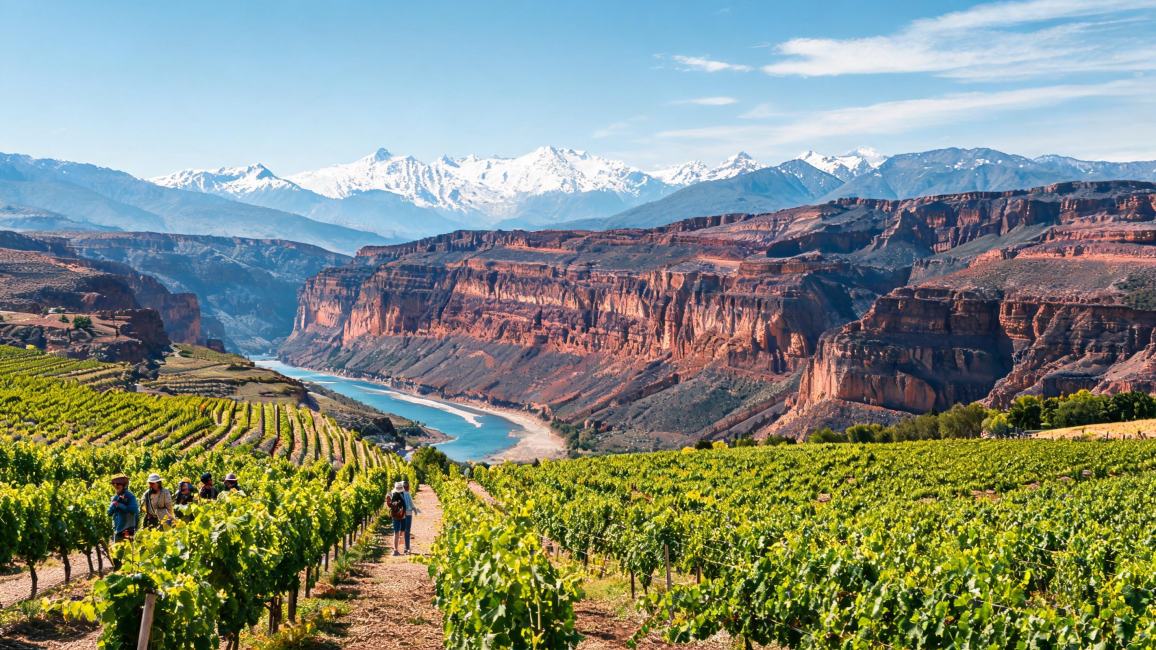
San Rafael is located in the southern part of Mendoza Province, Argentina, on the eastern foothills of the Andes Mountains. It is renowned for its grape cultivation, wine production, and stunning natural landscapes. With an average annual rainfall of only 200 millimeters and a temperature difference of over 15°C between day and night, the unique climate has nurtured high-quality grape varieties such as Malbec and Chenin Blanc, making it one of Argentina's five major wine-producing regions. Additionally, San Rafael hosted a stage of the Dakar Rally, and its geological features along an active seismic zone add to its appeal for adventure enthusiasts.
The best travel seasons are spring (September-November) and autumn (March-May): Spring brings blooming flowers, while autumn sees grapes ripening, with many wineries opening for tastings. Summer (December-February) is peak tourist season but can be quite hot, ideal for water activities. Winter (June-August) is cold, perfect for skiing enthusiasts exploring nearby ski resorts.
Arrival and Transportation within the City
External Transportation
- Air Travel: San Rafael does not have an airport, so travelers must first fly to Mendoza International Airport (MDZ), then take a car for 2.5 hours to reach the city center. Domestic flights within Argentina often connect Buenos Aires to Mendoza.
- Land Travel: Two provincial highways and one railway branch line connect San Rafael within Mendoza Province. Driving or taking long-distance buses are common options. The drive from Buenos Aires to San Rafael takes about 14 hours by car, and it is recommended to break the journey into segments.
City Transportation
- Private Car/Driving Yourself: Since attractions are spread out, it is recommended to book private car services through a certified local tour operator platform, HeraGuide. The platform offers both competitive bidding and fixed-price options, with drivers who also serve as guides providing in-depth explanations about vineyard history and geological knowledge.
- Public Transportation: Buses cover major areas of the city, but schedules are infrequent. For visits to remote wineries or natural reserves, it is advisable to check timetables in advance.
Must-Experience Attractions
Vineyard Cultural Core Area
- Modern Winery Cluster: Over 30 wineries in the city use drip irrigation techniques. It is recommended to visit Bodega Familia Zuccardi, which accounts for 40% of Mendoza Province's Chenin Blanc production. Experience blending processes and taste balanced wines made from Malbec and high-acid grapes.
- Colonial-era Winery Estates: Such as Casa de Gobierno Viejas Bodegas, which retains 19th-century French oak barrels and underground cellars. Nighttime often features tango performances.
Nature and Adventure
- Diamante Lake Natural Reserve: Hike to the lakeside to observe birds or take a boat tour to explore volcanic rock formations. In spring, wildflowers bloom around the lake.
- Atuel Canyon: A stage of the Dakar Rally, offering canyon穿越 tours and off-road vehicle adventures in the desert. Summer water temperatures are suitable for rafting.
- Los Reyunos Dam: A summer water sports hub, offering kayaking and fishing activities. Nearby campsites provide opportunities to stargaze.
Geology and History
- Earthquake Heritage Exploration: The 4.7 magnitude earthquake in 2010 caused cracks in city buildings. Visitors can explore the Earthquake Museum to learn about the impact of the Andean orogeny.
- Benito Ruiz Park: A green oasis in the city, featuring indigenous cultural sculptures and an earthquake monument. Ideal for morning walks.
Local Cuisine
San Rafael cuisine blends Andean flavors with European traditions:
- Empanadas: Beef or cheese-filled baked pastries. Recommended at El Portal de San Rafael restaurant, especially their smoked chili variety.
- Asado Barbecue: Must-try Mendoza grass-fed beef, paired with local Malbec wine. Don Tomás barbecue restaurant is famous for slow-cooking over charcoal.
- Dulce de Leche: Caramelized milk sauce, best enjoyed with Alfajores cookies. Handmade versions are available at the Feria Artesanal market.
Recommended Accommodation Areas
- City Center (Centro): Convenient access to wineries and restaurants. Recommended: Hotel Tower Inn & Suites (rated 9.1, with pool and spa) or budget-friendly Amadues Hostel.
- Vineyard Area (Viñedos): Experience staying at a winery, such as Martyniuk Lodges Entre Viñedos, where rooms overlook vineyards and offer grape-picking activities.
- Atuel Canyon Area: Ideal for adventure seekers. Choose Complejo del Sol y Valle cabins, which are within walking distance of canyon trails.
3-Day Itinerary Suggestion
Day 1: Wine Culture Day
- Morning: Visit Bodega Familia Zuccardi winery to learn about drip irrigation techniques and blending processes.
- Afternoon: Explore colonial-era estates + tango performance, followed by dinner featuring Asado barbecue.
- Night: Take a stroll in Benito Ruiz Park and enjoy stargazing.
Day 2: Nature Adventure Day
- Morning: Off-road vehicle adventure in Atuel Canyon, with a picnic lunch at a canyon campsite.
- Afternoon: Hike or kayak at Diamante Lake, returning to the city in the evening for wine tasting.
Day 3: Geology and Leisure Day
- Morning: Visit the Earthquake Museum to learn about the Andes' geology, then see the earthquake monument.
- Afternoon: Enjoy water activities at Los Reyunos Dam, followed by dinner featuring Empanadas paired with Malbec wine.
Budget and Tips to Avoid Pitfalls
- Budget Reference: A mid-range trip costs approximately 800-1200 RMB per day (including accommodation, private car, and meals). High-end winery experiences may increase costs by up to 30%.
- Tips to Avoid Pitfalls:
- During summer (December-February), wine tastings at wineries require advance reservations to avoid crowds.
- For canyon adventures, it is recommended to book certified guides through HeraGuide to ensure safety equipment is complete.
- In seismically active areas, avoid camping at unqualified sites; opt for official campsites in the city or near tourist attractions instead.