






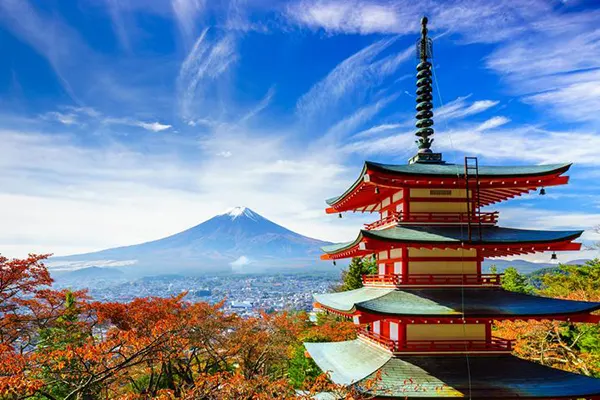
Tokyo is less a single city than a constellation of towns stitched together by one of the world's most reliable transit systems. You can start the morning at a centuries-old temple in Asakusa, lunch on ramen in a basement counter, browse contemporary art in Roppongi, and end the night in a tiny golden-gai bar in Shinjuku — all without touching a taxi.
The scale can feel intimidating on paper, but day-to-day travel is straightforward once you pick a few anchor neighborhoods. This guide covers what is worth your time, how to get around, when to go, a sample itinerary, and how a local guide helps you skip queues and language friction.
Why visit Tokyo
Tokyo combines safety, efficiency, and depth in a way few megacities match. Michelin-starred dining sits next to ¥800 lunch sets; hyper-modern architecture frames pocket shrines; and seasonal rituals — cherry blossoms, summer festivals, autumn foliage — give repeat visitors a reason to return.
It is also an excellent hub for wider Japan. High-speed rail puts Kyoto, Osaka, and Hakone within easy reach, so many travelers use Tokyo as the first or last stop on a longer trip.
Top things to do in Tokyo
- Senso-ji (Asakusa): Tokyo's oldest temple precinct, best early before tour groups fill Nakamise shopping street.
- Shibuya Crossing & Hachiko: Iconic scramble intersection; nearby Shibuya Sky offers panoramic views.
- Meiji Jingu & Harajuku: Forested shrine contrasted with youth fashion and crepe shops.
- teamLab Planets or teamLab Borderless: Immersive digital art — book timed tickets ahead.
- Tsukiji Outer Market or Toyosu: Seafood breakfasts and kitchen-supply browsing (inner tuna auctions require advance registration at Toyosu).
- Day trip — Nikko or Kamakura: Ornate shrines or coastal Great Buddha within roughly 90 minutes by train.
Getting around Tokyo
Subway and JR lines cover almost everything tourists need. Pick up a rechargeable Suica or Pasmo card at the airport or major stations for tap-and-go fares. Google Maps and Japan Transit Planner work well for routing; platforms are signed in English at central stations.
Walking between nearby sights often beats transferring lines twice. Taxis are clean but pricey; use them late at night or for door-to-door with luggage. For day trips, reserved seats on JR or private railways are worth booking in peak seasons.
Best time to visit Tokyo
Spring (late March–April) brings cherry blossoms — stunning but crowded; book hotels early. Autumn (November) offers crisp air and maple color with slightly thinner crowds. Winter is dry and mild by northern-city standards, with clear views from observation decks.
Summer is hot, humid, and lively with festivals, but outdoor sightseeing can be draining. Golden Week (late April–early May) and New Year see heavy domestic travel; museums and some restaurants close briefly around January 1.
Sample 4-day Tokyo itinerary
Day 1 — East classic: Asakusa and Senso-ji, Sumida River walk, Tokyo Skytree or cruise, dinner in Ueno or Ryogoku (sumo district).
Day 2 — West culture: Meiji Jingu, Harajuku, Omotesando, Shibuya crossing and evening in Ebisu or Nakameguro.
Day 3 — Central & art: Imperial Palace East Gardens, Ginza or Marunouchi architecture, teamLab or a museum in Roppongi.
Day 4 — Your choice: Nikko day trip, Odaiba waterfront, or deep dive into one favorite ward with a Tokyo local guide.
Where to stay
Shinjuku suits first-timers who want 24/7 energy and direct airport limousine buses. Shibuya is youthful and well connected. Tokyo Station / Marunouchi puts you on the bullet-train map. Asakusa feels more traditional and can be quieter at night. Business hotels are compact but spotless; check luggage storage if rooms are small.
Explore Tokyo with a local guide
Tokyo's best experiences — a specific sushi counter, a craftsman's workshop, a festival side street — often sit behind language and unmarked doors. A private English-speaking guide helps with reservations, subway etiquette, and pacing so you are not bouncing across the map.
Browse verified Tokyo guides on HeroGuide, or post your trip for free and compare bids from locals who know the neighborhoods you care about.
Tokyo Travel FAQ
How many days do you need in Tokyo?
Four full days is a solid minimum for major neighborhoods plus one day trip. A week lets you slow down, revisit favorites, and explore suburbs like Kawaguchi or Yokohama without rushing.
Is Tokyo easy for English-only speakers?
Transit and major sights are well signed in English. Restaurants vary — picture menus and translation apps help. A local guide bridges the gap for food bookings and niche museums.
Should I get a JR Pass for Tokyo only?
Usually no. A Suica/Pasmo card plus single tickets or a short metro pass fits city stays better. JR Pass math only works when you add long-distance bullet trains.
What is the best area to stay for first-time visitors?
Shinjuku, Shibuya, or near Tokyo Station offer transit links in all directions and plenty of dining. Asakusa is charming if you prefer temples over nightlife.
When is cherry blossom season in Tokyo?
Peak bloom typically falls in late March to early April, but dates shift yearly. Follow official forecasts and book hotels months ahead for that window.
Verified traveler feedback · Tokyo
Original reviews from Taobao / Fliggy / Xianyu / Fiverr / Trustpilot, with screenshots and shop links.
No city-tagged reviews yet — see platform feedback for other destinations.
Explore Tokyo with a trusted local
Message us on WhatsApp with your dates and interests in Tokyo. We'll match you with a verified local guide who handles language, tickets and transport.