





Kyoto is the Japan of imagination: vermilion torii tunnels at Fushimi Inari, golden pavilion reflections, geisha glimpses in Gion, and tea ceremonies in machiya townhouses. It is also a living city with universities, craft studios, and neighborhoods that reward slow walks away from the top ten list.
Crowds concentrate at midday on famous slopes; mornings and evenings reveal a different rhythm. This guide helps you sequence sights, respect cultural norms, choose seasons, and use a local guide when reservations and routing get tricky.
Kyoto buses announce stops in English but rush-hour crush can surprise — allow buffer time between temple slots. Photography bans apply in some inner halls even when courtyards allow phones; watch for signage with camera icons crossed out.
Why visit Kyoto
No other city in Japan preserves this density of UNESCO-listed temples, gardens, and festivals. Seasonal beauty — cherry blossoms, autumn maples, summer fire rituals — is woven into daily life, not just postcard backdrops.
Kyoto pairs naturally with Osaka and Nara on a Kansai trip, and its craft heritage (textiles, ceramics, wagashi sweets) gives shoppers and makers a reason to linger beyond temple hopping.
Top things to do in Kyoto
- Fushimi Inari Taisha: Thousands of torii gates; hike higher for thinner crowds.
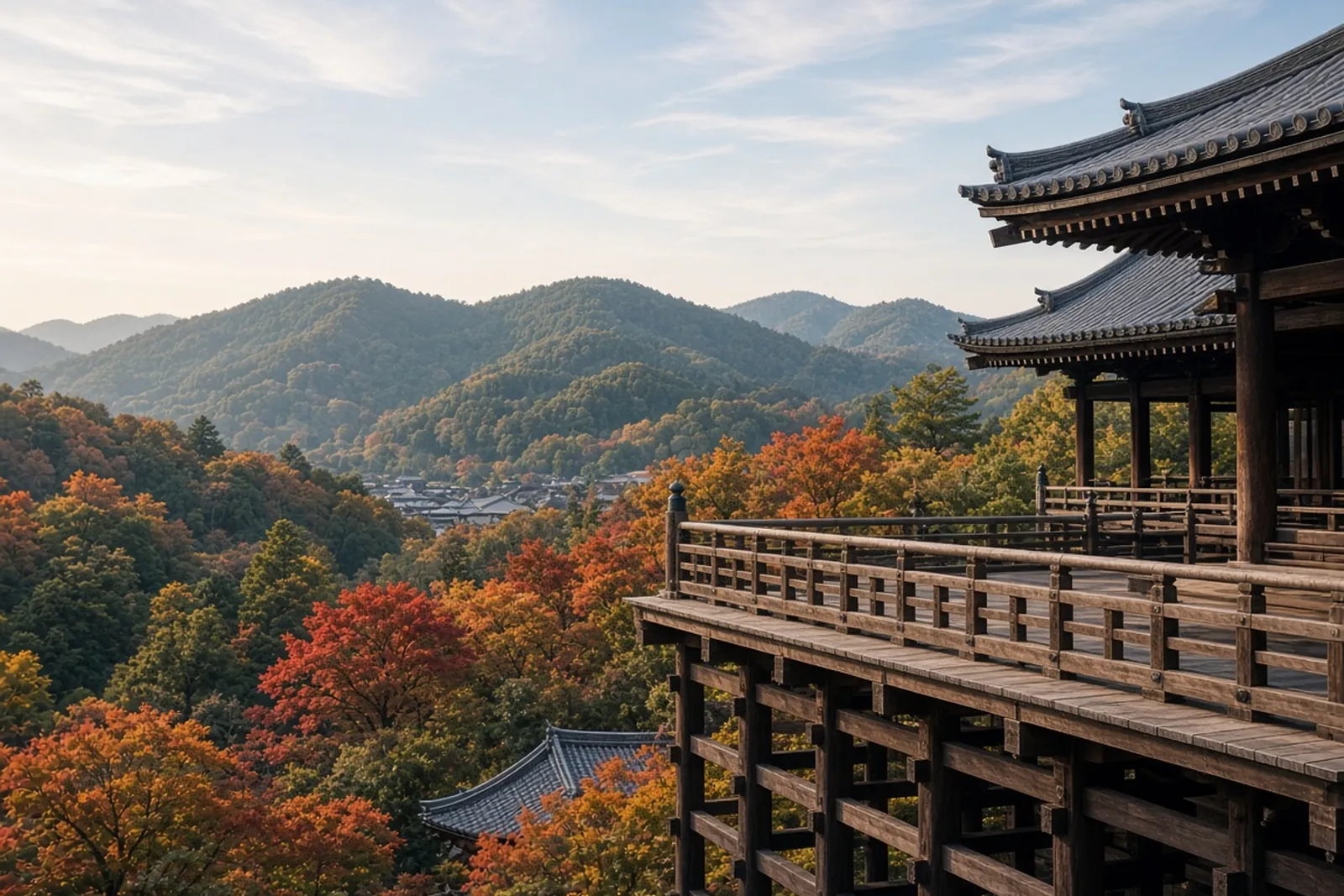
- Kiyomizu-dera & Higashiyama: Wooden stage views and preserved lanes — visit at opening time.
- Arashiyama: Bamboo grove (go early), river scenery, Tenryu-ji garden.
- Kinkaku-ji & Ryoan-ji: Golden Pavilion and Zen rock garden in one northern loop.
- Gion & Pontocho: Evening strolls; never block geiko or maiko for photos.
- Nishiki Market: "Kyoto's kitchen" for pickles, tofu, and street bites.
Getting around Kyoto
Buses cover most sights but can jam in peak season; consider a one-day bus pass if you ride often. Subways link north-south corridors; JR reaches Arashiyama and Fushimi Inari. Many travelers combine IC cards with occasional taxis for late nights.
Cycling is popular in flat areas — rent near Kyoto Station with caution in traffic. For rural temples like Daigo-ji or Kurama, allow extra time or join a guided day.
Best time to visit Kyoto
Late March–April and November are peak for blossoms and fall color — stunning but busy; book lodging months ahead. May and October balance weather and slightly lighter foot traffic.
Summer hosts Gion Matsuri in July — spectacular but crowded and humid. Winter is quiet; occasional snow on temple roofs is magical for photographers willing to brave cold.
Sample 3-day Kyoto itinerary
Day 1 — East: Fushimi Inari at dawn, Kiyomizu-dera, Ninenzaka/Sannenzaka, Yasaka Shrine, evening Gion.
Day 2 — West: Arashiyama bamboo and temples, optional monkey park, dinner in Pontocho.
Day 3 — North or depth: Kinkaku-ji, Ryoan-ji, Nishiki Market lunch, or a tea ceremony with a Kyoto guide.
Practical tips for first-time visitors
Wear slip-on shoes for temples that require shoe removal repeatedly in one day. Gion signs ask visitors to avoid private alleyways — stick to public streets and never enter teahouse doors uninvited. Coin lockers at Kyoto Station handle large suitcases if you arrive before check-in.
Special night illuminations in autumn sell separate tickets — verify official temple websites rather than third-party scalpers. Taxis are reasonable for groups after buses stop; have your ryokan address printed in Japanese for drivers.
Explore Kyoto with a local guide
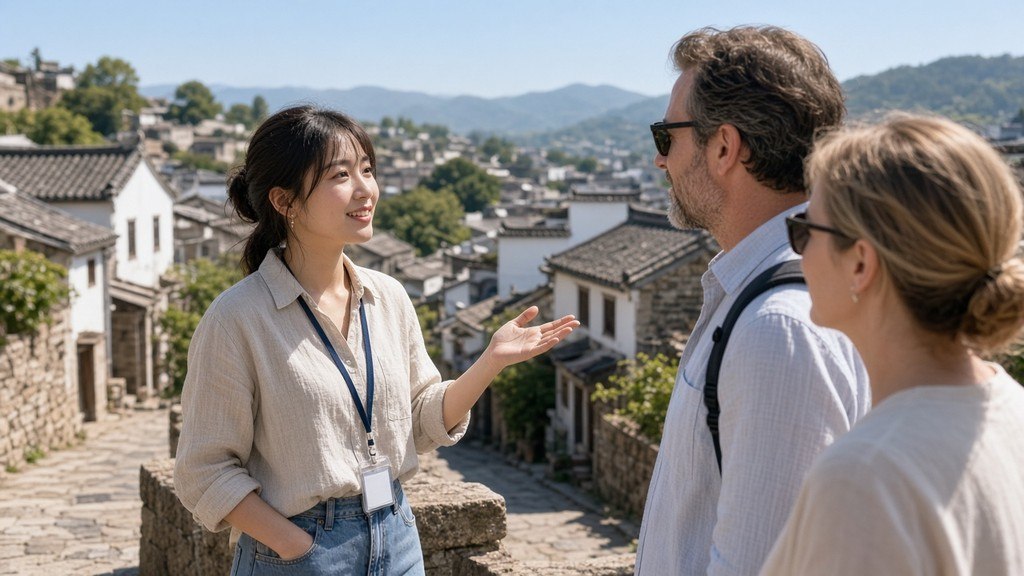
Tea houses, kaiseki reservations, and temple subtleties benefit from insider knowledge. Guides also route you away from bus bottlenecks and explain photography etiquette in sacred spaces.
See Kyoto guides on HeroGuide or post your itinerary to receive tailored bids from verified locals.
Kyoto Travel FAQ
Can you still see geisha in Gion?
You may glimpse geiko or maiko moving between appointments at dusk. Do not chase or grab photos without permission; harassment has led to stricter rules.
How early should I arrive at Fushimi Inari?
Before 8 a.m. on weekdays for a calmer ascent through the lower torii tunnels.
How many days for Kyoto?
Three days covers major east-west-north highlights; four or five lets you add Uji, Nara side trips, or craft workshops.
Is Kyoto walkable?
Higashiyama and Gion reward walking, but many temples spread across valleys — mix walking with buses or a guide's car.
Do I need reservations for tea ceremony?
Recommended for small authentic sessions. A local guide often arranges reputable hosts and explains customs beforehand.
Verified traveler feedback · Kyoto
Original reviews from Taobao / Fliggy / Xianyu / Fiverr / Trustpilot, with screenshots and shop links.
No city-tagged reviews yet — see platform feedback for other destinations.
Explore Kyoto with a trusted local
Message us on WhatsApp with your dates and interests in Kyoto. We'll match you with a verified local guide who handles language, tickets and transport.