






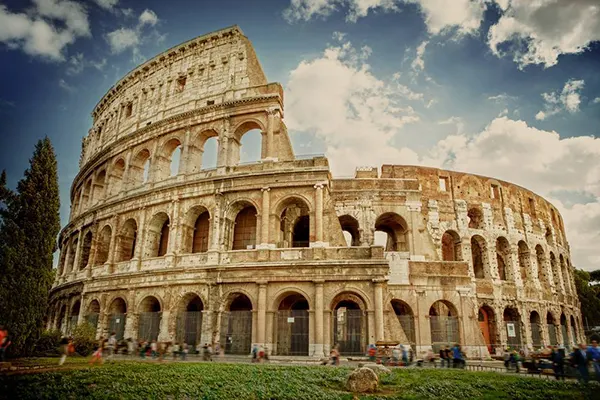
Rome is an open-air archive: Colosseum arches, Forum ruins, baroque fountains, and Vatican splendor within walking distance — if your feet cooperate. Modern life weaves through it with espresso at zinc bars and nonna recipes in trattorias that look unchanged since the 1970s.
Heat, pickpockets, and sold-out monuments punish the unprepared. This guide sequences sights, covers transit limits, names better seasons, sketches a first-timer itinerary, and explains when guides save hours at the Vatican and Forum combined tickets.
Coperto (cover charge) on restaurant bills is normal — not a scam. Drink espresso standing at the bar for local prices.
Why visit Rome
Rome is essential for anyone curious about Western history, art, and Catholic heritage. A single trip can span gladiator stories, Michelangelo ceilings, and aperitivo on cobblestones. Food alone — cacio e pepe, supplì, gelato — justifies the flight.
High-speed rail connects Florence and Naples for longer Italy loops anchored here.
Top things to do in Rome
- Colosseum, Forum & Palatine: Single timed ticket — arrive slot punctual.
- Vatican Museums & Sistine Chapel: Book early entry or Friday night openings in season.
- St. Peter's Basilica: Free entry; dome climb extra — dress code enforced.
- Trevi Fountain & Pantheon: Go at dawn for photos without shoulder crowds.
- Trastevere & Testaccio: Evening meals away from tourist traps near Termini.
- Day trip — Ostia Antica or Tivoli: Roman port ruins or Villa d'Este fountains.
Getting around Rome
Metro lines A and B hit Vatican and Colosseum but miss much of the centro storico — walking plus occasional bus is normal. Tickets validate on buses; buy at tabacchi. Taxis use official white cars; Uber operates with limitations.
Cobblestones destroy thin soles — pack supportive shoes. Driving in the center frustrates even locals.
Best time to visit Rome
April–May and October offer warm days and manageable crowds. Summer is hot and packed; siesta hours close shops midday. Winter is milder than northern Europe with shorter lines.
Easter and papal events draw pilgrims — book lodging far ahead if visiting during Holy Week.
Sample 4-day Rome itinerary
Day 1: Colosseum/Forum block, Capitoline Hill viewpoint.
Day 2: Vatican morning, Castel Sant'Angelo walk, Prati dinner.
Day 3: Pantheon, Piazza Navona, Campo de' Fiori market, Trastevere night.
Day 4: Borghese Gallery (reserved) or food tour with a Rome guide.
Practical tips for first-time visitors
Fountain coin tosses fund charity — use small change, not big notes. Street rose sellers near Spanish Steps are persistent — a firm no grazie suffices. August heat closes some family-run shops; major sites stay open with water refill points at fountains (nasoni).
Validate bus tickets in machines onboard — inspectors fine tourists who forget.
Explore Rome with a local guide
Combined tickets, skip-the-line partnerships, and trattoria recommendations separate smooth trips from exhausting ones. Guides narrate Forum ruins that otherwise look like rubble piles.
See Rome guides on HeroGuide or post your Italy dates for verified bids.
Rome Travel FAQ
Colosseum underground worth it?
If available on your date, yes — limited groups see arena floor and hypogeum; book official site only.
How dress for Vatican?
Shoulders and knees covered; remove hats. Security is strict — no large bags.
How many days in Rome?
At least four for major monuments; five or six with day trips and slower food focus.
Is Rome tap water safe?
Yes — use nasoni public fountains for refills; restaurants serve still or sparkling bottled by default.
Verified traveler feedback · Rome
Original reviews from Taobao / Fliggy / Xianyu / Fiverr / Trustpilot, with screenshots and shop links.
No city-tagged reviews yet — see platform feedback for other destinations.
Explore Rome with a trusted local
Message us on WhatsApp with your dates and interests in Rome. We'll match you with a verified local guide who handles language, tickets and transport.